
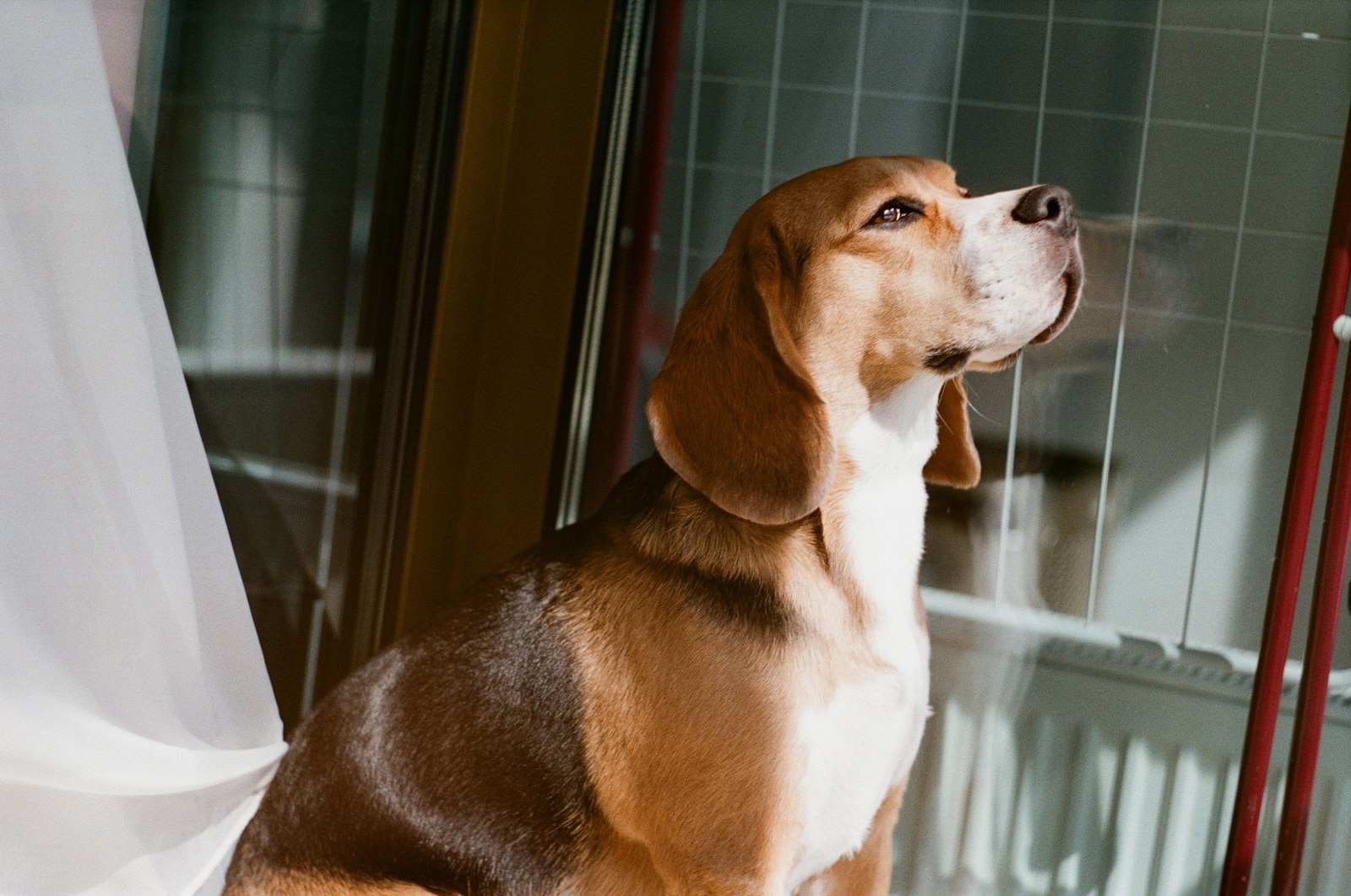
More dogs go missing around fireworks because the noise triggers a genuine flight panic — not disobedience, not curiosity, but a survival response. A dog who is calm on the couch in October can bolt through a screen door in July when a boom shakes the windows, dig under a fence she has ignored for years, or slip a collar she has never challenged before.
Why Fireworks Hit Dogs So Hard
Dogs hear far more than we do, and fireworks are unpredictable in a way thunder rarely is. There is no building pattern, no rain to warn them, just sudden concussions, high-pitched whistles, and flashes that light up the whole yard. For a sound-sensitive dog, each blast can feel like a threat that is getting closer, not farther away.
Breed and temperament matter, but no dog is immune. Herding breeds who are wired to notice every change, rescue dogs with an unknown history, puppies in a fear period, and seniors with aching joints can all react strongly. Even a confident Labrador who loves hunting sounds may panic when the booms come from every direction at once and there is nowhere that feels quiet.
The escape itself is part of the problem. A panicked dog is not thinking about home. She is thinking about away — away from the noise, at any cost. That is why dogs are found miles away, injured from jumping fences, or hiding under decks and sheds where no one thinks to look first.
How to Prepare Before the First Boom
Start a few days early, not at dusk on the night itself:
- Check every fence board, gate latch, and screen. Push on them the way a scared 60-pound dog would.
- Make sure your dog is wearing a well-fitted collar with a readable ID tag, even indoors.
- Charge your phone and save a recent, clear photo of your dog — full body, face, and any distinctive markings.
- Plan potty breaks on a leash, even in your own fenced yard. A leash is not a lack of trust; it is insurance for the one startle you cannot predict.
- Create a safe room away from windows with bedding, water, a chew, and familiar smells. Close blinds and run a fan, TV, or white noise to soften outside sounds.
If your dog has panicked badly in past years — drooling, pacing, trying to chew through doors — talk to your veterinarian well ahead of time about what support is appropriate. Do not wait until the afternoon of the event.
What to Do During the Show
Stay home if you can, or leave your dog with someone she knows in a secure house — never tied outside, never loose in a yard, and never at the fireworks display itself. Keep doors and windows closed, and be extra careful with guests coming and going. Post a simple sign on the door: dog inside, please close quickly.
If she wants to hide under the bed or in a closet, let her. Forcing cuddles or dragging her out to “face it” usually raises stress. Sit nearby, speak normally, and reward quiet moments without making calm behavior into a big production.
If Fear Wins Anyway
Search your own home and yard first — panicked dogs often hide in closets, garages, and under porches and go silent. Then expand outward on foot, calling calmly, and ask neighbors to check sheds and crawl spaces. The sooner nearby people know what your dog looks like and that she is frightened, the better your chances.
That is where preparation in KinsLe helps before panic ever starts. Set her profile up ahead of fireworks season, with a clear photo and your contact details, so nothing needs creating on the night. If your dog does get out, the Lost Pet Alert System is free in every profile and her alert shows on the map, and anyone who finds her can message you directly through the profile, rather than hoping someone scans a tag the next morning. Getting that KinsLe profile ready early means help through the Lost Pet Alert System in KinsLe is ready before the first firework sounds.