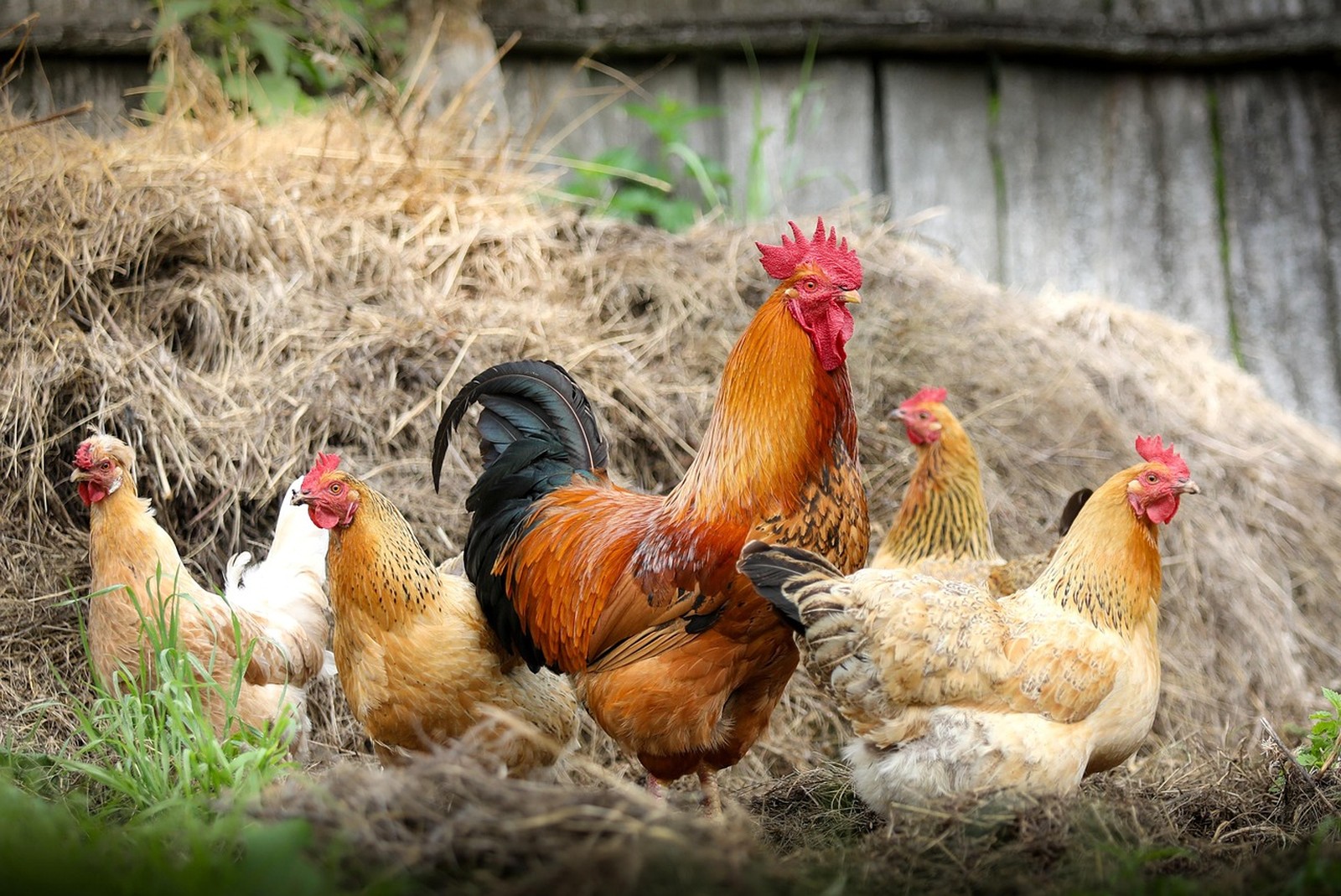
Your chickens are not being spiteful, and they are not really destroying the garden on purpose; they are doing, with great enthusiasm, exactly what chickens are built to do, and a planted bed happens to be the best place in the yard to do it. Scratching, foraging, and dust-bathing are core chicken behavior, as central to a hen's day as grazing is to a horse. Once you see the garden through a chicken's eyes, the damage stops looking random, and the fix becomes clear: redirect the behavior into a place built for it rather than fighting the behavior itself.
Why Beds Are Prime Ground
A garden bed offers a chicken three rewards in one small area. The soil is loose and worked, so a few strong scratches with those powerful feet turn up insects, worms, and fallen seeds that packed yard ground keeps hidden, which makes every bed a feeding station worth returning to. Freshly watered planting rows concentrate that food near the surface, and tender seedlings sit at exactly beak height for a curious bird sampling greens. Then there is the soil itself: dry, fine, and sun-warmed earth is perfect dust-bathing material, and a hen who finds a soft patch in a bed will dig a shallow bowl, settle in, and kick dust through her feathers with obvious contentment, uprooting everything planted around her in the process.
Redirect, Do Not Fight It
Because the drive is healthy and necessary, the workable answer is redirection. Give the flock a designated scratch and dust area inside their own space: a patch of dry, loose soil or sand in a sunny corner, refreshed and raked over regularly, ideally with a shallow pit they can shape themselves. Scatter a little grain or scratch feed into their run rather than near the garden, so foraging effort pays off in the right place, and add simple enrichment there, such as a pile of leaves, straw, or garden clippings to dismantle, a low perch, and cabbage or greens hung at beak height for supervised flocks where that suits the setup. Chickens who can scratch, hunt, and bathe properly at home range less desperately for those rewards elsewhere, and many flocks settle into the offered area as their preferred headquarters once it reliably delivers.
Barriers and Rotating Access
While the new area earns its following, protect what matters. Low barriers over prized beds, such as netting laid over hoops, wire cloches over young plants, or a simple fence the flock respects, keep hens off seedlings until plants are large enough to survive attention. Reserve free garden access for ground where damage does not matter: spent beds after harvest, rough corners, and slug-heavy patches where a flock's foraging actually helps you. Rotating access on a simple rhythm, with the flock admitted to one allowed section at a time and shut out of the rest, spreads their impact and keeps any single bed from being worked to dust. Supervised garden time after you have finished working a bed lets them clear pests and spilled seed without ever reaching the rows you are counting on.
Assign the Upkeep as Household Duties
Redirection systems fail when they depend on memory, so turn the upkeep into assigned duties for the farm household and write them down. One person checks and resets the barriers on prized beds each morning before the flock is let out, another rotates the flock's allowed section and moves the portable fencing, and another rakes and refreshes the dust area and leaf pile each week so it stays more attractive than the garden. Note which beds suffered and which barriers held, because that small log tells you where to strengthen protection next season. Shared this way, the work stays light, the flock keeps its natural behavior, and the garden survives to be harvested by the species it was planted for.
Organized through KinsLe, Care Teams list who resets barriers, who rotates flock access, and who refreshes the dust area each week.