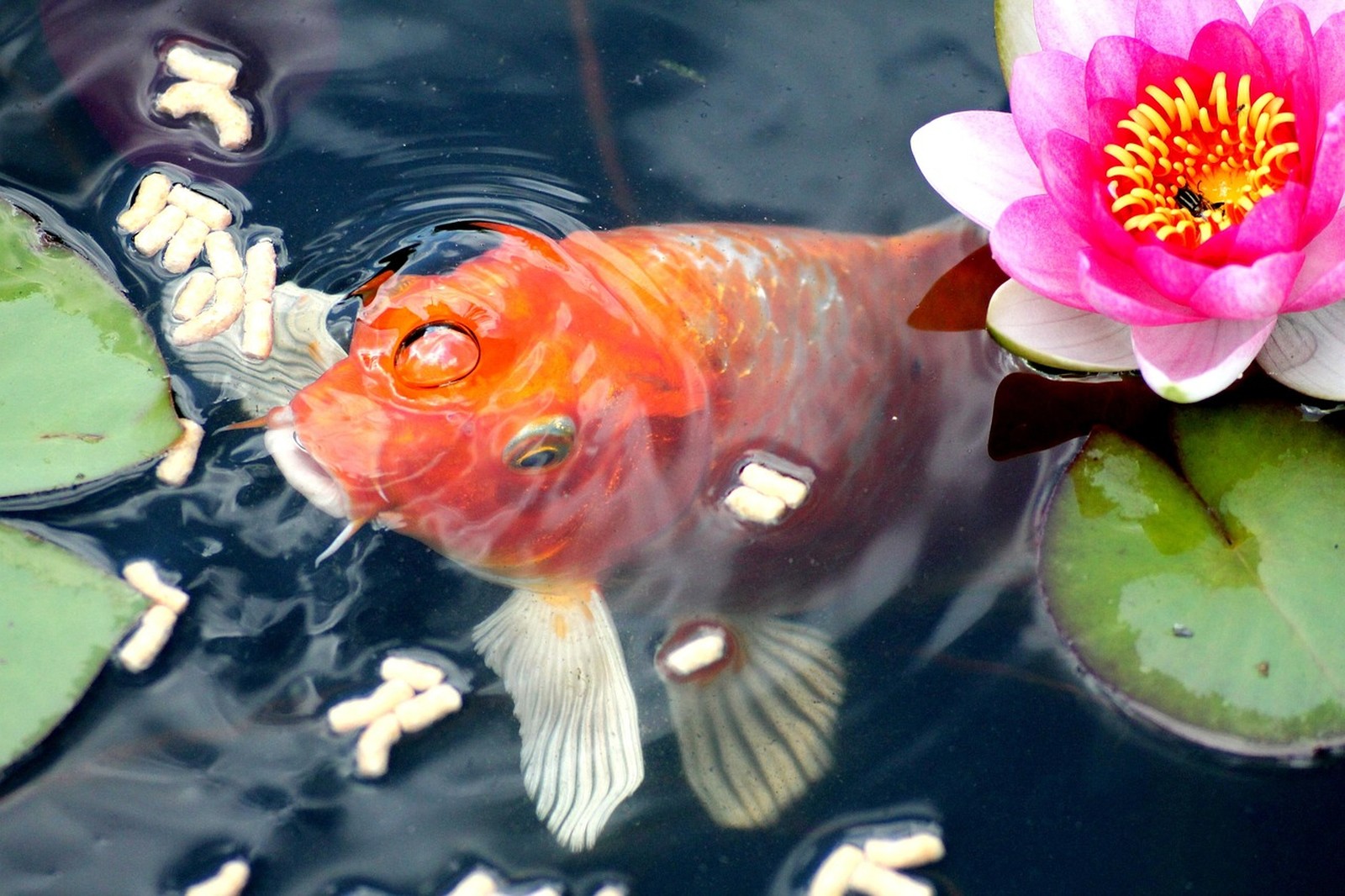
A fish that takes a pellet, rolls it in its mouth and spits it out is giving you information, not being difficult. Fish cannot chew the way land animals do, and many species can only manage pieces that fit comfortably through the mouth and throat. When a piece is too big, too hard or simply not recognised as food, spitting it out is the normal way to reject it or to work on it until it softens.
Size and Hardness: Check the Piece First
Dry pellets and flakes are harder than they look. A small tetra, rasbora or young cichlid may mouth a pellet several times because each pass softens and breaks it a little. If the pellet comes out whole every time and the fish eventually gives up, the piece is too large for that mouth. Crush pellets between two spoons for small fish, choose a smaller pellet size, or pre-soak dry food in a little tank water for a minute or two so it reaches the fish already softened. Pre-soaking also helps greedy surface feeders, and freeze-dried foods benefit from the same brief soak.
Taste, Freshness and Simple Overfeeding
Fish learn flavours, and an unfamiliar new food is often spat out on the first few offerings even when it suits the species well. Mix a little of the new food with the familiar one and increase the share gradually over several days rather than switching in a single meal. Food that has sat open for months, absorbed damp air, or lost its smell is also commonly rejected, so store it sealed, cool and dry, and replace opened dry food regularly rather than working through a stale container. Overfeeding produces a different pattern: the fish eats eagerly at first, then mouths and drops later pieces because it is full. Feed only what the tank clears in a couple of minutes, remove what is left, and remember that a spat-out third helping usually means the first two were enough.
When the Water Is Part of the Problem
Appetite is sensitive to water quality, and a fish living with rising ammonia, nitrite or the wrong temperature often feeds half-heartedly before it shows clearer signs of trouble. If spitting is new and several fish are doing it, test the water before you change the menu: check ammonia, nitrite, nitrate, pH and temperature, and compare the results with what your species should have. Correct the water gradually with conditioned water changes rather than a single large change, then watch whether normal feeding returns.
Signs the Mouth or Throat Needs Attention
Spitting that happens with every food, even small soft pieces, points away from fussiness. Watch for a fish that tries to eat but cannot hold food, food falling from one side of the mouth, visible swelling, white patches, frayed lips, or a fish that has stopped eating altogether. Clamped fins, hiding, rapid gill movement or weight loss alongside spitting are reasons to seek advice from an aquatic veterinarian promptly rather than trying more foods. Do not probe inside a small fish's mouth yourself, because handling can injure delicate tissue.
A Short Feeding Check to Work Through
Start with one meal and change only one thing at a time. Offer a smaller or pre-soaked piece and watch whether it is eaten after one or two mouthings, which tells you size or hardness was the issue. If soft, small food is still rejected, check the food's age and smell, then test the water the same day. Note which species spits and which eats normally, because a single fussy fish in an otherwise eager tank is a different problem from a whole tank feeding poorly. Keeping those meal-by-meal notes in KinsLe's Care Teams, where each feeding duty is marked complete with a timestamp, lets everyone in the household compare the same record instead of guessing from memory.