
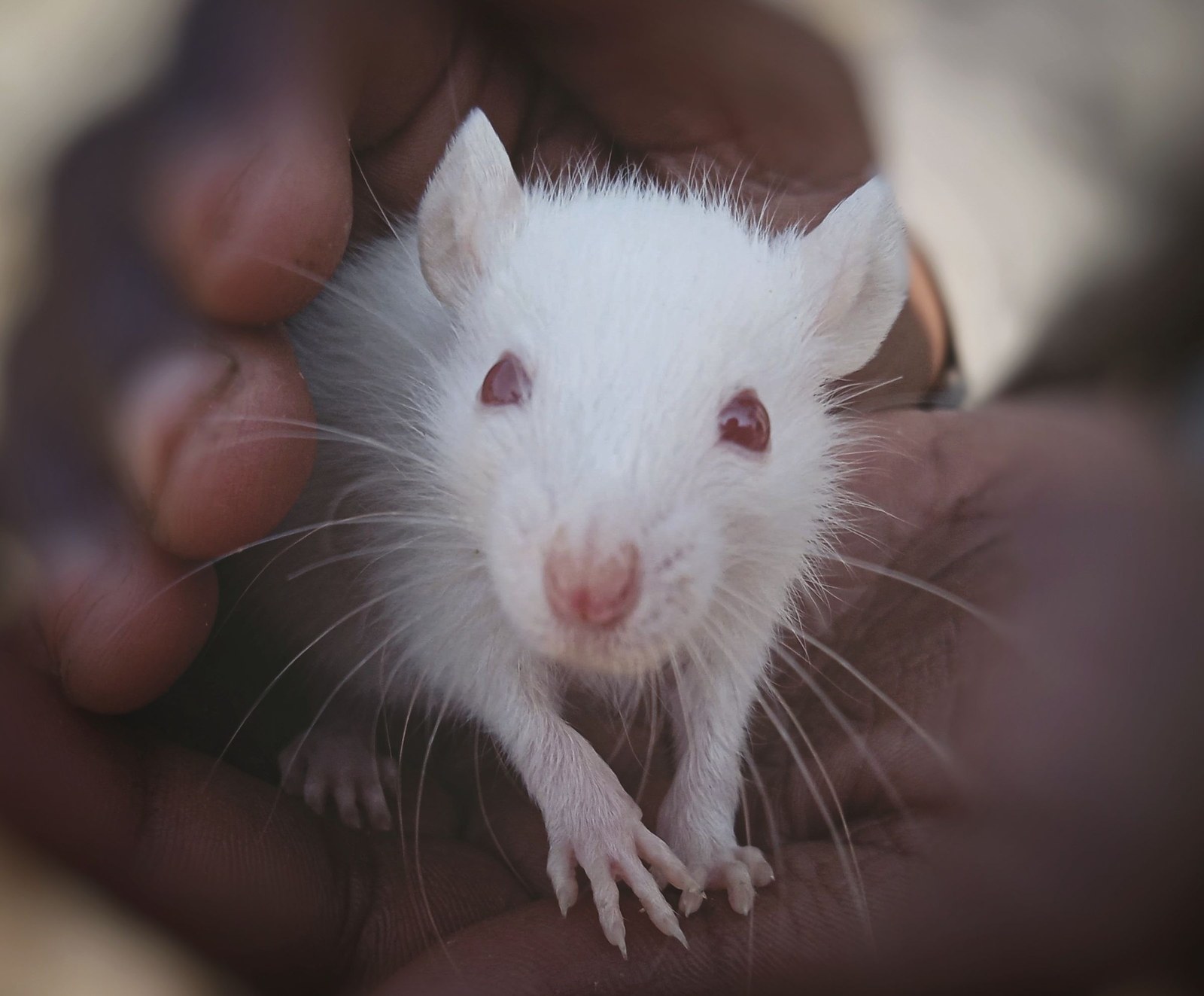
That teeth chattering is called bruxing, and in a relaxed rat it is often a sign of contentment — a bit like a cat's purr. When a rat is very relaxed and happy, bruxing can pair with eye boggling, where the eyes gently vibrate or bulge in and out, which looks strange the first time you see it but usually means your rat feels wonderful.
What Is Happening During Bruxing and Boggling?
Rats' front teeth grow continuously, and bruxing — grinding the upper and lower incisors together — helps keep them worn and aligned. Rats brux for practical reasons, but they also do it when they are feeling emotional, which is why context is everything.
Eye boggling happens because the jaw muscles involved in vigorous, happy bruxing connect near the eye sockets. When a contented rat bruxes hard enough on your lap, those muscles flex in a way that makes the eyes pulse gently. It tends to happen in waves: bruxing starts softly, the body melts a little flatter, the ears relax, and then the boggling appears for a few seconds at a time.
You will most often see the happy version in situations like these:
- Curled on your lap, shoulder, or chest during quiet handling
- Being gently stroked in a favorite spot
- Settling into a hammock with cage mates after playtime
- Exploring a free-roam session and pausing to groom near you
A loose, soft body, slow breathing, bruxing that comes and goes, and a rat who chooses to stay close are all green lights.
When Chattering Means Something Different
Context matters because rats also chatter when stressed, in pain, territorial, or unwell. A rat who bruxes with a tense, puffed-up body, pinned ears, a stiff tail, huffing, or while staring at another rat is not giving you the lap-cat version. Loud tooth chattering paired with lunging, sidling, or raised fur during an introduction can be a warning to back off.
Other clues change the picture too. Chattering alongside reduced eating, weight loss, hunched posture, discharge from the eyes or nose, or a rat hiding more than usual deserves attention and, if it persists or worsens, a conversation with a veterinarian who knows rats. Bruxing itself is not a diagnosis — it is a signal to read alongside everything else you can see.
Learning the difference is easier when you know your individual rats. One may boggle at the slightest ear scratch, while a shyer rat may only brux quietly in a sleeve. Both can be perfectly content in their own style.
Building Confidence for Everyone Who Handles Your Rats
New family members, especially children or first-time rat sitters, can panic at boggling — vibrating eyes look like something is wrong — or miss a stressed chatter because they assume all bruxing is happy. A short note describing each rat's normal happy signals prevents both mistakes.
Sharing Those Happy Signals With KinsLe
With KinsLe's Family Sharing, the per-pet care circle where people have clear roles for each pet, sharing those happy-signal notes helps new family members read your rats with confidence. Add who boggles on laps, who prefers a hood or sleeve, and what tense chattering looks like for your group, and everyone handling them works from the same page. The first pet profile is free, so setting up that shared picture costs nothing to start.
Family Sharing on KinsLe puts those same notes in front of the whole household, so anyone about to hold a rat can first check which signals mean relaxed and which mean stressed.