
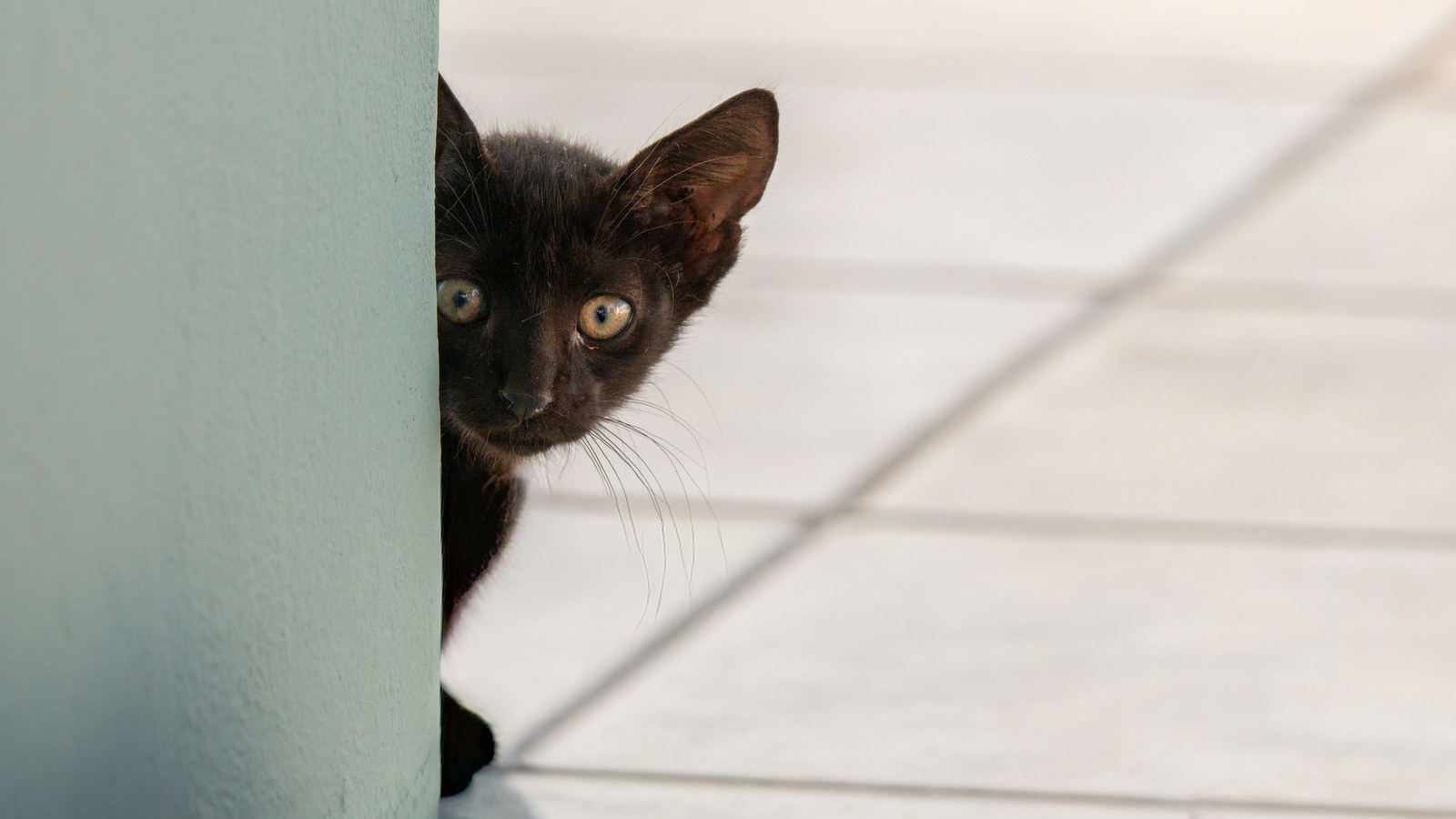
Your cat is not being dramatic — after a vet visit, your other cat genuinely may not recognize her. Cats identify each other largely by scent, and a cat coming home from the clinic smells of strangers' hands, other animals, medications, and stress. To the cat who stayed home, a weird-smelling intruder in a familiar shape has just walked in, and hissing is a reasonable response.
Why scent rules cat recognition
A multi-cat household runs on a shared group scent, built up as cats sleep in the same spots, rub against the same furniture, and groom and brush past each other. That communal smell is their badge of belonging. A few hours at the clinic strips it away and replaces it with disinfectant, unfamiliar animals, and the sharp smell of fear — a combination no amount of familiar fur can disguise.
This is called non-recognition aggression, and it can happen after any clinic visit, even a routine one. Interestingly, the returning cat often behaves normally; it is the stay-at-home cat who growls, hisses, or even swats. Occasionally the returning cat, still groggy or sore, is the defensive one. Either way, neither cat is misbehaving.
The calm homecoming routine
Plan for this every time, and most episodes resolve within a day or two:
- Bring the returning cat inside in her carrier and let her settle in a separate room with litter, water, and food, rather than releasing her straight into a welcoming committee.
- After a few hours — once she is alert, moving normally, and has eaten — rub her gently with a soft cloth or a blanket that smells of home, especially around the cheeks and flanks where scent glands are.
- Let the cats swap rooms briefly or feed them on opposite sides of the closed door so the new smell becomes familiar alongside good things.
- Reintroduce them in a calm, supervised moment, with treats and an easy exit for both, and keep the first meeting short.
If your cat had anesthesia or a procedure, follow your veterinary clinic's aftercare instructions first — appetite, activity, and litter habits matter more than social harmony that first evening.
What not to do
Do not bathe the returning cat to remove the clinic smell unless your veterinarian advises it; a bath adds stress and a brand-new soapy scent. Do not force cuddling, hold the cats facing each other, or scold the hissing cat. And do not assume a serious first reaction means the relationship is broken — most pairs are back to sharing a windowsill once the home scent soaks back in, usually within twenty-four to forty-eight hours.
Wash your hands and change a shirt that smells strongly of the clinic before handling the stay-at-home cat, if the visit involved handling many animals. Small details like that reduce how much foreign scent you personally deliver.
When a homecoming needs a vet's input
Call your veterinarian if the returning cat is hiding and not eating well beyond the clinic's expected recovery window, seems painful, or has changes in urination or breathing — those are about her health, not the relationship. Also seek advice if true fighting, rather than hissing and avoidance, persists beyond a couple of days despite a staged reintroduction; occasionally a pair needs the full slow-introduction process again.
You are not the only multi-cat owner who has watched best friends act like strangers at the carrier door. On KinsLe, the Circle of Love — the community of pet owners and Pet Lovers in every profile's network — connects you with other multi-cat households who have managed the same strange homecoming and can share what worked in homes like yours. Post the carrier-door standoff in the Circle of Love on KinsLe, where owners who recognize that baffled hiss describe which step of the routine calmed their own reunions.