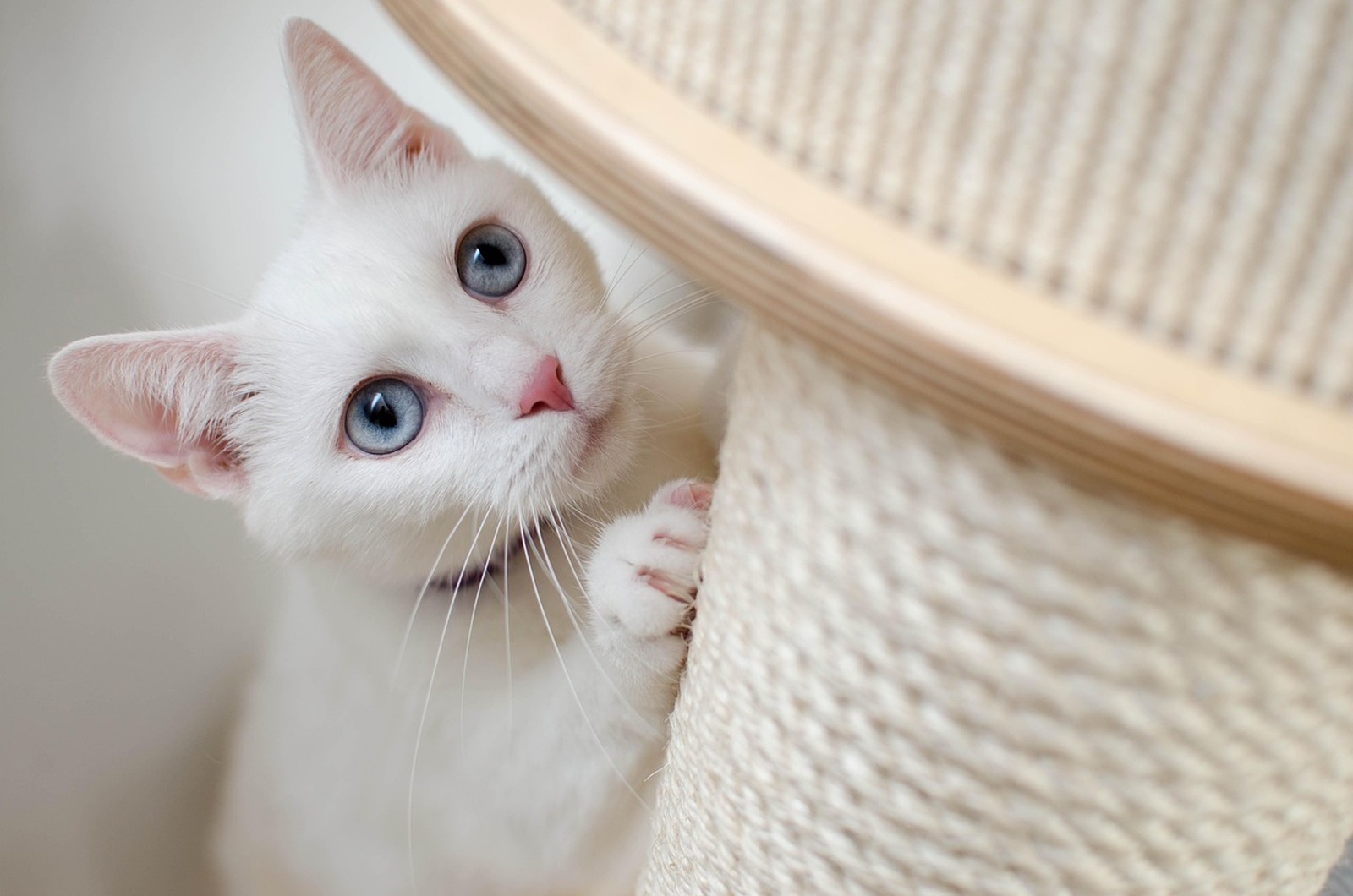
A contented cat who dribbles while kneading your lap is usually showing a leftover kitten reflex: nursing kittens knead to stimulate milk, and some adults keep the whole package — kneading, purring and a little drool — whenever they are deeply settled. If your cat has always done it, only does it when blissful, produces clear drool in small amounts, and is otherwise eating, energetic, and normal, it is a quirk to keep a towel for, not a problem to treat. The behaviour tends to appear in the same cat for life and in the same happy contexts.
The Drooling That Is Not Happiness
Context is the whole diagnosis an owner can make: drooling becomes a vet topic when it is new in a cat who never drooled, happens outside happy moments, is copious or stringy, or arrives with company — pawing at the mouth, bad breath, dropping food, chewing oddly, reduced appetite, or vomiting. That list points to mouth pain (tooth resorption and gum disease are extremely common in cats), nausea, something stuck in the mouth or throat, or exposure to something bitter or toxic (a chewed plant, a licked medication, a household chemical). A cat drooling with an open mouth and breathing difficulty is an emergency. If happy drooling is the whole story, mention it at the next routine visit anyway and ask for a mouth check — cats hide dental pain expertly, and contented droolers get sore teeth too.
Working With Your Vet
With drooling, your job is pattern-spotting, not diagnosing: note whether it appears only during petting or also at rest, and let a veterinarian examine the mouth and decide what, if anything, is wrong. A short phone video of an episode, plus the context — what she was doing, how long it lasted, whether she ate normally afterwards — gives your vet far more to work with than a description offered weeks later in the consulting room.
New, constant, or one-context-free drooling, or drooling with mouth pain, appetite loss, or breathing trouble, needs a vet — breathing trouble the same day.
Keep the drool log specific rather than general: date, situation, rough amount, how long it went on, and anything else you noticed about her mouth or appetite that day. Written down that way, the difference between a lifelong happy quirk and a new symptom stops being a matter of memory — a drooler who only ever dribbles mid-knead reads very differently from one who has started drooling over her food bowl. Look back over the entries after any change that could affect her mouth or stomach — a new medication, a dental procedure, a different food — because those are the moments a happy habit can quietly become a symptom.
At the appointment, that drool diary travels inside the Pet Passport on KinsLe — vets get the dates, contexts and mouth notes as one packet, rather than a recap assembled in the waiting room.