
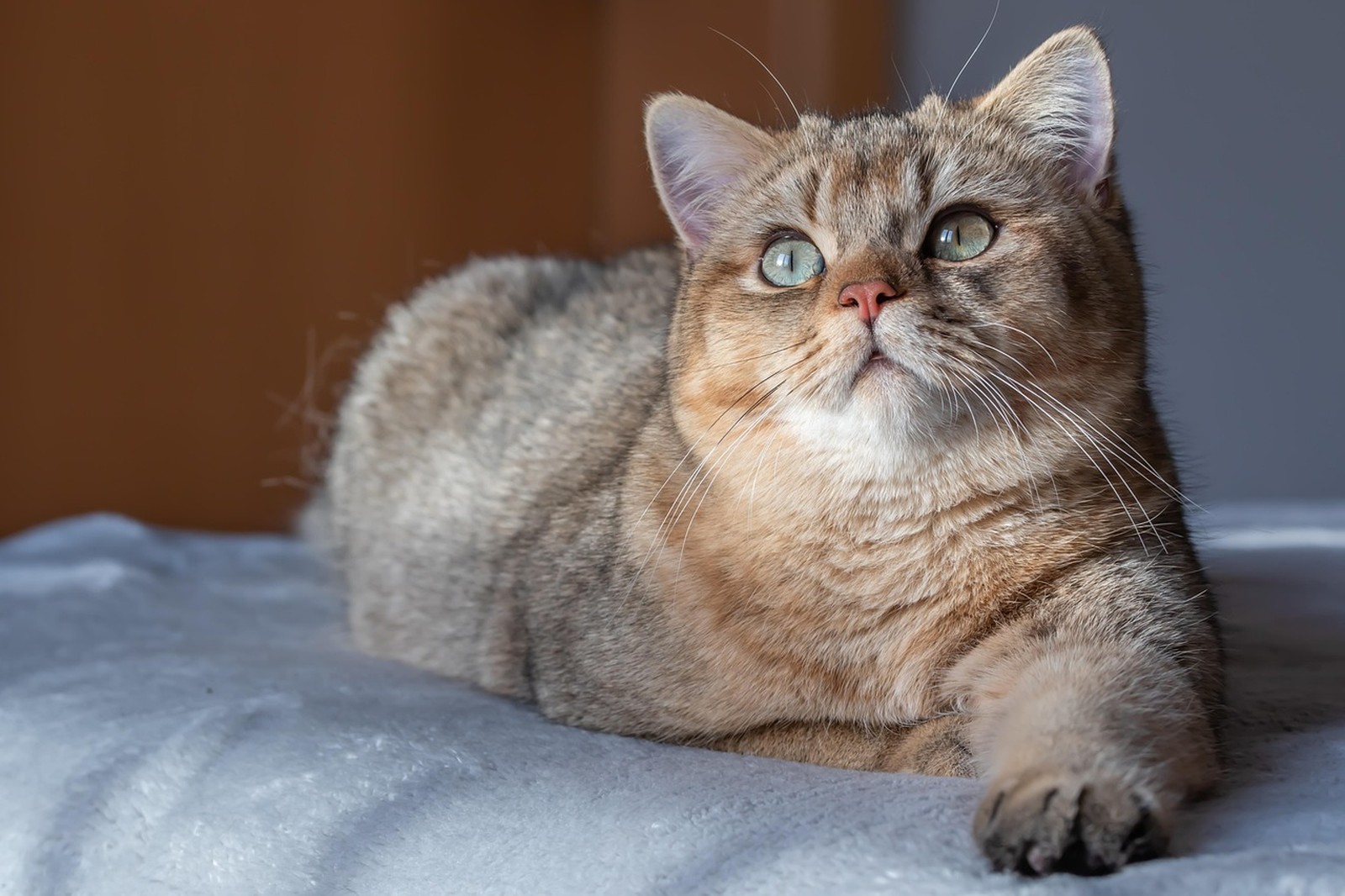
Discharge that returns week after week often starts with the cat flu group, above all feline herpesvirus — a lifelong virus that wakes under stress and turns tears sticky once bacteria move in. Other causes include conjunctivitis from other infections, allergies or irritants, blocked tear ducts (common in flat-faced breeds, whose tears spill instead of draining), eyelid problems where lashes or lids rub the eye, and corneal ulcers — which are painful and need prompt treatment. Clear, occasional tearing in an otherwise bright cat sits at the mild end; recurring discharge deserves an explanation, not just wiping.
What You Can Do at Home
Wipe discharge gently with a clean damp cloth or cotton pad (a fresh one per eye, wiping away from the eye), keep the face clean and dry, and note the pattern: one eye or both, clear or coloured, any sneezing alongside, squinting or pawing at the eye, and whether the eye itself looks cloudy or the third eyelid is showing. Never use leftover eye drops or human eye products unless your vet has prescribed them for this episode — the wrong drop can seriously harm an ulcerated eye. Photographing the eye in good light when it flares gives your vet useful evidence, since eyes often look deceptively normal by appointment time.
Working With Your Vet
With eyes, your role is careful observation, not diagnosis: record which eye is affected, whether the discharge is clear or coloured, and what else changed alongside it, then let a veterinarian examine the eye and decide the cause. Dated photographs taken in good light during a flare are especially valuable here, because a recurrent eye often looks deceptively calm by appointment time and the pictures show the vet what you actually saw at home.
Book promptly for coloured discharge, squinting or a closed eye, cloudiness, visible third eyelid, swelling, or discharge that keeps returning after a week of home care. A cat holding an eye shut is in pain — that is a same-day call.
For a recurrent eye, keep a flare log rather than a general diary: the date each episode started, any stress in the days before it — visitors, a house move, a new cat — plus sneezing, appetite and which treatments were tried. Across several flares, that log can reveal a rhythm memory would blur — episodes that follow stress, seasons that make things worse, or a treatment that clearly shortened the last bout. Revisit the entries whenever her world changes — a new medication, a kitten joining the household, a stay at a cattery — because each of those is a plausible flare trigger your vet will want to rule in or out.
For a cat whose eyes flare in cycles, each visit should build on the last flare's notes, photographs and response to treatment, not restart the story. That history travels in the Pet Passport on KinsLe, letting a new or covering vet read the episode pattern in minutes instead of reconstructing it from memory.