
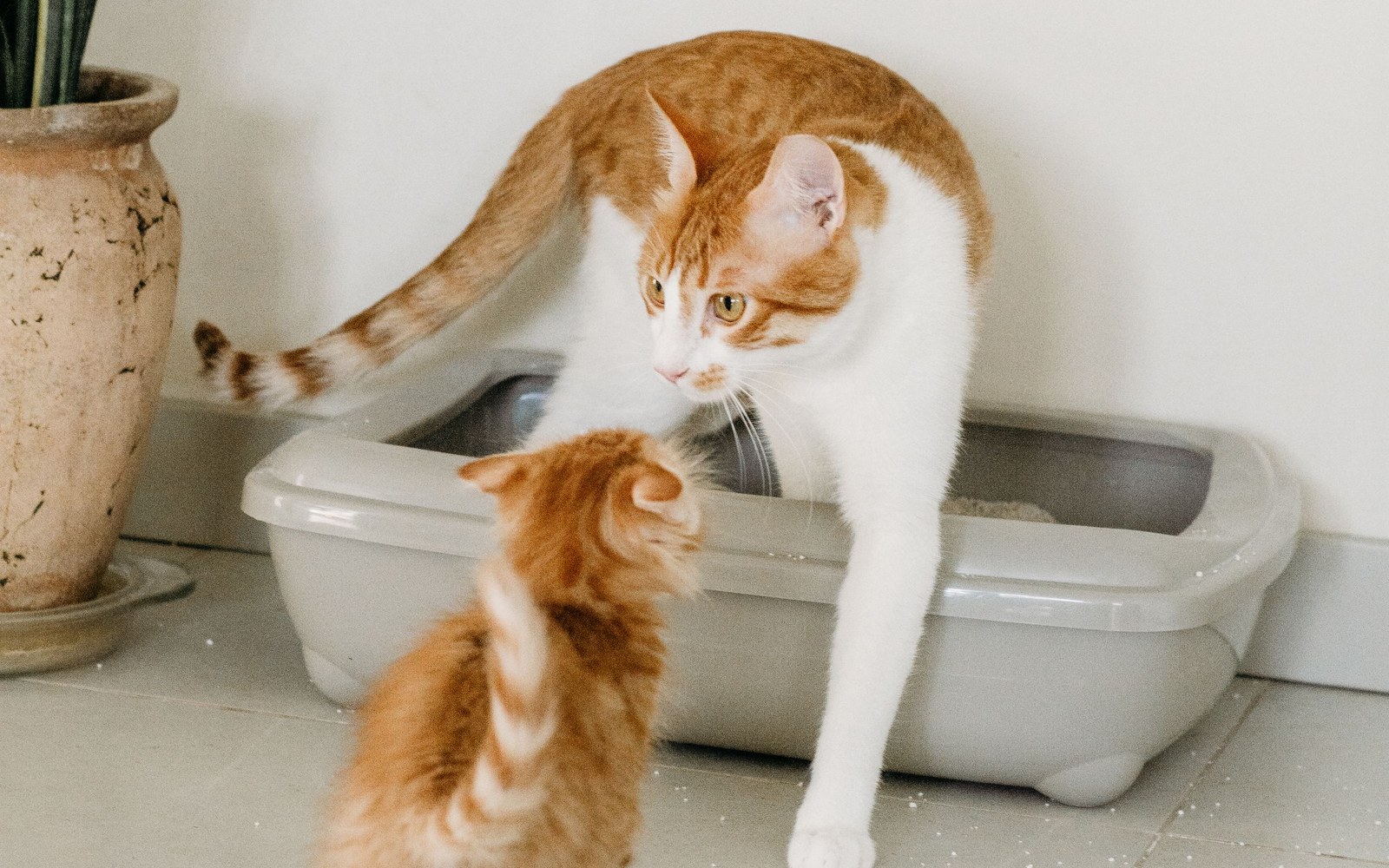
Frequent trips to the litter box that produce only a little urine are a sign your cat's urinary tract needs attention — do not brush this off or simply wait it out. It can point to irritation or trouble anywhere in the urinary system, and it can worsen. Call your veterinarian the same day you notice the pattern, and sooner if the amounts keep shrinking or your cat seems uncomfortable.
What you might be seeing
The pattern usually looks like this: your cat visits the box far more often than usual, crouches longer than normal, and leaves only a small clump — sometimes just drops. Some cats cry or lick themselves afterward, return to the box minutes later, or start choosing odd spots like a cool bathroom floor or laundry. Others eat and play normally between trips, which is exactly why owners sometimes underestimate it.
Keep perspective on the difference between "a little, often" and "nothing at all." A cat who is producing small amounts is still passing urine, but the situation can change. A cat who strains and produces nothing is an emergency — treat that as a reason to contact an emergency veterinarian immediately rather than waiting for a regular appointment.
What not to do at home
Do not try to diagnose the cause yourself, and do not give your cat any leftover medication, human pain relief, or home remedy — products that are safe for people or dogs can be dangerous for cats, and guessing delays the care that actually helps. Avoid pressing on your cat's belly to "check" anything, and do not restrict water in an attempt to reduce the trips. Fresh water should stay available unless your veterinarian tells you otherwise.
Also resist the wait-and-see weekend. Urinary problems in cats are known for looking mild on Friday and becoming urgent by Sunday. When you call, describe exactly what you have seen: how many trips, roughly how much urine, any crying, appetite and drinking changes, and when it started. Those details help the clinic decide how quickly you need to be seen.
What your veterinarian will do
Your vet will examine your cat, feel the bladder carefully, and typically want a urine sample — sometimes collected at the clinic — to look for signs of inflammation, crystals, or infection. Depending on findings, they may suggest bloodwork or imaging. Only that exam and testing can sort out the cause, and the right next steps depend entirely on what they find, which is why no article can responsibly tell you a treatment.
You can make the visit smoother by bringing a fresh stool-free urine sample only if the clinic asks for one, noting your cat's current foods and medications, and keeping her carrier routine as calm as possible. If she produced a noticeably odd clump or you saw discoloration, mention when — a photo of the litter box can be genuinely useful.
Watching the pattern afterward
Once your vet has a plan, careful notes become your job. Track litter box visits, approximate clump sizes, water intake, and appetite for a few days, and report back if the pattern is not improving on the timeline your vet described. Return promptly — or head to emergency care — if trips increase, amounts shrink to nothing, your cat cries out, becomes lethargic, vomits, or stops eating.
Good records should not live in your memory during a stressful week. On KinsLe, your cat's Pet Passport is the records packet holding her vaccines, medications, allergies, and documents, ready to share with your vet or an emergency clinic before you even arrive, so no one has to reconstruct her history from scratch. Your Pet Passport on KinsLe holds each dated litter box visit and clump size where the veterinarian can read the pattern at the recheck instead of relying on your memory of a stressful week.