
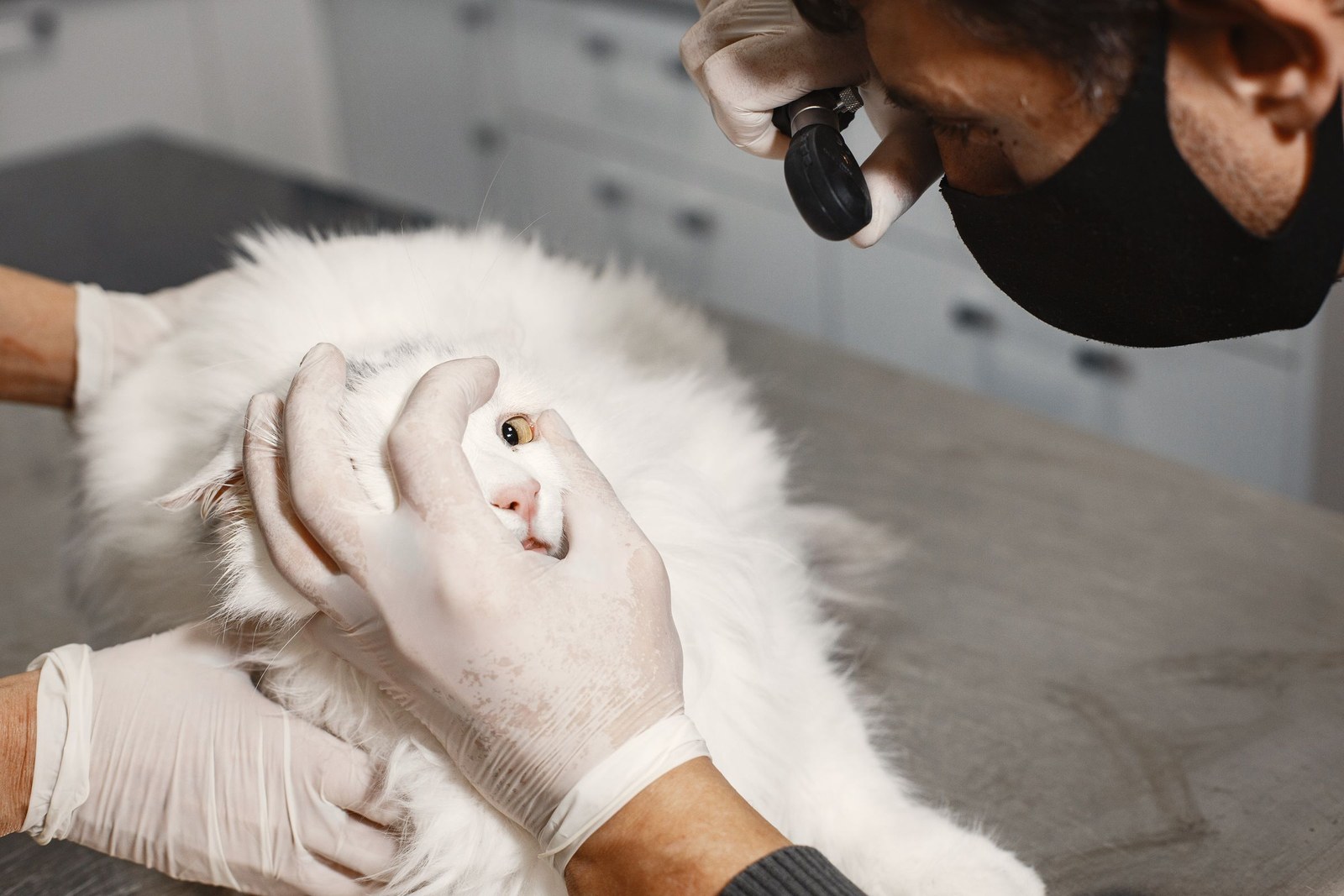
Your cat needs a vet visit every year even when she seems perfectly fine because cats are experts at hiding illness — by the time a cat shows obvious signs at home, a problem is often well advanced. The annual exam is how dental disease, weight drift, heart and kidney changes, and other quiet issues get caught while they are still small and manageable.
What your vet can feel and hear that you can't
You see appetite, energy, and litter habits. Your vet adds hands, a stethoscope, and trained pattern recognition: feeling the abdomen and lymph nodes, listening for heart murmurs or rhythm changes, checking joint flexibility, examining ears and eyes with proper light, and probing teeth and gums for pain a cat would never show you at the dinner bowl. A half-kilo of weight change that looks like nothing on a fluffy cat is meaningful data in the exam room, especially as a trend across years.
The updates that happen at that visit
The annual appointment is also maintenance. Vaccines are reviewed against your cat's lifestyle — an indoor-only cat and a cat who boards or roams have different risk profiles. Parasite prevention is renewed or adjusted. For adult and senior cats, your vet may recommend bloodwork that establishes a personal baseline: your cat's own normal values, recorded while healthy, make future results far easier to interpret when something does go wrong. Dental needs, nutrition, and behaviour questions all get a natural slot, too.
Why 'she seems fine' is the weakest evidence
Cats evolved as both predator and prey, and hiding weakness is hardwired. A cat with painful dental disease often keeps eating. A cat in the early stages of kidney or thyroid trouble may simply drink a little more, sleep a little longer, or lose weight so gradually that daily life conceals it. Owners who know their cats best still miss these shifts — not from inattention, but because the changes are designed by nature to be missed. The exam exists precisely to look where instinct hides things.
Making the yearly visit less stressful
Book at a quiet time of day, keep the carrier out at home year-round with a blanket inside so it doesn't only appear on vet day, and line it with something that smells of home. Withhold food for a few hours before travel if car sickness is an issue, and ask your clinic about fear-free handling or a calming plan if your cat panics. Write your questions down beforehand — litter changes, water intake, play, appetite, grooming — because the details you live with are genuinely useful clinical information.
Records that build year on year
KinsLe's Pet Passport is your cat's records packet — vaccines, medications, allergies, and documents in one place, shareable with vets and sitters — so each annual visit builds on the last instead of starting from a memory and a shoebox of invoices. Walking in with last year's bloodwork, vaccine dates, and current feeding notes makes the appointment sharper for everyone. At the next yearly exam, the Pet Passport packet on KinsLe lets the examining veterinarian read dated bloodwork results, vaccine entries, and weight readings from prior visits as a trend, not a single snapshot.