
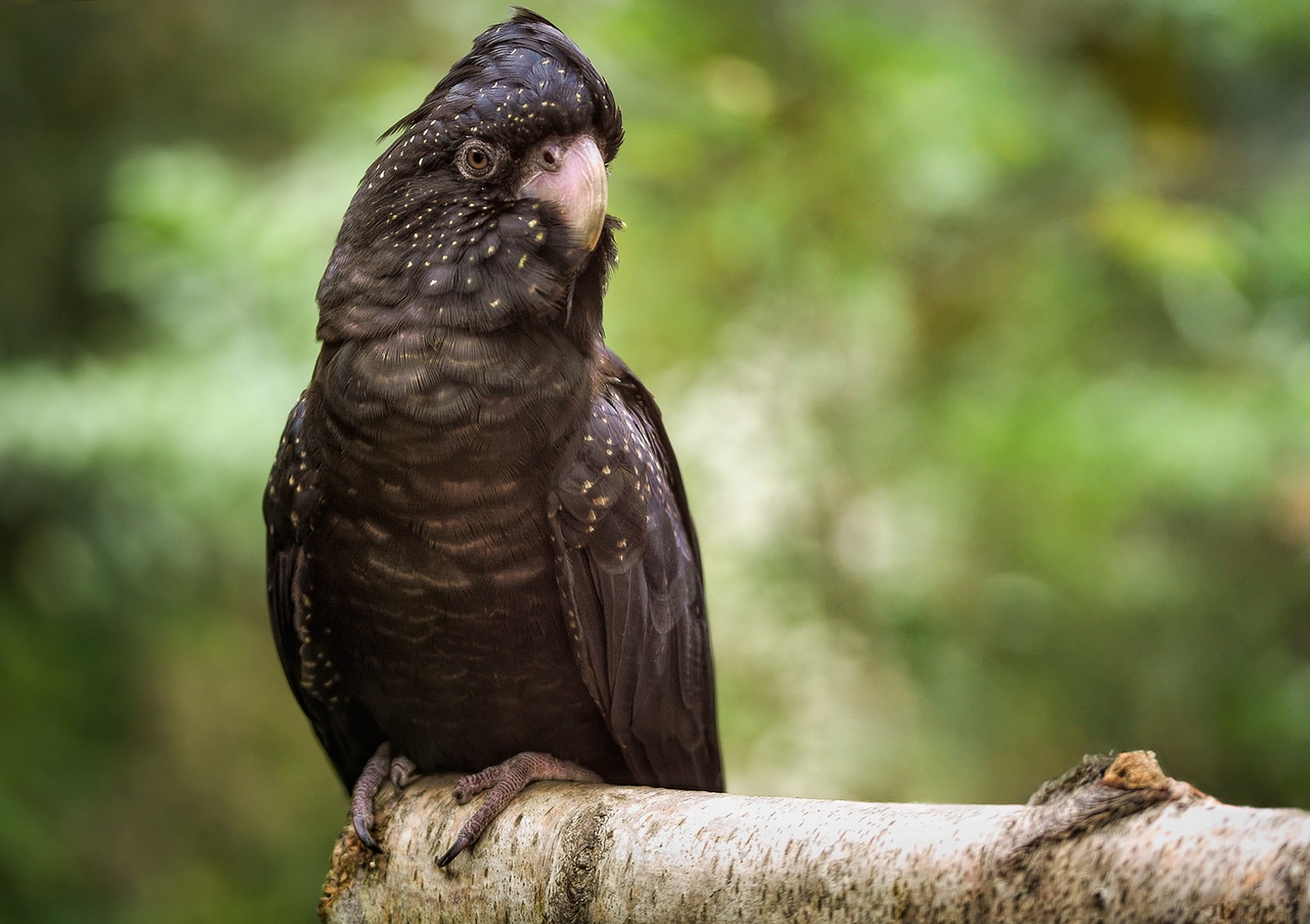
Some cockatoo calling is completely normal — wild cockatoos contact-call loudly at dawn and dusk — but near-constant screaming usually signals boredom, loneliness, an unmet need, or a household routine that accidentally pays for noise with attention. You cannot eliminate a cockatoo's voice, and trying to will frustrate everyone. You can reduce screaming dramatically by changing what the screaming earns and what quiet behavior earns instead.
First, Rule Out the Basics
Before treating screaming as a behavior problem, check the foundations. Is your cockatoo getting ten to twelve hours of dark, quiet sleep? Enough out-of-cage time and exercise? A varied diet, fresh water, and toys it actually destroys rather than ignores? Has anything changed — a moved cage, a new pet, a vanished family member, a different work schedule? If the screaming pattern is new or suddenly worse, an avian vet visit comes first, because pain and illness can present as increased vocalization in a bird that cannot say where it hurts.
The Attention Trap
Cockatoos are brilliant social engineers. If screaming produces a person appearing, shouting back, covering the cage, or rushing over “just to check,” the bird has learned that volume is the household's doorbell. Shouting back is especially counterproductive: to a cockatoo, you have simply joined the flock call, and now it is a duet. The hard but effective rule is that screaming earns nothing — no eye contact, no reply, no dramatic exit — while the instant there is a quiet pause, even a few seconds, you appear with praise, a treat, or a greeting.
Build a Quieter Daily Rhythm
Reward the sounds you like: soft chatter, beak grinding, and independent play should get more attention than any scream ever does. Rotate foraging toys daily so breakfast takes work — food hidden in paper cups, woven toys, and cardboard boxes keeps a powerful mind busy. Schedule predictable together-time, including a morning and evening flock call you participate in briefly, so your bird is not improvising its own schedule all day. Teach simple cues and tricks; learning sessions burn mental energy and give your cockatoo approved ways to earn your focus.
Safety and Sanity Notes
Never punish screaming with isolation in a dark room for long stretches, spray bottles, or covering the cage all day — those tactics damage trust and can tip a sensitive cockatoo toward feather damage or fearfulness. Protect your own hearing during close contact, and be honest about the species: cockatoos are among the loudest companion birds, and a home that needs library quiet may need management and earplugs at dawn, not miracles. If screaming is paired with plucking, appetite change, or withdrawal, loop your vet back in.
How KinsLe Helps
Routines only work when they actually happen every day, and KinsLe's Kimmy, the built-in AI assistant, can answer questions about keeping enrichment fresh — what to hide in a cardboard foraging box, when to swap out a woven toy your cockatoo ignores, or how dark sleep hours should stay. That guidance is how a routine stays consistent enough to settle both bird and house. For the questions that surface mid-routine — which foraging toy to rotate next, how long a quiet pause should earn praise — take them to Kimmy through KinsLe and get replies whose source is the KinsLe Answers library.