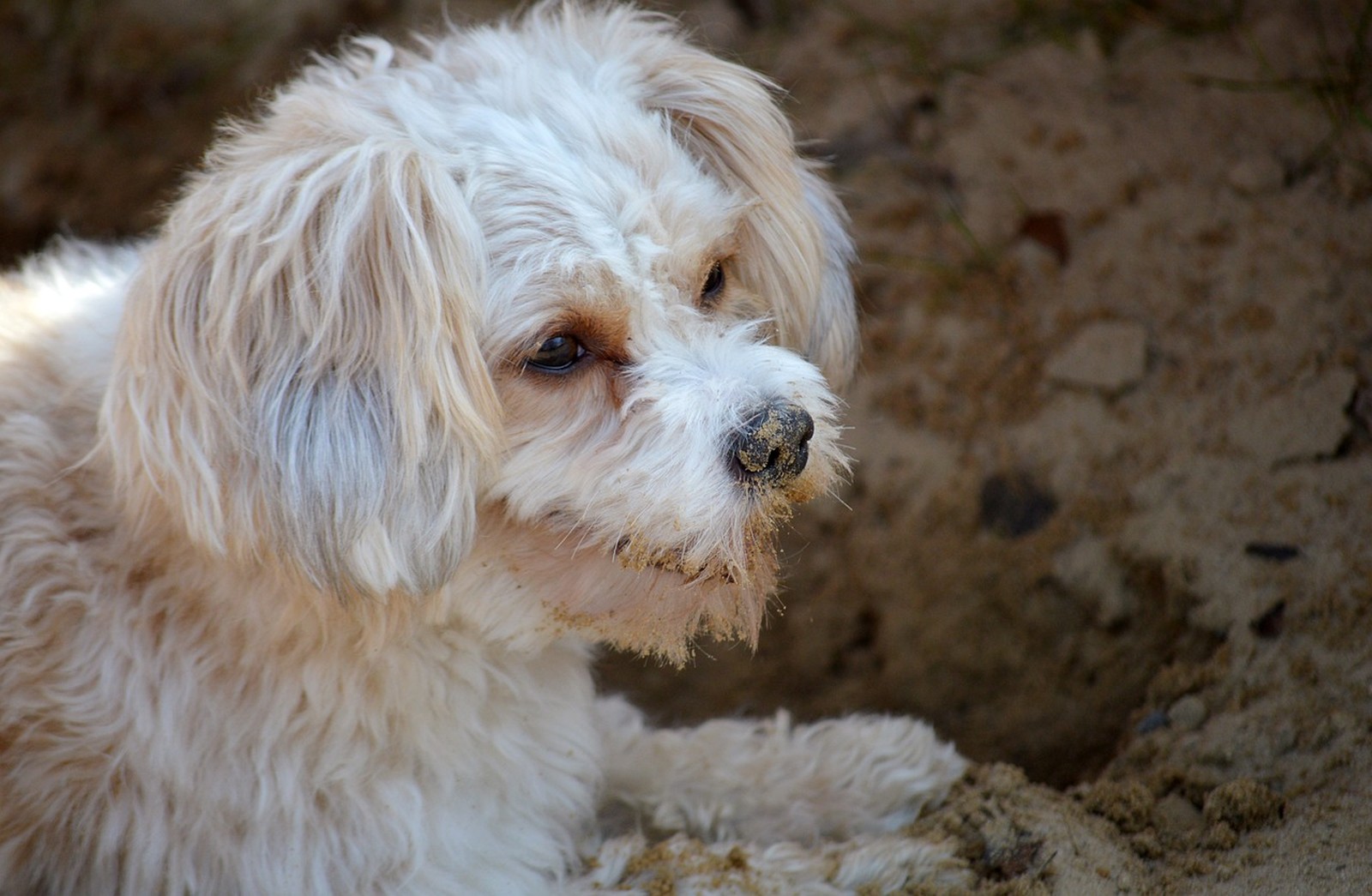
A dug-up yard feels personal, but your dog is not landscaping out of malice. Digging is a normal, deeply rewarding dog behaviour, and the pattern of the damage is a map to its cause. Before filling another hole, spend a day reading the yard the way your dog does: where the holes sit, when they appear, and what was happening in the hours before them.
The Common Drivers, Hole by Hole
Location and timing narrow it down quickly:
- Along the fence line: escape or frustration. An under-exercised dog, or an unneutered male who can smell other dogs, digs where the interesting world is, and these holes angle under the fence.
- A body-shaped hollow in a shady spot, used on hot afternoons: cooling. Dogs scrape away warm topsoil to lie on the cooler earth beneath, then return to the same comfortable pit.
- Craters in lawns and beds, nose down and intent: prey and scent. Voles, moles, insects, and even buried bulbs or fertiliser smells reward digging in unpredictable places.
- Everywhere, in a young dog left alone for long stretches: boredom. Digging is self-entertainment, and the freshly turned soil, roots, and buried discoveries pay well.
- Breed tendency overlays all of it. Terriers were bred to go to earth after quarry, and many northern and working breeds dig readily, so some dogs simply arrive with a stronger shovel built in.
Give Digging a Legal Address
Total suppression usually fails because the reward is built into the behaviour. A sanctioned digging area works far better. Mark out a pit, a low timber-edged square or a large sand-filled box in a corner of the yard, loosen the soil or sand, and bury toys and treats just under the surface while your dog watches. Praise digging there lavishly. When she digs elsewhere, interrupt calmly, lead her to the pit, and reward a dig in the right place. Refresh the buried surprises regularly so the legal spot stays more interesting than your flower beds.
Then remove the pressure behind the other drivers. Add a proper walk and sniffing games before alone time, provide shade, water, and a cool resting option in summer, and check fence lines weekly. Fill an escape hole and reinforce that section at ground level, and supervise a determined escaper rather than trusting the fence. Avoid leaving a dedicated digger alone in the yard for hours with nothing else to do, because the yard itself becomes the toy.
What Not to Do
Filling holes with water, burying deterrents in them, or punishing a dog beside a hole she dug hours ago teaches nothing except that the yard, or you, can be unpredictable. She cannot connect your anger to digging she finished long before. If digging appears suddenly alongside weight change, frantic behaviour, or attempts to escape that are new for her, mention it to your vet, since anxiety and some health changes can drive it. Steady exercise, a legal pit, and secure fences resolve most yards, and KinsLe Care Teams keeps those habits going by assigning the daily walk, pit refresh, and fence-check duties across the household with a timestamp on each finished job.