
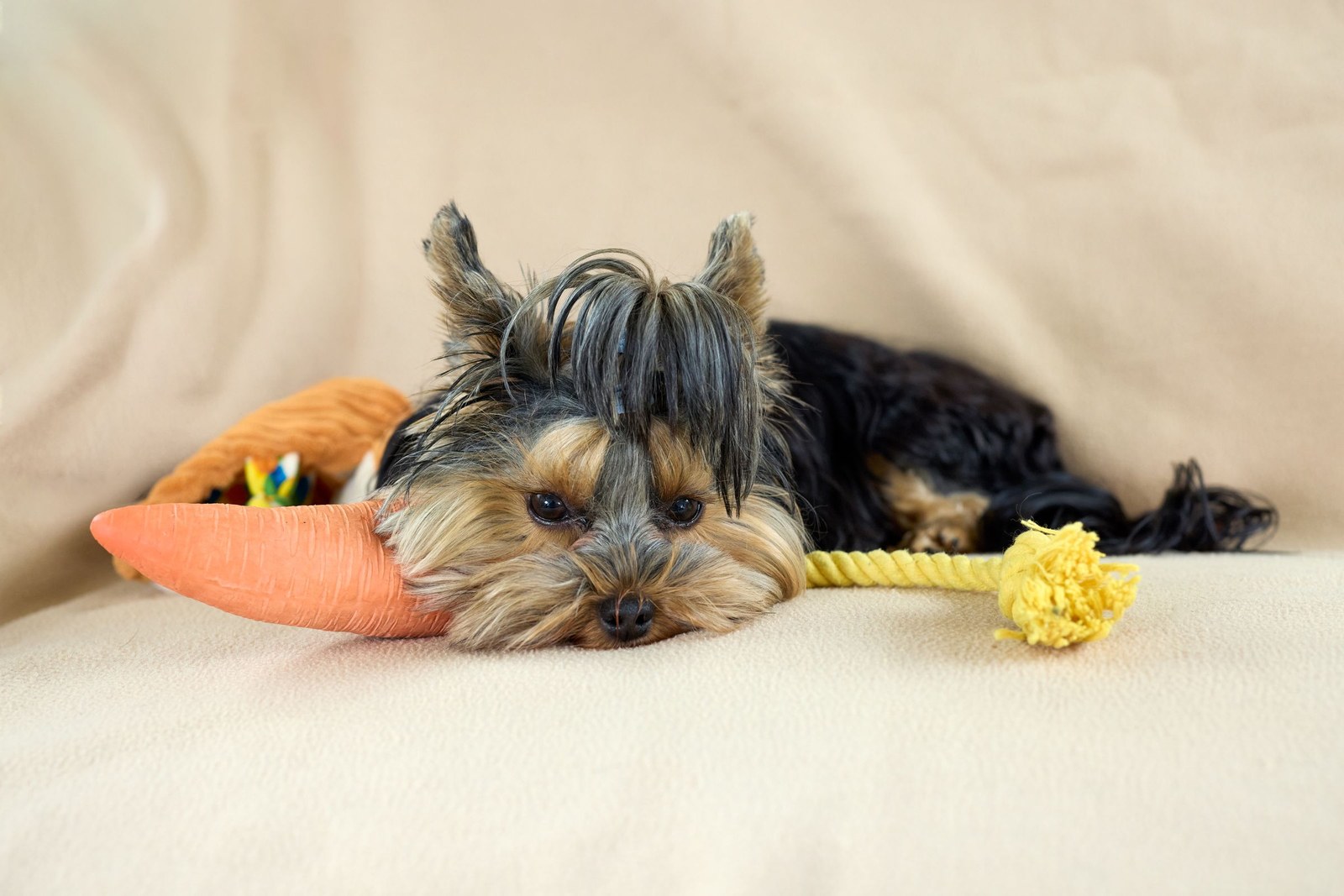
Your dog gets bored with toys quickly because novelty matters to dogs: a toy that lives on the floor all week becomes part of the furniture, while the same toy brought back after a few days away feels new again. Rotating toys — keeping a small set out and swapping it every couple of days — is one of the cheapest, most effective fixes, and yes, you should do it rather than constantly buying more.
The Science of "New Again"
Dogs investigate the world through scent and novelty. A freshly presented toy carries your scent from handling, smells different from the floor toys, and has not yet been fully explored, chewed, and mapped. Within a day or two of constant access, most dogs have extracted everything interesting from it — the squeak is known, the texture is known, the game is solved. Interest fades not because the toy is bad, but because it is finished.
This is why dogs so often steal a sock or a child's toy instead: it is novel, it smells strongly of people, and it gets a reaction. Rotation works with that instinct instead of against it. Owners are often startled that a toy ignored for months becomes the favourite of the week after a spell in the cupboard. You are not fooling your dog; you are re-offering something genuinely re-interesting.
There is another benefit: toys out of rotation get checked, washed, and repaired, while floor toys accumulate damage unnoticed.
How to Build a Simple Rotation System
You do not need dozens of toys. For most dogs, eight to twelve toys divided into three or four sets is plenty. Each set should mix types: something to chew, something to fetch, something soft to carry, and a food or puzzle toy. Keep the out-of-rotation sets in a closed box or cupboard — out of sight really does help.
Swap sets every two to four days, or when you notice interest dropping. Wash fabric toys when they rotate out, inspect everything for damage, and retire anything cracked or fraying before it goes back in. Keep one or two permanent comfort items exempt from rotation — the battered favourite your dog sleeps with is not a boredom problem, it is a security blanket, and it should stay.
Reserve your highest-value items as event toys: the special chew that only appears when you leave the house, or the beloved ball that only comes out for garden games with you. Toys that involve you stay exciting far longer than toys a dog faces alone, so make yourself part of some play sessions rather than treating toys as a substitute for interaction.
When Boredom Is Not Really About Toys
If rotation changes nothing, look wider. A dog who ignores every toy may be under-exercised, under-stimulated in other ways, anxious, or simply a dog whose joy is sniffing walks and training games rather than objects — many sighthounds and independent breeds are like this. Puppies rotate interests hourly because everything is new; seniors may prefer gentle, familiar toys and shorter play bursts.
And if your dog is destroying things, barking, or seems restless all day, toys alone will not fix it — revisit exercise, company, and alone-time length, and talk to your veterinarian if the behaviour is new or intense.
Keeping Everyone in the House in Sync With KinsLe
Rotation only works if the whole household follows the same plan, and that is where it usually unravels — one person puts out the whole box, another hides a high-value chew in the wrong week. KinsLe Messenger is the per-pet communications hub in KinsLe, so you can message everyone in your dog's circle right in that hub: which toys are in rotation this week, which chew is saved for departures, which toy was retired and why.
One short message keeps the system intact without a family meeting about dog toys.
Post the swap in the KinsLe Messenger thread on KinsLe after dinner — telling your partner that the rope toy comes back tomorrow while the cracked ball stays out — so whoever plays next follows the same lineup.