
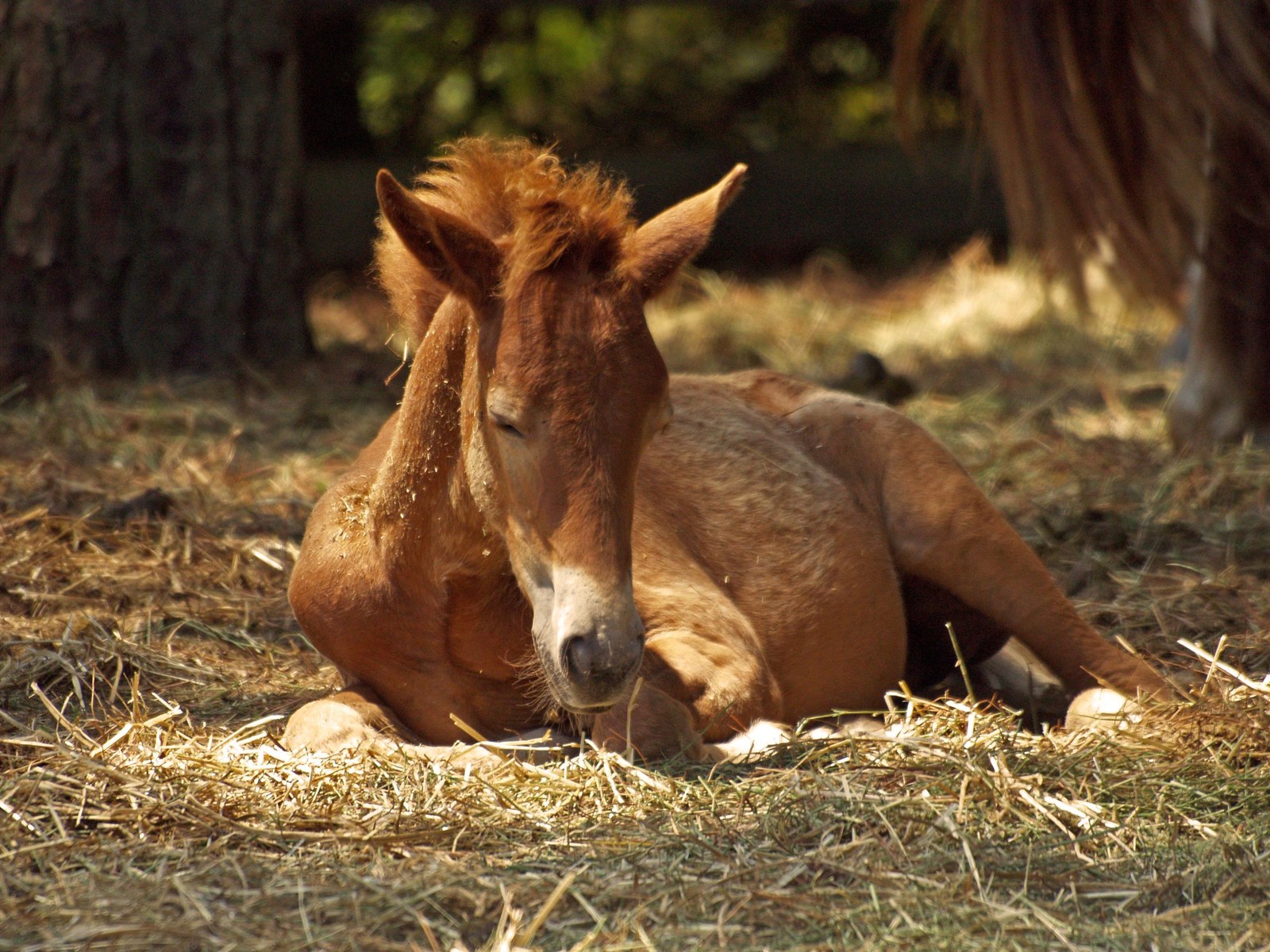
Some leftover hay is normal — horses are picky and will sort through a flake, eating the soft leafy parts and leaving the stemmiest bits. But when a horse consistently leaves significant hay behind, or the habit starts suddenly, it is worth investigating. The usual suspects: poor hay quality, dental discomfort, or simply being offered more than he needs.
Reading what is left in the rack
Look at what he leaves, not just how much. If the leftovers are coarse stems, he is sorting — normal, though it may mean the hay is stemmier than ideal. If he leaves soft, good-looking hay uneaten, or drops wads of half-chewed hay (quidding), that points at the mouth: sharp enamel points, a loose tooth, or mouth sores make chewing painful. Horses with dental trouble often eat slowly, tilt their heads while chewing, or spill grain. A horse that used to clean up and suddenly does not, especially alongside weight loss, deserves a dental check, not a wait-and-see.
Hay quality is the other half of the story
Horses reject hay for good reasons. Musty, dusty, or moldy hay smells wrong to them long before you notice, and last year's bleached, rained-on bales may be so unpalatable the horse would rather go hungry. Break a bale open and check: it should smell fresh and sweet, not musty; it should not puff dust when shaken. If a whole barn of horses suddenly leaves hay, suspect the hay, not the horses. Also consider simple overfeeding — a horse offered twenty pounds who needs fifteen will always leave five, and the "waste" is really just excess.
Practical steps
Weigh what you offer and what is left for a few days to get real numbers. Try a flake from a different bale or cutting to see if pickiness follows the hay. Watch him eat from a distance: quidding, head-tilting, and slow chewing all point to teeth. Check his body condition — a horse maintaining weight while leaving hay is likely just overfed, while one losing weight while leaving hay needs attention sooner. Note when the change started; "since the new load of hay arrived" and "since last month" tell very different stories.
Safety notes
Never force a horse to eat refused hay by withholding fresh feed — if hay is moldy, eating it is worse than not eating. Moldy hay can trigger respiratory problems (heaves) as well as digestive upset. If refusal comes with lethargy, no manure, or signs of colic, call your veterinarian promptly.
Keep the notes where the vet can see them
Feeding changes mean the most when they sit next to the horse's health history. KinsLe's Pet Passport is the records packet for your horse — vaccines, medications, allergies, and documents — and your feeding notes live alongside his dental records, ready to share with your vet at the next visit. At the dental appointment, your veterinarian can read the dated hay weigh-ins and refusal notes in the Pet Passport on KinsLe, set beside his latest dental findings, before judging whether sore teeth explain the leftovers.