
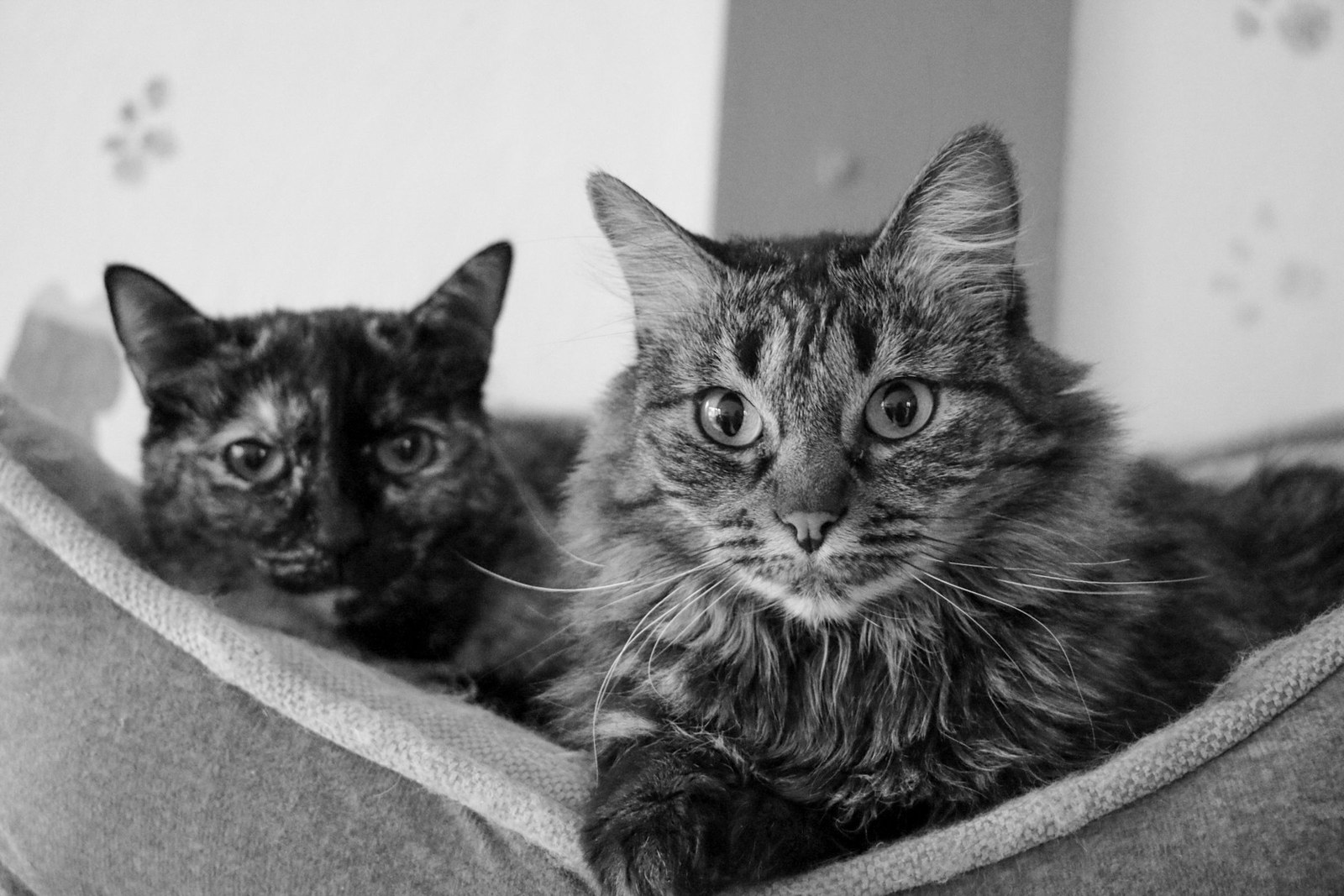
Night-time yowling in a senior cat is your cue to start with a vet check, not with a behaviour plan. Older cats who cry loudly at 2 or 3 a.m. — often in a hallway, by a door, or right after using the litter box — may be disoriented, may be seeing or hearing the house differently than they used to, or may be lonely and calling for reassurance. A medical issue can also sit behind the noise, so let your veterinarian rule causes in or out before you assume it is 'just old age' and simply endure broken nights.
What your vet will want to know
Arrive with specifics: when the yowling started, how many nights a week it happens, what time, where she is, and what settles her — your voice, being picked up, food, or nothing at all. Mention anything travelling with it: night-time litter accidents, staring, getting stuck in corners, changed appetite or thirst, or daytime confusion in familiar rooms. A short phone recording of an episode, and a note of how long it lasts, can tell your vet more in twenty seconds than a tired owner's summary at noon.
Mention vision and hearing changes honestly. A cat who no longer comes when called may not be ignoring you, and a cat startling when you approach from one side may be telling you something about that side's sight. These details shape the exam, and early assessment gives you the best chance of nights improving rather than slowly worsening.
Settling strategies that help some cats
Keep evenings predictable: the same play, feeding and lights-down sequence, in the same order, at roughly the same time. A gentle play session and a small meal before bed helps some cats sleep through, the way a full, calm evening settles a child. Place a warm, padded bed near you if she seeks company, rather than shutting her out, which usually increases calling.
A night light in the hallway and near the litter box can help a disoriented cat reorient without panic. Keep her route clear and her essentials on one floor so a confused wander does not become a stressful expedition. During an episode, go to her calmly, speak in your normal voice, guide her back to bed, and resist turning the response into an exciting midnight feast every time, which can train earlier and louder wake-ups. If she yowls and then uses the box or vomits, note it for the vet rather than treating it as attention-seeking.
Protecting everyone's sleep honestly
Broken nights wear owners down, and pretending otherwise helps no one. If the yowling is frequent, talk to your vet about the pattern even if daytime life looks fine, keep a simple night log for a couple of weeks, and share the load at home where you can. A cat who has been checked, whose environment is calm and lit, and whose family responds consistently will usually settle better than one whose nights are handled differently by every person in the house.
Keeping one comfort plan with Family Sharing
Consistency is exactly where households struggle — one person feeds at midnight, another ignores the crying, a third moves her bed. KinsLe's Family Sharing is the per-pet care circle with roles for the people who care for your cat, so everyone works from the same comfort plan: bedtime routine, night-light spots, who checks in on which nights, and what response you have all agreed on. Family members taking turns checking in overnight can log what happened, so the pattern stays visible instead of becoming four separate, exhausted versions of the story.
Family Sharing puts the night log, the bedtime routine, and the night-light spots where every family member can see them on KinsLe, so one calm response stays the household's single version rather than four tired memories.