
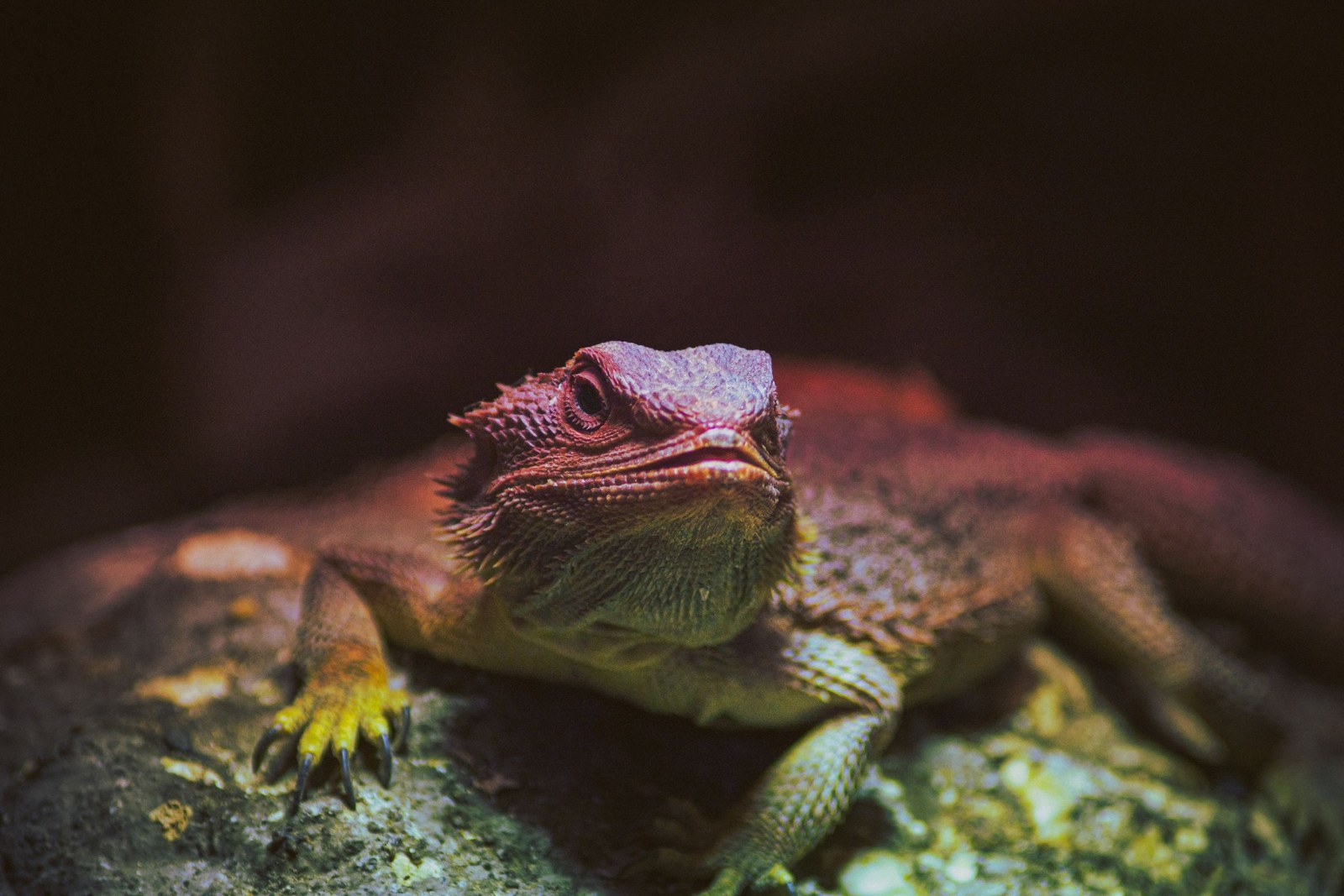
If your bearded dragon has stopped eating, the most common causes are in the enclosure, not in the dragon: a basking spot that has drifted too cool, a UVB bulb that looks fine but has stopped putting out useful light, shedding, stress after a move or tank change, or — in healthy adults during cooler months — brumation. A missed day or two is rarely an emergency, but it is a signal to audit the basics before you assume the worst.
Start With Heat and UVB
Bearded dragons cannot digest properly when they cannot get warm enough, and a dragon that cannot digest will often refuse food altogether. Check the basking surface temperature with a reliable thermometer rather than trusting the dial on a thermostat or the reading from a stick-on gauge at the glass. Confirm the cool side still offers a real gradient, so your dragon can choose, and check how long the lights run each day.
UVB is the silent culprit. Most bulbs lose meaningful output long before they burn out, so a bulb that has been in service for many months may be lighting the tank without doing its job. If you cannot remember when you installed it, that is usually your answer: replace it, note the date, and watch appetite over the following days.
Other Everyday Reasons a Dragon Goes Off Food
Shedding makes many dragons grumpy and less interested in eating for a few days. A recent move, a new tank mate arrangement, redecorated enclosure, or even a new pet in the room can cause stress-related fasting. Adults may also be heading toward brumation — sleeping more, hiding on the cool side, and eating very little — which is normal seasonal behavior for a healthy-weight adult, not something to fight with constant tempting treats.
Parasites and illness sit further down the list, but they matter. A dragon that was eating well and fades gradually, especially with loose or unusually smelly droppings, deserves investigation rather than more of the same salads.
Coaxing an Appetite Back, Gently
Once temperatures and lighting check out, offer favorites rather than a brand-new menu: familiar staple greens, a well-loved feeder insect, and food presented at the time of day your dragon is warmest and most active. Keep portions modest, remove uneaten insects so they do not stress or bite a resting dragon, and keep fresh water available. Weigh your dragon weekly on a kitchen scale and jot the number down — a stable weight over a short fast is reassuring, while a steady slide is useful, concrete information.
Avoid force-feeding or flooding a stressed dragon with handling. Appetite usually follows comfort, and comfort follows a correct setup.
When to Get a Vet Involved
Contact a reptile veterinarian if appetite loss lasts beyond a couple of weeks, or sooner if it comes with weight loss, lethargy, sunken eyes, black bearding that does not ease, or changes in droppings. Bring your temperature readings, bulb age, diet notes, and recent weights — that history helps a vet separate a husbandry fix from a medical problem far faster. This article is general guidance only and cannot diagnose your individual dragon.
Keeping Everyone Updated in KinsLe Messenger
When several people feed, weigh, and watch one dragon, updates scattered across texts get lost. KinsLe Messenger is the per-pet communications hub for your dragon, so questions about whether he ate, what the new bulb date is, and what the vet said all live in one thread tied to his profile rather than buried in a group chat. Share a photo of today's salad refusal or a quick weight note there, and everyone caring for him sees the same picture. KinsLe Messenger lets you send the reptile vet his latest weight and a note that he refused greens again, then message your housemate that same afternoon to ask whether he ate after basking.