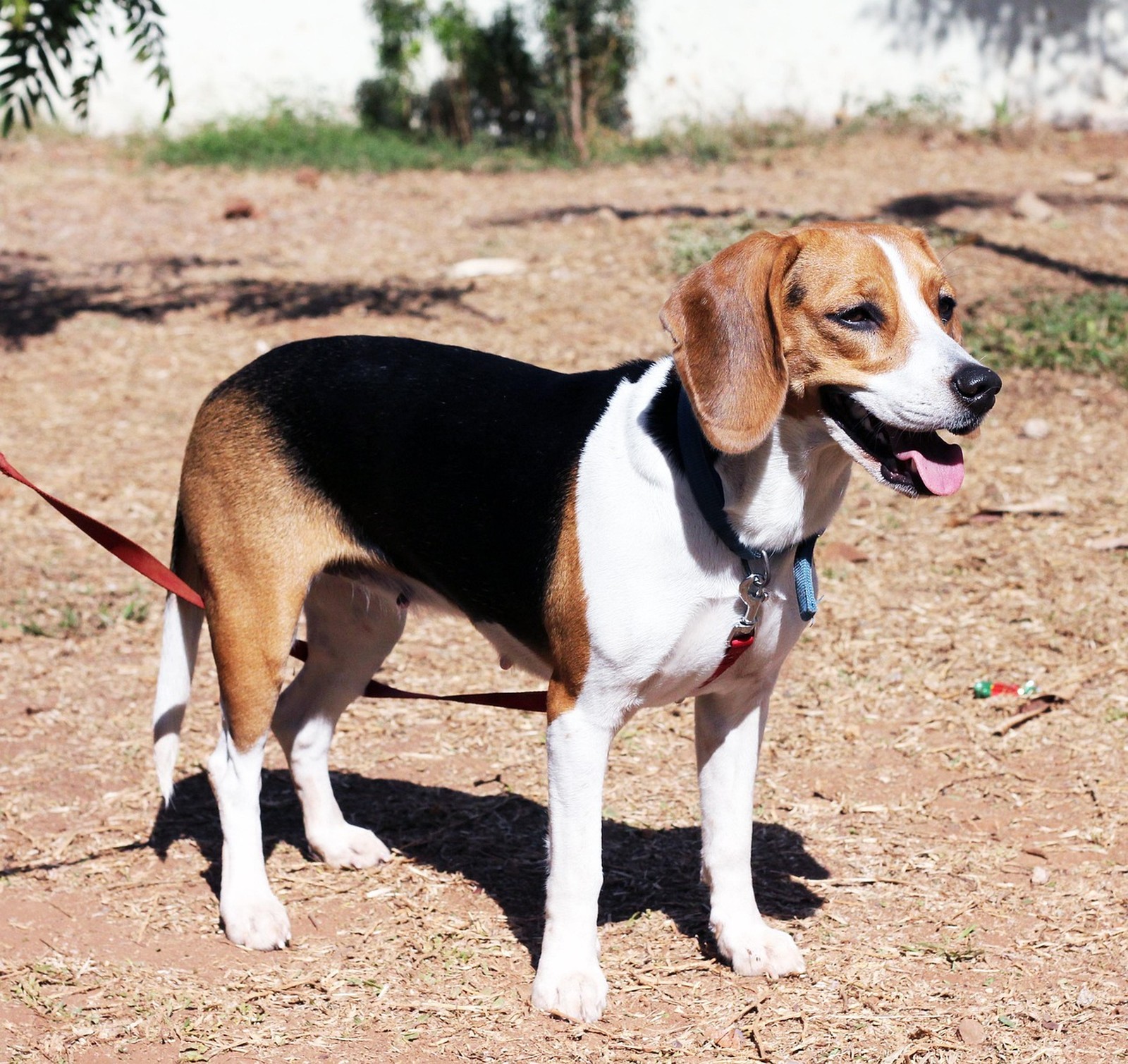
A Beagle Refusing Food Is Talking Louder Than Most Dogs
Every breed has its own baseline, and the Beagle's baseline is enthusiasm. This is a scent hound bred to follow a trail for hours and famous for treating every meal as the day's highlight. So while a fussy toy breed skipping lunch is unremarkable, a Beagle who sniffs his bowl and walks away has departed from character — and departures from character are exactly what owners should notice. It does not automatically mean something serious. It does mean this particular refusal earns a proper think today rather than a shrug.
The Scavenging Explanation, Beagle Edition
Start by auditing his nose's day. Beagles find food that other dogs walk past: the sandwich crust under a park bench, the open bin behind a café, a neighbour's cat food, dropped barbecue pieces in long grass where the scent pooled. A successful scavenger is not refusing dinner because he is ill — he is refusing because, from his perspective, he has already eaten it, possibly several times. Look for supporting evidence: a slightly rounder belly than this morning, enthusiasm for water, normal stools, and his usual cheerful energy. If all of those hold, one light day with close watching is reasonable — while you also tighten supervision, because the same nose will find the same source tomorrow.
The Checks That Matter More in This Breed
Look in his mouth: a hound who mouths everything he finds can lodge a stick fragment across the palate or crack a tooth on something hard, and either makes eating painful while drinking stays comfortable. Watch his stools for the story of what he actually ate — wrappers, corn cobs, and bone fragments all appear, and a dog who strains, produces nothing, or passes very loose stools after a scavenging day needs a vet conversation that day. Note vomiting carefully too, particularly repeated vomiting or retching, because Beagles' indiscriminate eating is their one genuine appetite-related risk.
What Not to Do With a Food-Driven Hound
Resist the cook-to-order response. A Beagle who learns that refusing kibble produces sausages by supper will deploy the lesson expertly and forever. Offer his normal food at the next mealtime, lift what he leaves, and let a genuinely full stomach empty on its own schedule. Equally, do not let the household quietly compensate with treats 'because he hasn't eaten' — with this breed, the treats often explain the refusal, and the day's real intake is far from zero. Weigh treats as part of his food when you tot up the day.
When a Beagle's Refusal Needs the Vet
Call the clinic if he is still refusing tomorrow, and sooner if today brings lethargy in a normally merry dog, repeated vomiting, diarrhoea, drooling, a tense or swollen belly, or any sign he is struggling to pass something he ate. A Beagle who goes off food and seems quieter in himself has given you two changed signals at once, and that combination should never be watched for a third day. Puppies and older Beagles also get a shorter leash on waiting, since both ends of life dehydrate faster. Describing to KinsLe's Kimmy what her nose plausibly found today, and saving that account with her profile, gives your vet the scavenging history that so often explains a Beagle's empty bowl.