
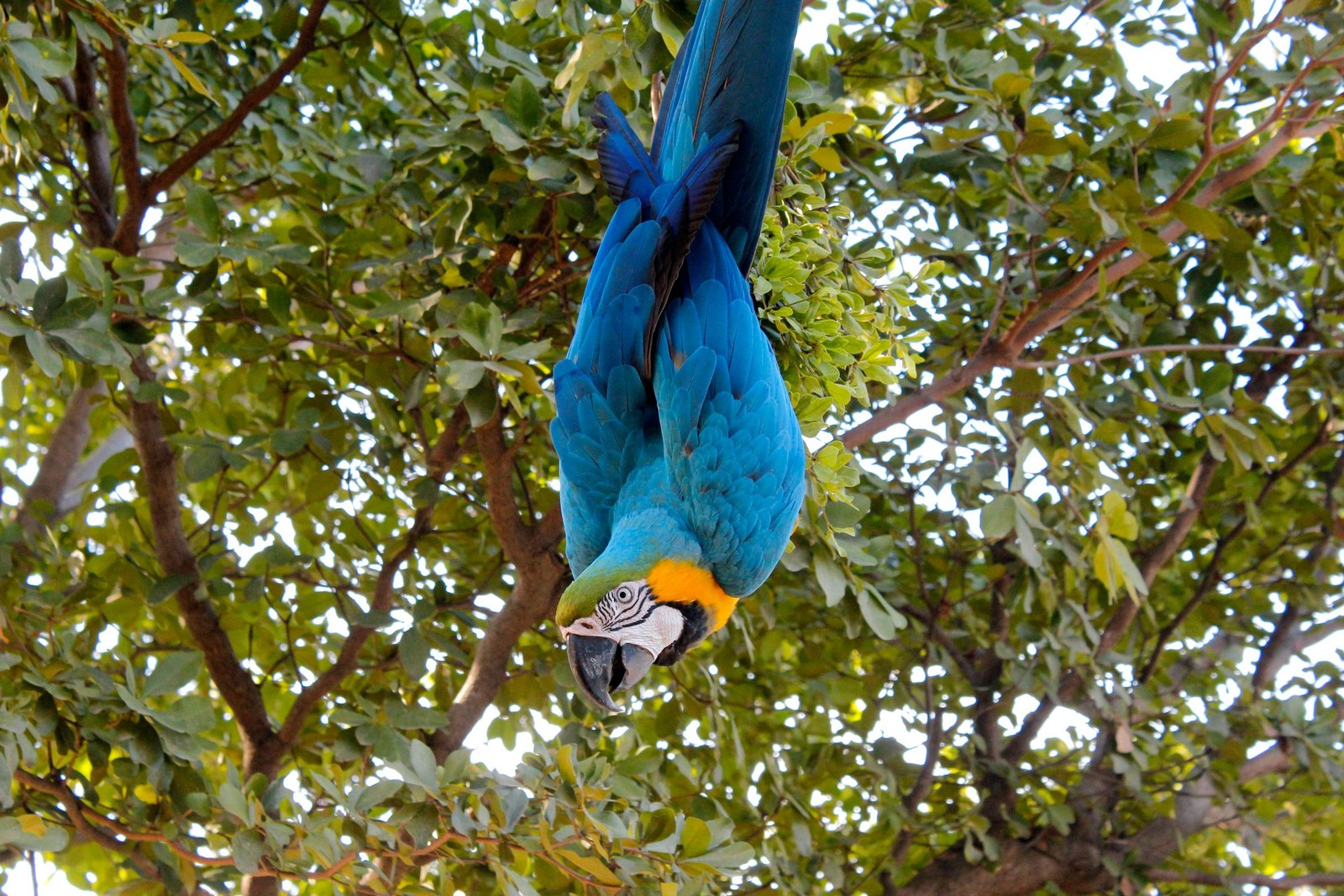
Many parrots naturally choose a favorite person, and jealous behavior — lunging at a partner, biting hands that come too close, screaming when the favorite leaves — usually grows out of that intense single bond combined with too little positive contact with everyone else. In the wild, parrots form powerful pair bonds; in a living room, that devotion can land entirely on one human. The fix is not breaking the bond. It is widening the circle so your bird feels safe with the whole household.
Why One-Person Bonding Happens
Often the favorite is simply the person who feeds, cleans, trains, and spends the most unstructured time with the bird — the bond follows the hours. Problems deepen when that person also provides mate-like contact, such as stroking down the back, snuggling into blankets together, or hand-feeding warm mushy food to an adult bird. Meanwhile, everyone else becomes a stranger who only appears to do scary things like toweling or cage cleaning. Add hormonal seasons, and a normally tolerant bird may start actively guarding its chosen human from rivals it once ignored.
Rebuilding Everyone Else's Reputation
Other family members should become the source of the very best things, in short sessions the bird can opt out of. The non-favorite person delivers the favorite treat — the walnut piece, the bit of almond, the treasured foot toy — and does brief, cheerful training like target practice or a simple wave. Sessions end before tension rises. Nobody reaches for the bird or insists on a step-up; trust is offered, not taken. The favorite person, meanwhile, steps back slightly, letting others handle more of the fun jobs instead of being the bird's entire social world.
Handling Rules That Reduce Jealousy
Keep physical contact in friend-zone territory for everyone: scratches on the head and neck, not full-body stroking. Avoid letting the bird ride on shoulders if face bites are a risk, and keep interactions at predictable places like a play stand where the bird feels secure. When jealousy flares — pinned eyes, flared tail, lunging — calmly end the session and try again later rather than pushing through. Consistency matters: if one person sneaks in the back-stroking the bird loves, the household plan unravels.
A Realistic Timeline
Expect weeks, not days. A cockatiel may warm to a second person within a fortnight of treat deliveries, while a long-bonded macaw may need months of patient, pressure-free contact. Celebrate small wins: accepting a treat without lunging, stepping onto a neutral perch held by someone new, choosing to stay in the room during family time. If aggression is severe, escalating, or drawing blood regularly, an avian behavior consultant is worth the investment — and your veterinarian can rule out pain or hormonal complications contributing to the behavior.
How KinsLe Helps
Socialization fails when it depends on one person's memory, and KinsLe's Family Sharing keeps it a team effort: it is the per-pet care circle where each person can log their treat and training time, see the handling rules, and take a defined role in your bird's routine. That way your bird's widening circle is visible to everyone, and progress is shared rather than left to one favorite human. Family Sharing shows the whole household the handling rules, the head-and-neck scratch limit, and who the bird accepted a walnut from most recently, all on KinsLe, so trust-building stays visible without crowding the favorite person out.