
A Missed Meal in a Dog Who Rarely Misses One
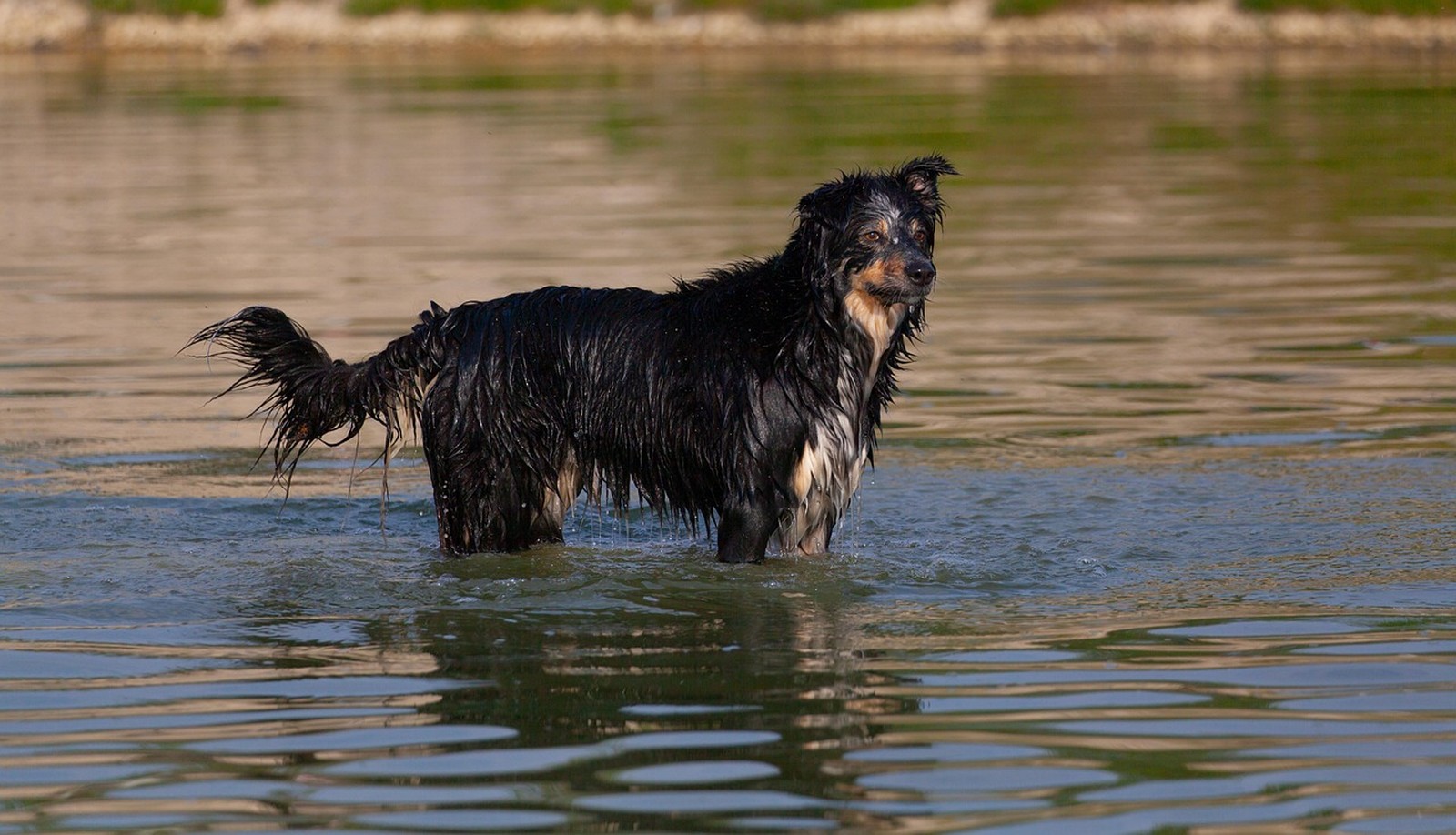
Most Border Collies treat meals as fuel for the next job, so a bowl left untouched today stands out. A single skipped meal in an otherwise bright, drinking, active adult is most often a short-lived response to the previous day rather than the start of something serious. Collies pour enormous energy into work and play, and a dog who ran further, trained longer, or played harder than usual yesterday may simply be tired, overheated, or carrying a mildly unsettled stomach into this morning. Start by reading the whole dog, not just the bowl: eyes bright or dull, posture normal, water going down, and a walk still greeted with enthusiasm.
What Yesterday Can Do to Today's Appetite
Border Collies are routine-driven workers, and changes that look small to you register strongly with them. A moved feeding time, a visitor in the house, a cancelled walk, fireworks the night before, or a car journey can all leave a sensitive collie too unsettled to eat on schedule. Heat matters as well: this breed will keep running long past sensible limits, and a dog who worked in warm weather may drink plenty yet refuse food until she has fully cooled and rested. Scavenging is the other classic collie cause — a dog worked off lead across fields may have eaten something on the move that you never saw, leaving her stomach to deal with it today.
Checks You Can Do at the Bowl and on a Walk
Offer water first and watch whether she drinks normally, because drinking matters more than one missed meal. Look in her mouth for a broken tooth, a stick fragment lodged across the palate, or sore gums, all of which can make a keen dog back away from kibble. Run a hand over her ribs and belly for tenderness, check her stool on the next walk for looseness or anything unusual she may have eaten, and take her temperature only if you know how and she tolerates it calmly. Note whether she will accept a small piece of her usual food from your hand; a collie who refuses hand-fed food too is telling you more than one who is simply unimpressed with breakfast timing.
Resetting the Next Meal Without Creating a Picky Dog
Put the uneaten meal away after about twenty minutes rather than leaving it down, and serve the normal food again at the next scheduled mealtime — grazing access and a parade of tastier substitutes teach a clever collie to hold out for upgrades. Keep exercise gentle today, skip the long training session, and let rest and hydration do their work. Warming the food slightly or adding a splash of warm water can release aroma for a dog whose nose is a little congested, but keep the food itself unchanged so you can tell whether appetite returns on its own. Most one-day collie refusals resolve by the following morning once the trigger, whether heat, excitement, or a mild upset, has passed.
When a Border Collie's Refusal Needs a Vet Promptly
Call your veterinarian today rather than waiting if she also vomits repeatedly, has diarrhea that does not settle, stops drinking, seems painful, or is unusually flat and uninterested in things that normally light her up — a collie who will not work or play is a louder warning than a collie who will not eat. Puppies, seniors, and dogs with known ongoing conditions should be checked sooner, after a single missed day rather than two. Bring the timeline with you: last meal eaten, exercise load, stool changes, and anything she might have scavenged. Having those details gathered in her KinsLe Pet Passport lets the vet see the whole off day at a glance instead of reconstructing it from memory.