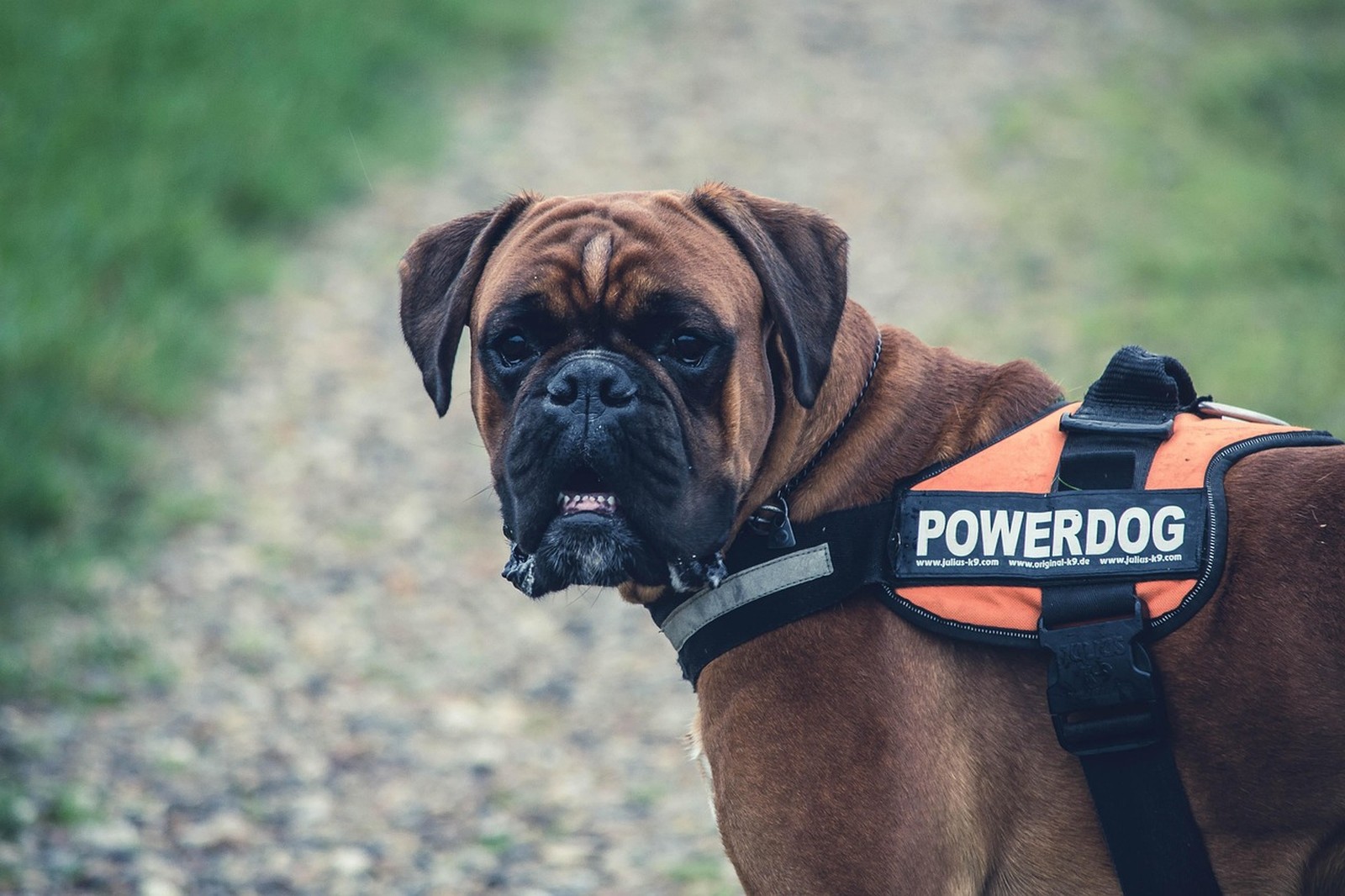
A Food-Driven Breed Turning Away Is Worth a Look
Boxers are exuberant, food-loving dogs, so a bowl ignored today deserves a proper read rather than a shrug. Their digestive systems are among the more sensitive of the large breeds, and a rich chew, a stolen snack, or a meal bolted down in excitement can leave a Boxer nauseous and gassy well into the next day. Heat plays a part too: a deep-chested, short-muzzled dog who charged around in warm weather may need hours of cool rest before food appeals again. Judge the refusal by his whole presentation — a Boxer who is still bouncing, drinking, and begging for your sandwich is usually uncomfortable rather than ill.
The Boxer Stomach: Gas, Gulp, and Yesterday's Menu
Boxers swallow air when they eat fast, ferment rich food readily, and often show yesterday's dietary adventure as today's flatulence, gurgling, and skipped breakfast. Reconstruct the last day: new treats, a chewed stick, bin access, or a well-meaning guest feeding scraps at a barbecue are the usual culprits. Check his stool for looseness and watch for repeated lip-licking, drooling, or grass-eating, which suggest nausea. A dog who passes wind, settles, and then looks hopefully at the evening meal is describing a plain stomach upset. Keep meals small, plain, and on schedule while things settle rather than introducing anything new.
Belly Watching: The Boxer Check That Cannot Wait
Because Boxers are deep-chested, a refused meal paired with abdominal signs is treated differently from simple pickiness. Learn the urgent picture: a belly that looks swollen or drum-tight, repeated retching that brings nothing up, restlessness with pacing and an inability to settle, and drooling. Those signs together mean a veterinary emergency visit immediately, not a wait-until-morning approach. A Boxer who is merely off food but has a soft, comfortable belly, normal breathing, and interest in a walk is in a different category — monitor him at home, keep him calm and cool, and avoid vigorous exercise around mealtimes today.
Getting a Sensitive Boxer Eating Again
Withdraw the uneaten meal after a short wait and represent his normal food at the next scheduled time, slightly warmed to lift the aroma. Resist the rotation of tempting substitutes; a Boxer learns quickly and a fussy streak built in one day can take weeks to undo. Split the day's food into smaller, more frequent meals if gulping and air-swallowing are his pattern, and feed in a quiet corner so excitement does not speed him up. Gentle lead walks are fine, but keep the wrestling and sprinting for another day so his stomach gets the quiet it is asking for. By tomorrow, a simple upset should be visibly turning the corner.
When to Have a Boxer Seen Today
Book a veterinary visit today if the refusal reaches a second day, or sooner if vomiting, diarrhea, blood in stool, marked lethargy, or collapse appear alongside it. Boxers as a breed are also dogs whose lumps, gum growths, and mouth discomfort get checked at routine visits, so if he chews one-sided, drops kibble, or has sore-looking gums, mention the mouth when you call — dental pain is a quiet appetite thief. Puppies and older Boxers have less margin and should be seen after one full day off food. Bring his food history, today's belly observations, and his weight trend from his KinsLe Pet Passport so the examination starts from facts, not guesses.