
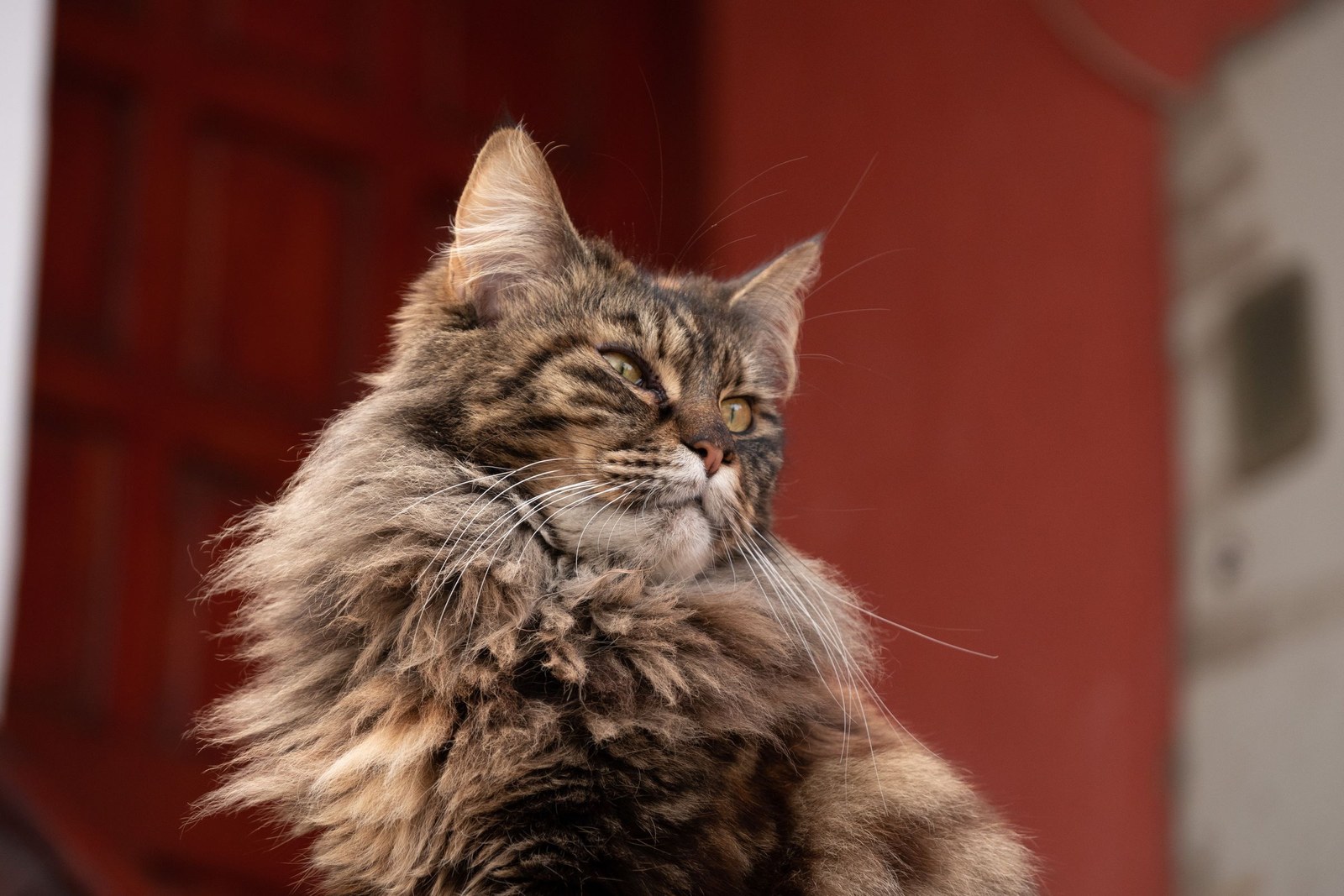
A heavier-than-usual shed is most often seasonal — many cats blow their coats in spring and fall — but sudden heavy shedding paired with bald patches, itching, scabs, or a coat that looks or feels different deserves a veterinary look rather than just a bigger lint roller. Indoor cats complicate the picture, because artificial light and steady indoor temperatures can spread shedding lightly across the whole year, so the question is always whether this is a change from your cat's own normal.
The normal rhythm of a cat's coat
Cats continuously replace old hairs, and longer days in spring typically trigger a bigger release of the dense winter undercoat. Long-haired breeds such as Maine Coons and Ragdolls shed impressively simply because there is more coat to turn over, while a Rex breed sheds far less visibly. Stress can also cause a temporary surge — most owners have seen the cloud of fur a cat releases on the vet's table — and shedding often increases for a few days after a move, a new pet, or building work at home.
Age and life stage matter too. Kittens transition into their adult coat in their first year, and cats may shed more after illness, surgery, or having kittens, as the body redirects resources. A shed that follows a clear event and settles within a few weeks is usually the coat catching up, not a problem in itself.
When shedding points to something else
Book a veterinary appointment if the extra shedding comes with any of these:
- Bald or thinning patches, especially symmetrical ones or over the back and tail base
- Itching, scratching, licking, or chewing at the skin
- Redness, flakes, scabs, bumps, or a greasy or dull coat
- Shedding plus weight change, appetite change, or unusual tiredness
- Hair coming out in clumps when you stroke her
Possible causes your vet may explore include fleas or other parasites, allergies, skin infection, pain that stops a cat grooming a particular area, and underlying illness — which is why guessing and treating at home can waste valuable time. Bring notes on when it started, what your cat eats, and any new products, foods, or stressors in the home; that timeline genuinely helps.
Managing the fur in the meantime
Brushing during heavy shed weeks is the single most effective thing you can do: it removes loose hair before it lands on furniture or gets swallowed during grooming, which also means fewer hairballs. Match the tool to the coat — a slicker brush or undercoat tool for thick double coats, a soft brush or grooming mitt for short, fine coats — and keep sessions short and pleasant. A few minutes most days beats one long session your cat resents.
Support the coat from the inside with a complete, balanced diet and constant access to fresh water; avoid adding supplements or switching foods on a hunch unless your vet suggests it, since sudden diet changes cause their own problems. Vacuum favourite sleeping spots frequently during peak weeks, and wash bedding so loose hair and dander do not build up.
Staying ahead of shed season
Shedding creeps up gradually, which is exactly why it catches people out — by the time the sofa is coated, you are weeks behind on brushing. That is where asking Kimmy questions inside KinsLe earns its keep: how often a double coat needs brushing, whether clumps coming out as you stroke her mean a sooner vet visit, or how a seasonal surge differs from patchy loss. Kimmy fields your shedding-season follow-ups in KinsLe — whether a bald patch still counts as seasonal, say — with responses drawn from KinsLe Answers' library.