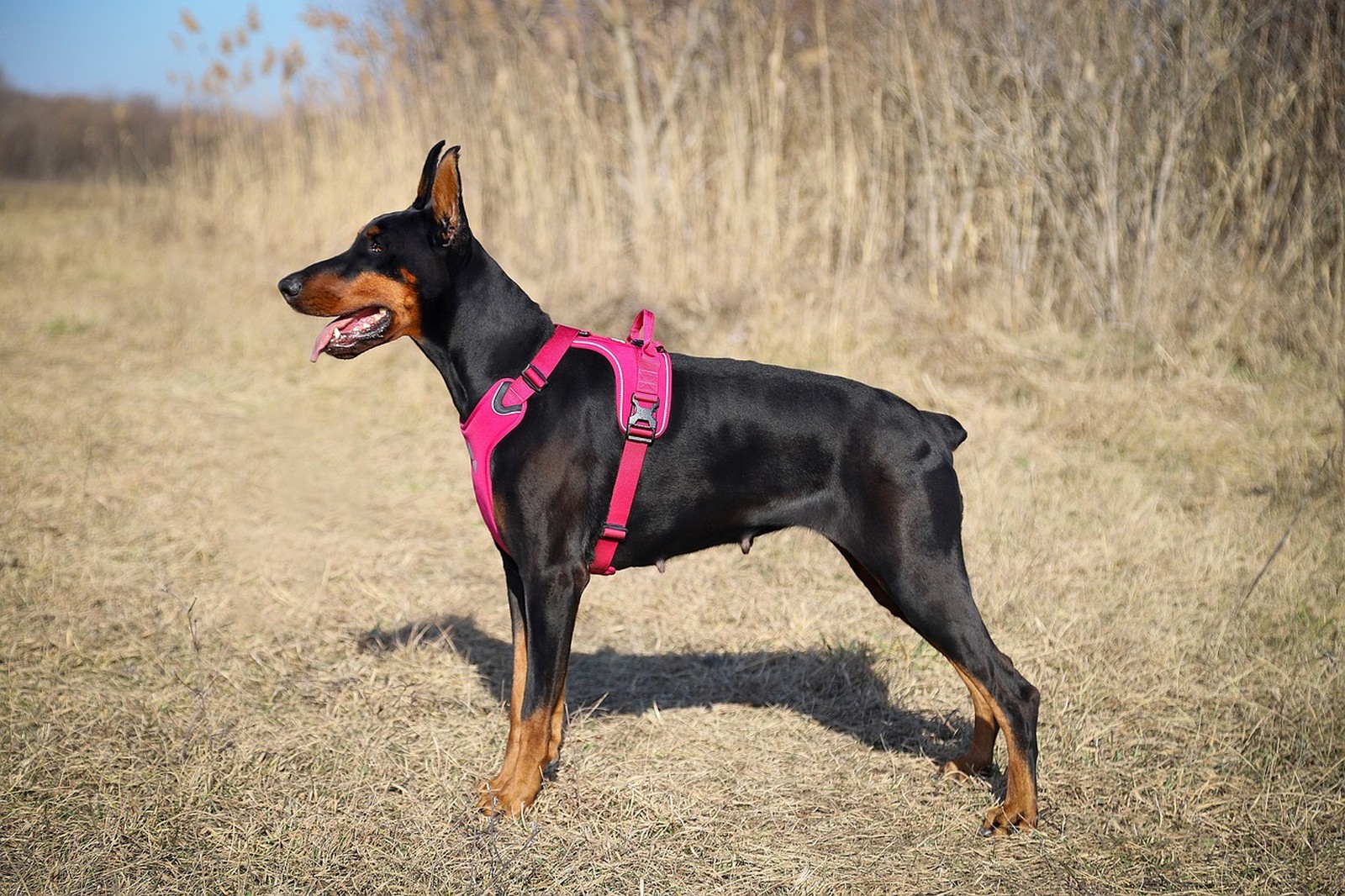
An Athlete's Appetite Has Athletic Causes
Dobermans are lean, intense working dogs whose appetites rise and fall with exertion more visibly than a couch breed's would. A dog who trained hard, ran long, or worked in heat yesterday may eat lightly or not at all this morning while his body recovers, especially if he drank deeply and slept hard. Stress registers too: Dobermans bond tightly to their people, and a household absence, a new environment, or a broken routine can suppress a sensitive dog's appetite for a day. Read the refusal against his energy — a Doberman who is bright, hydrated, and pulling toward his walk is recovering, while a flat one is asking a different question.
Stomach Upsets in a Fast-Eating Breed
Dobermans tend to eat quickly and enthusiastically, and a bolted meal, rich scraps, or something scavenged on a run can produce nausea that peaks at the next mealtime. Watch for lip-licking, drooling, grass-eating, restlessness, and a stool that loosens over the day. Keep food plain and unchanged while things settle, serve smaller portions more slowly, and separate meals from vigorous exercise by a comfortable margin on both sides — a full stomach and hard running are poor partners in any large, deep-chested dog. Most simple upsets declare themselves by improving steadily within a day.
The Deep-Chest Check Every Doberman Owner Should Know
Like other deep-chested breeds, Dobermans carry a risk that turns a refused meal into an emergency picture when specific signs combine. A swollen or tight-feeling abdomen, repeated retching that produces nothing, pacing and an inability to settle, and drooling together mean get to a veterinarian immediately — minutes matter with that combination. A soft, comfortable belly, normal breathing, and a dog who settles for a nap place him back in the monitor-at-home category. Learn the difference on a calm day like today, keep him quiet and unhurried around meals, and never let a distended, restless dog wait until morning to be seen.
Mouth, Mood, and the Quiet Causes
If his belly is comfortable and his stomach seems settled, check his mouth: a cracked tooth, a stick injury across the palate, or sore gums can put a powerful dog off chewing. Watch whether he takes soft food but avoids hard kibble, or drops pieces he would normally crunch. Also weigh the emotional ledger honestly — Dobermans are velcro dogs, and a dog pining after an absent owner or unsettled by building work may simply need routine, calm company, and time more than menu changes. Keep feeding times, places, and food exactly as normal so that returning appetite is easy to recognise when it comes.
When a Doberman Needs the Vet Today
Call the veterinarian if he is still off food tomorrow, and today if refusal comes with repeated vomiting, diarrhea, marked lethargy, weakness, pale gums, or any of the abdominal emergency signs described above. Older Dobermans, and any dog whose appetite fades gradually over several days alongside weight loss or reduced stamina on walks, should be booked in rather than watched — slow changes in this breed reward early investigation. Puppies off food with low energy also go in sooner. Arrive with his exercise load, last full meal, stool notes, and weight trend assembled in his KinsLe Pet Passport, so the vet starts from a record instead of a recollection.