
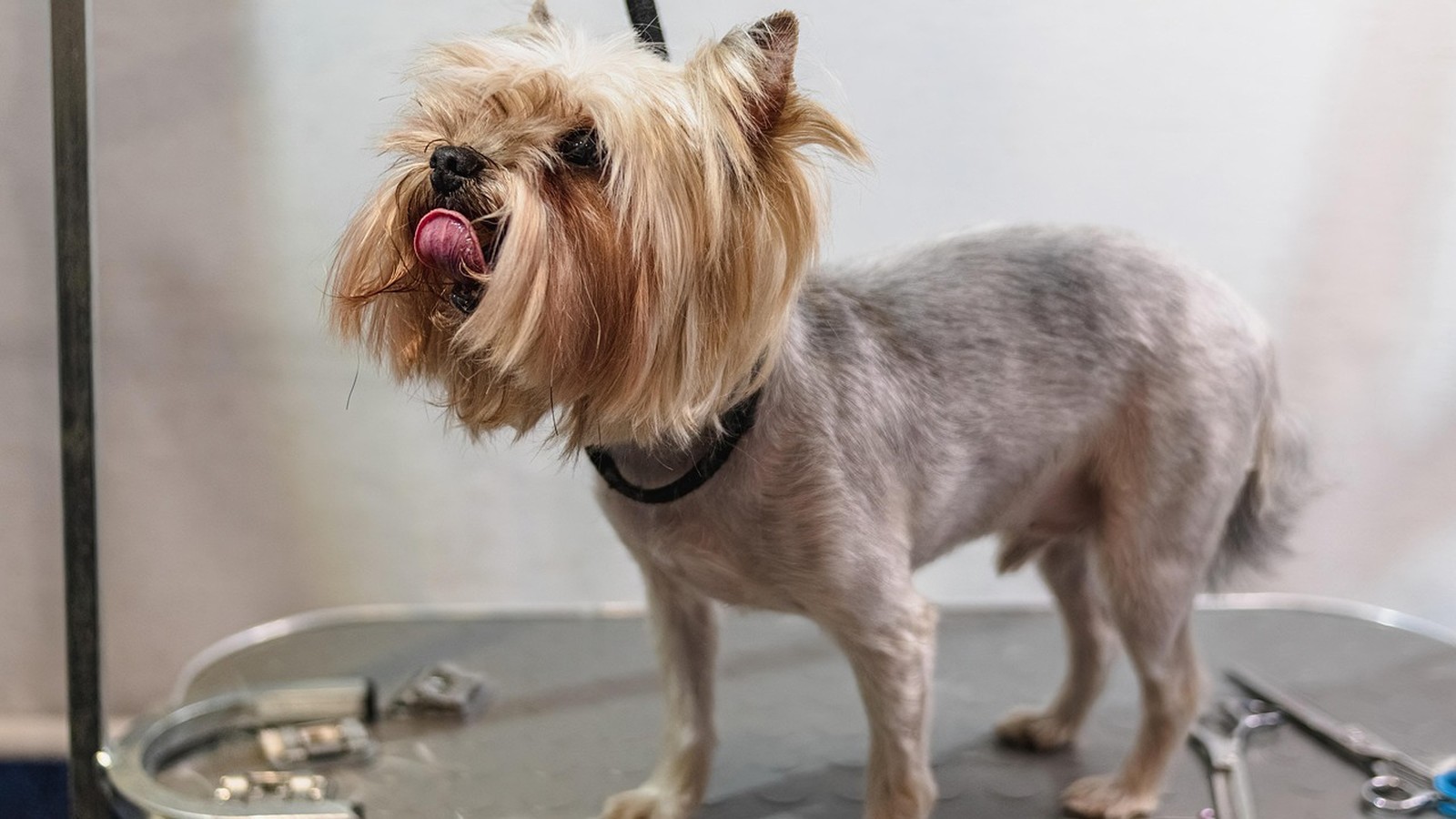
First, Picture What Normal Heavy Shedding Looks Like
Dogs replace coat continuously, and many breeds — especially double-coated ones — periodically shed the entire undercoat in a dramatic few weeks that can fill a brush daily and still be completely healthy. Seasonal light and temperature shifts trigger it, and centrally heated homes blur the calendar so heavily that some indoor dogs shed hard twice a year or trickle all year. During a normal blow, the skin underneath stays calm and pale, new coat is visibly growing through, and the dog is comfortable and largely unbothered. If that is the picture in front of you, your job is brushing, lint rollers, and patience rather than worry.
Stress, Life Changes, and the Delayed Shed
Coat growth runs on a cycle that stress can interrupt, and the bill often arrives weeks later as a sudden heavy shed. A house move, a new baby or pet, kennel stays, an illness, an operation, or a season of fireworks can all push many hairs into the shedding phase at once, so the heavy loss you see today may belong to an event from a while back. Shedding after whelping and nursing is also normal in mother dogs as hormones settle. This kind of shed is even across the body, the skin looks healthy, and it burns itself out over a few weeks as the new coat establishes — which is why noting life events alongside coat changes is so useful.
When Shedding Is the Skin Talking
Shedding stops being a coat story when the skin joins in. Itching, scratching, chewing at paws or flanks, redness, flaky or greasy patches, a yeasty smell, or hair coming away in clumps that leave thin or bald areas point to skin irritation, parasites, or infection being worked out through the coat. Check the classic zones closely: belly, armpits, base of the tail, ears, and between the toes. Flea dirt at the tail base, even without a flea in sight, is a common finding behind a sudden shed-and-scratch. Localised patches — one flank, one leg — deserve more suspicion than an even, whole-body loss.
Food, Grooming, and Supporting the Coat at Home
A coat is built from what a dog eats, and shedding that follows a food change, a long stretch of poor-quality feeding, or a generally dull, dry coat is worth reviewing at the next vet visit rather than supplementing blindly. At home, regular brushing during a heavy shed removes loose hair before it mats or spreads, bathing should be occasional and gentle so you do not strip the coat, and sudden baldness is never a grooming problem to scrub at. Keep the routine simple and consistent for a few weeks, watch whether new growth looks glossy, and resist stacking new products — you cannot tell what helped, and irritated skin would rather be left alone.
Thresholds for Having Heavy Shedding Examined
Book a veterinary visit if shedding comes with bald patches, sores, strong odour, relentless itching, or hair that does not regrow, and sooner if she is also drinking more, gaining or losing weight, slowing down, or seems unlike herself — coat changes ride along with several body-wide conditions that only an examination and tests can sort out. Take note of when the shed started, any life changes or food changes before it, and where on the body it is worst. Bringing dated coat photos and that timeline from her KinsLe Pet Passport saves the vet guesswork and often shortens the path to the cause.