
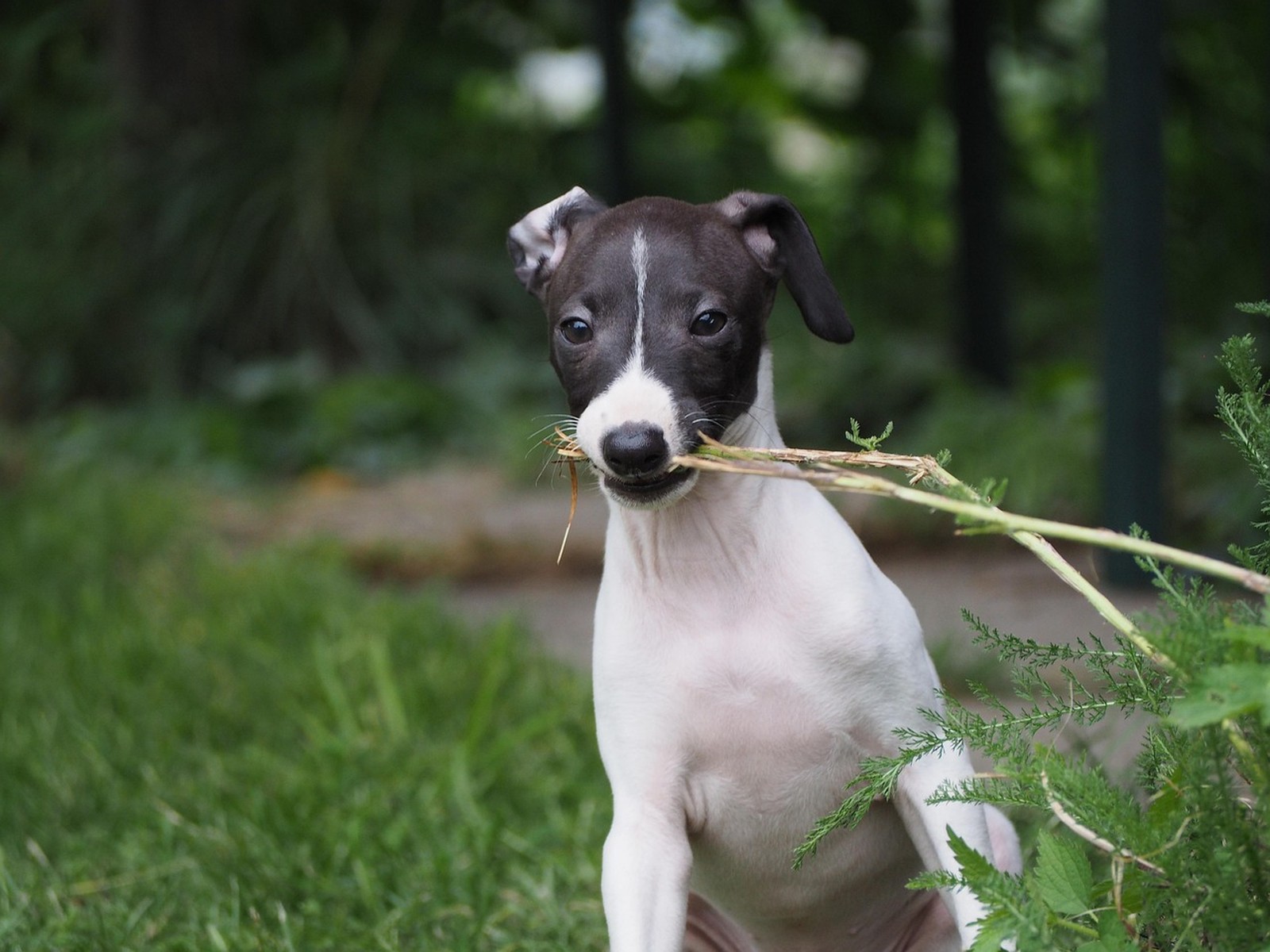
Little dog, shorter watching window
Italian Greyhounds are delicate in the literal sense: fine bones, almost no body fat, a fast metabolism, and feelings worn entirely on the surface. When an Iggy refuses food, the same one-day pause that means little in a Labrador deserves more respect, because a dog this small has far less in reserve and can slide from off her food to weak and wobbly faster than owners expect.
Start by separating the breed's normal drama from real change. Many Italian Greyhounds tremble when chilly, excited, or anxious, refuse a meal after a household disruption, and then eat perfectly well curled in a warm lap by evening. An Iggy who is trembling and also listless, hiding, vomiting, or refusing water is not doing breed theatre; she is unwell.
Cold, stress, and a notoriously sore mouth
Cold is an everyday appetite thief in this breed. An Iggy who has been in a draughty room, out in wind without a coat, or simply unable to find a warm burrow spot may shut down eating until she is properly warm again. Warm the dog before you judge the appetite: blanket, warm room, a familiar lap, then offer food again.
Stress runs a close second. Italian Greyhounds attach intensely to their people, and visitors, travel, a new pet, building noise, or an owner away overnight can take meals off a sensitive dog for a day. A dog who eats once the house is quiet and her person is home has explained herself.
Teeth are the breed's known weak point. Small jaws crowd teeth, tartar builds early, and mouth pain is extremely common in Italian Greyhounds, including young adults. Pawing at the mouth, dropping tiny kibble, chewing gingerly on one side, new bad breath, or interest in food that dies at the first bite all point at the mouth rather than the stomach.
Caring for her through today
Warmth, quiet, and closeness first. Offer water where she is resting rather than expecting trips across a cold floor, and try a small portion of her usual food once she is warm and settled. For a dog this size, little and often is a better test than one large bowl she must face alone in the kitchen.
Weigh her if you have a kitchen scale routine, or at least note how her ribs and spine feel compared with last week; in a dog of only a few pounds, small weight losses show quickly and matter. Check the mouth gently for red gums or a loose tooth, and watch for vomiting, diarrhoea, or a pot-bellied, uncomfortable stance.
Do not let a whole day pass in a very young, elderly, or especially tiny Iggy without advice, even if she seems merely quiet. Small dogs fade quietly, and earlier is genuinely better with this breed.
When to call the vet today
Weakness, wobbliness, unusual sleepiness, repeated vomiting, diarrhoea, refusal of water as well as food, or trembling that continues once she is warm and held all warrant a call today. A whole day with no food at all in an Italian Greyhound is itself a reason to phone, without waiting for a second day to prove the point.
Suspected mouth pain deserves a booked visit rather than home experiments: dental problems in this breed do not resolve on their own, and a dog quietly skipping meals around sore teeth loses condition while owners wait for her to come round.
Take the numbers with you: her usual weight, when she last ate and drank, and how her energy compares with her normal shadow-like following of you around the house. Keeping those details current in KinsLe's Pet Passport means a vet can see at a glance how far today sits from her tiny normal.