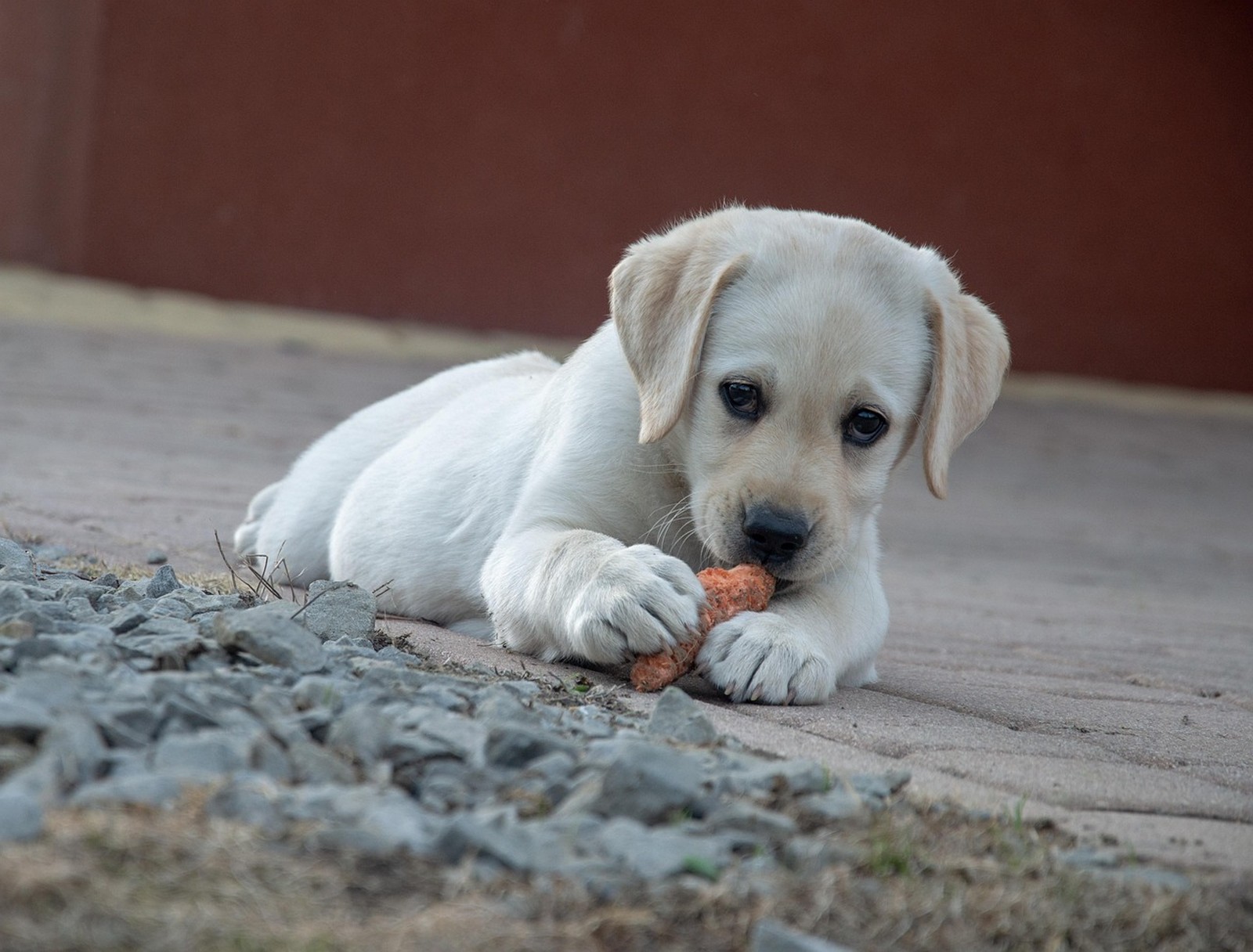
The breed where a refused bowl rings loudest
Labrador Retrievers have a genetic and entirely earned reputation for bottomless appetite. A Lab who leaves breakfast standing is therefore not being discerning; something has interrupted one of the strongest drives he has. That something is often stomach-related, frequently self-inflicted through scavenging, and occasionally serious in the specific way that only a dog who swallows first and evaluates later can manage.
Read the rest of him before you panic. A Lab who is wagging, drinking, demanding the garden, and passing normal stools may simply have a gut full of yesterday's discovery working its way through. A Lab who is quiet, drooling, retching, or guarding his belly has moved out of the wait-and-see group.
What Labradors do to their own appetites
Scavenging is the breed's hobby and its hazard. Rich food waste, fatty scraps, cooking oil, dead things on walks, and an entire unguarded roast have all ended in a Labrador skipping the next meal with a gurgling, uncomfortable stomach. Loose stools and spectacular flatulence often complete the picture.
Swallowed objects are the sharper worry. Socks, stones, corn cobs, toy parts, plastic, and bones can lodge where food needs to pass, and the early picture is often just a dog off his food with some drooling, lip-licking, occasional vomiting, and restlessness. Owners regularly remember the missing item only after the vet asks, so ask yourself early: what has vanished, and what did he get into on the last two walks?
Other causes exist beyond the gut. Dental pain from a cracked chewing tooth, ear pain, joint pain in an older Lab making the trip to the bowl area miserable, heat, or a genuinely unwell day with an infection brewing can all show first as a refused meal in a breed that hides very little else.
Today's checks, in a useful order
Inventory first, then dog. Walk the house and garden for missing socks, chewed toys with pieces gone, opened bins, and emptied wrappers. Then check the dog: gums moist and pink, belly soft or tense, ears smelling clean, mouth comfortable, and his willingness to move, climb, and greet as usual.
Offer water freely and his normal food again at the next mealtime, in the normal place, without upgrades. A Lab who refuses kibble but polishes off sausage has given you behavioural information; a Lab who refuses both, in a breed like this, has given you medical information. Believe the second answer.
Record the day properly: time of last full meal, any vomiting and what was in it, stool appearance, water intake, and your missing-item suspicions. With Labradors, the object history is often the diagnosis shortcut, and it fades from memory embarrassingly fast.
Vet thresholds for a food-obsessed breed
Call today if there is repeated vomiting, retching that produces nothing, drooling with pacing, a tight or swelling belly, known or suspected swallowing of an object, black stools, blood in vomit or stool, or refusal of water. Those signs in a Labrador justify urgency without any apology for overreacting.
A Lab who eats nothing for a full day while also being subdued, or who is still refusing tomorrow even if brighter, needs an examination. Older Labs deserve the shorter leash on waiting: appetite loss in a senior can be the first visible sign of problems that reward early catching.
Photograph the chewed remains of anything suspect before you bin them; a picture stored in KinsLe's Pet Passport can identify an object faster than a verbal description at the desk.