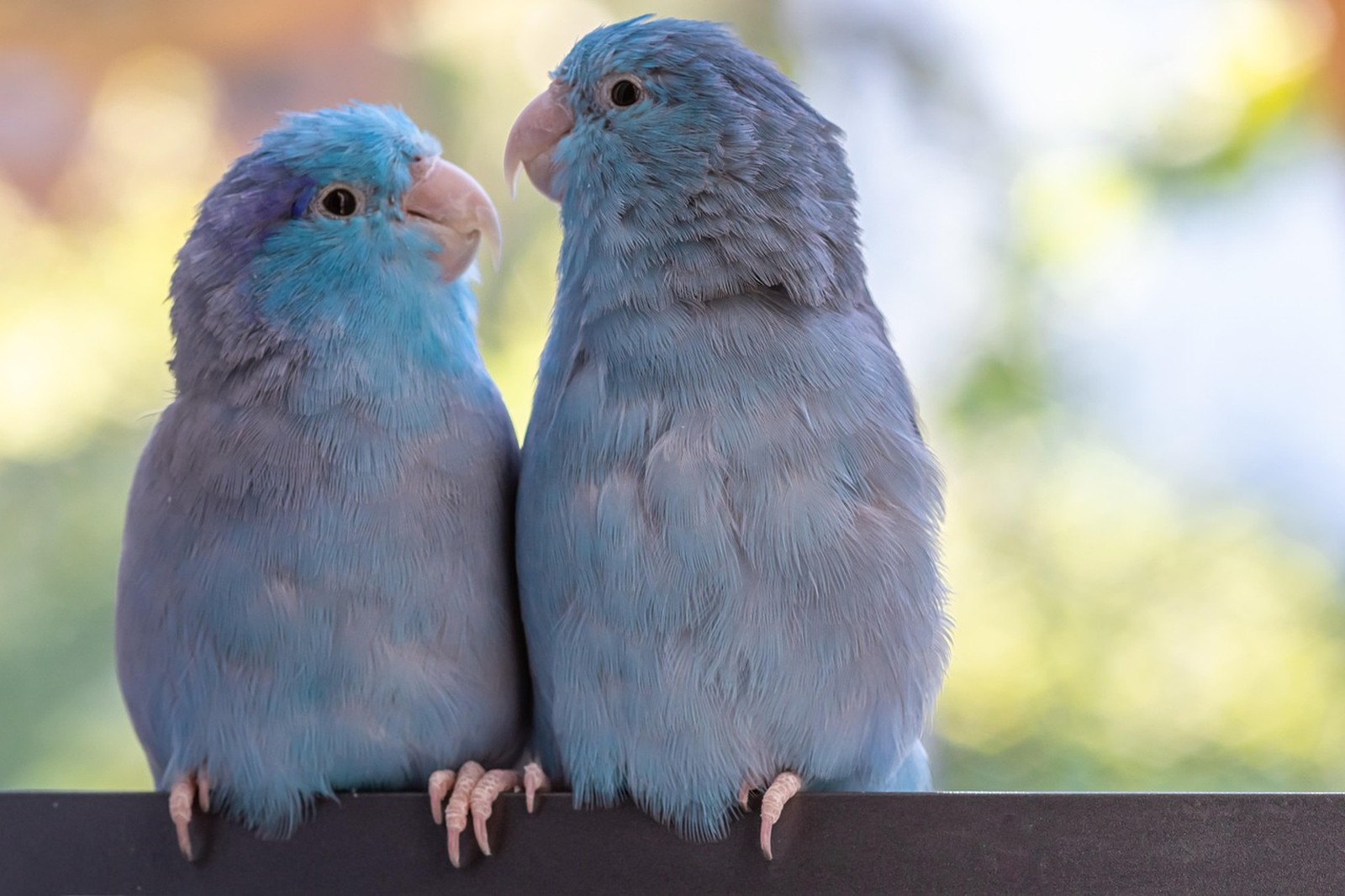
Feather plucking and barbering, where a parrotlet chews and frays its own feathers, tend to follow a timetable in many homes: the bird is fine during the busy morning, fine again in the social evening, and damages feathers during the long quiet afternoon between. That pattern is a clue, but it is not a diagnosis, and the order in which you respond matters more than any single change.
The Vet Check Comes First
Feather damage has possible medical causes, so an avian vet check comes first or runs alongside any behavior work, never after months of it. Skin and feather conditions, irritation, and internal problems are all possibilities a vet investigates with an examination and the bird's history, and no amount of new toys resolves a physical cause. A bird who is also eating differently, quieter than usual, or changing droppings needs that visit promptly rather than at the next convenient opening.
Reading the Quiet Afternoon
With medical causes being checked, the behavioral layer comes into focus. Parrotlets are social, busy birds, and a long, silent, solitary afternoon offers a small flock animal almost nothing: no foraging to do, no company to track, no events to respond to. Boredom and loneliness are the causes owners and vets commonly work on in this pattern because a bird chewing its feathers in an empty afternoon is often a bird filling time with the only material available.
Make Food Something to Work For
The strongest change is usually foraging that lasts. A bowl delivers the day's food in minutes; a foraging setup delivers it across hours. Hide pieces of the normal diet in folded paper, woven through safe cage materials, tucked into toys designed to be pulled apart, and placed in several spots so the bird travels and searches. The aim is a cage that still contains work at midafternoon, when the plucking usually starts, rather than a cage emptied of interest by noon.
Toys, Structure, and Shorter Alone Time
Rotate toys on a rhythm rather than presenting a permanent, ignored collection: a few in the cage, the rest stored, swapped so familiar toys return as novelties. Give the day a structure the bird can anticipate, with light and activity rising in the morning, interaction peaks in the morning and evening when the household is naturally present, and a calm, dim wind-down at night. Parrotlet sleep should stay long and dark, commonly 10 to 12 hours, since a short or broken night leaves a bird less able to cope with a dull day.
Then shorten or break up the alone stretch itself. Moving the cage into the household's active room helps on days people are home in other rooms, and background sound such as a radio can soften the silence, though it is company of a thin kind. A genuine midday check-in, a few minutes of interaction and a fresh foraging piece, divides one long absence into two shorter ones, which many birds handle far better.
The household plan matters because afternoons are where good intentions fail. The enrichment plan in the Care Teams schedule on KinsLe assigns who rotates the toys, who sets the morning foraging, and who covers the midday check-in, with the bird's feather condition noted so changes are visible week to week.
What Never Helps
Scolding is out, firmly. A parrotlet cannot connect a scolding with feather chewing done hours earlier, and angry attention can reward the behavior or add fear to boredom. Bitter sprays and similar deterrents are likewise skipped: they treat the feather rather than the afternoon, and a determined bird chews through them anyway. The work that helps is slower and less dramatic: check the body first, then rebuild the afternoon until it holds the bird's attention better than its own feathers do.
Writing who rotates the toys, who breaks up the quiet afternoon, and what changed in the feathers into the Care Teams plan on KinsLe keeps the response steady instead of improvised.