
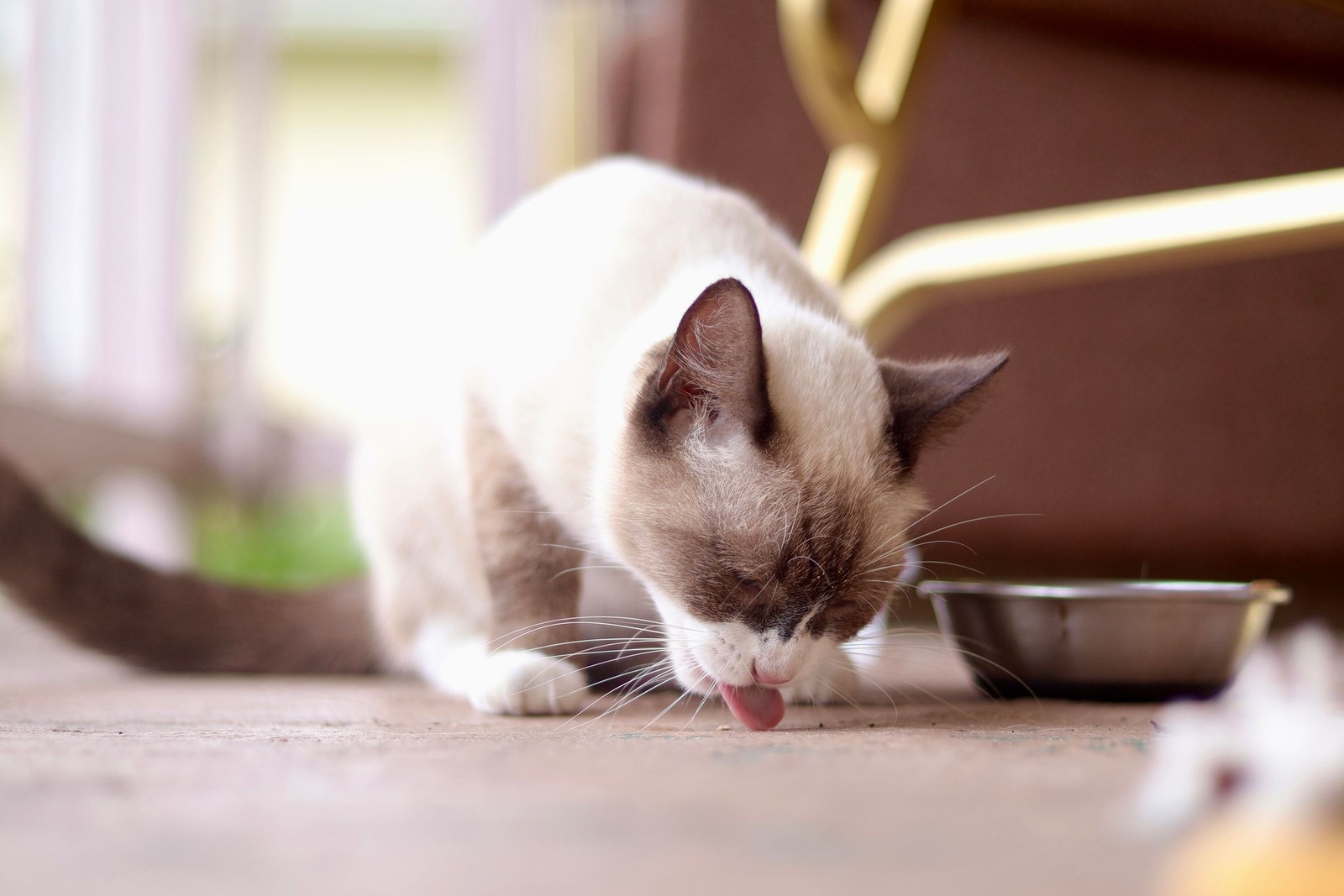
If your senior cat is leaving food in the bowl, take it seriously — in an older cat, eating less is a signal to investigate, not just a quirk of age. A small dip during a hot spell is different from two or three days of picking, sniffing and walking away, or skipping meals she used to wait for. When the change lasts more than a day, is getting worse, or comes with weight loss, hiding, vomiting or drinking more, book a vet visit promptly.
Why appetite fades in older cats
Several ordinary changes stack up after about 11 years. Smell and taste dull, so food that once smelled irresistible now registers as bland. Dental discomfort is very common — worn teeth, sore gums and resorptive lesions can make chewing painful, especially dry kibble, even when a cat still begs at mealtime. Nausea, constipation, hairballs and stress from a house move, a new pet or a changed routine can also suppress hunger. Other times reduced appetite points to an underlying health issue that only bloodwork and an exam can sort out, which is why your veterinarian, not guesswork, should lead the diagnosis.
Simple ways to make food appealing again
Start with aroma. Warm wet food for a few seconds so it smells stronger — it should be lukewarm, never hot — and serve it on a wide, shallow dish so whiskers do not brush the sides. Offer food in a quiet, familiar spot away from the litter area and from bolder pets who might hover.
Try smaller, more frequent meals instead of two large ones. Many senior cats will happily eat a tablespoon of a fresh portion four or five times a day when a full bowl overwhelms them. Lift uneaten wet food after 30 minutes, refresh water daily, and note what she actually ate, not just what you put down. Hand-feeding a few bites can restart interest, but do not rely on treats to replace balanced meals, and ask your vet before switching to a senior formula, appetite stimulant or new protein.
What to track before the vet visit
Keep a simple five-day log: food offered, approximate amount eaten, water intake, litter output, vomiting, and energy. Note whether she approaches the bowl eagerly then drops kibble, chews on one side, paws at her mouth, or meows but will not eat — those details help your vet distinguish pain from nausea or simple fussiness. Weigh her weekly if she tolerates the scale and write it down.
Bring any medication list and mention recent changes at home. Do not wait hoping hunger will return on its own if she has eaten almost nothing for 24 hours; cats, especially overweight ones, should not go prolonged periods without food. Call sooner for a diabetic cat, a cat on medication that must be taken with food, or any cat who also stops drinking.
How Care Teams keep small meals from being missed
If your vet recommends smaller, more frequent feeds, the challenge quickly becomes logistics. KinsLe's Care Teams lets you assign feeding duties to family members with the specific time, portion and food noted for that pet, and each completed feed is marked with a timestamp. One person can cover the morning mini-meal, another the lunch top-up and another the evening bowl, so no one assumes someone else already fed her and no meal is accidentally doubled.
That shared record also makes the appetite log more honest, because the person who fed her records what was actually eaten. Care Teams on KinsLe holds that written schedule together — the early mini-meal assigned to one household member by name, the lunchtime portion to a second, and the last bowl of the day to a third — with a timestamped completion entered by whoever fed her, showing exactly what she ate and when.