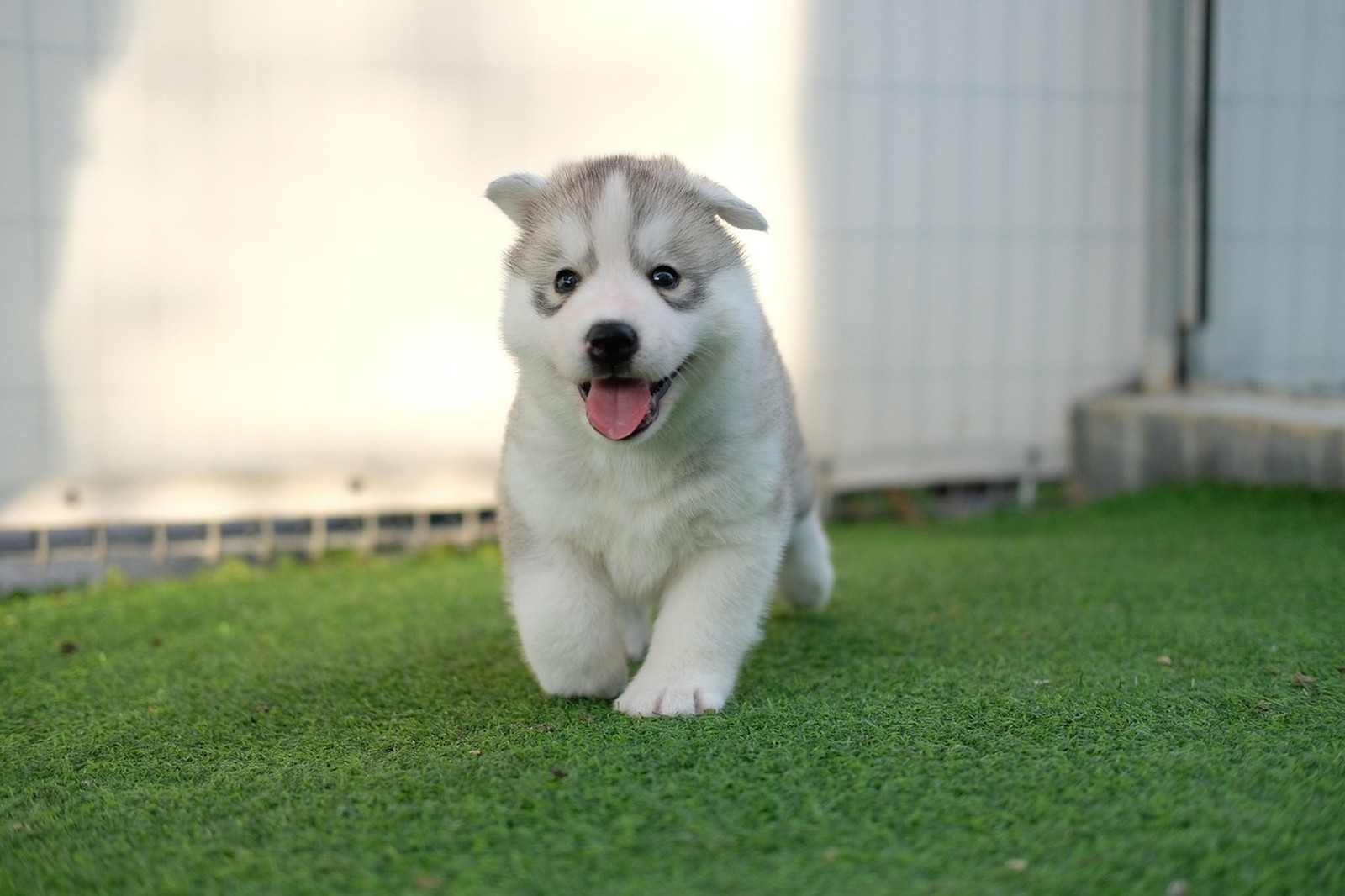
Huskies run on less than you expect
Few things worry a new Husky owner like the untouched bowl, yet this breed's metabolism is famously economical: generations of sled work produced dogs who maintain condition on far less food than their size suggests. A healthy adult Husky who skips a meal — especially in warm weather or after a quiet day — is often simply not hungry, and his appetite typically rises and falls with how much work his body has actually done. The skill is knowing this breed's normal rhythm well enough to spot the day it genuinely changes.
Why appetite dips in a healthy Husky
Heat is the biggest everyday factor: a double-coated arctic breed eats noticeably less as temperatures climb, often shifting interest to the cooler evening. Exercise is the other dial — a Husky who missed his run may leave dinner, then eat double after a long outing tomorrow. Some Huskies are also quietly picky about a stale or changed food, and entire dogs may go off meals when a nearby female is in season. As long as weight, energy, coat, and enthusiasm for life stay normal, these fluctuations are the breed working as designed.
Telling Husky normal from Husky unwell
Judge the dog in front of you, not the bowl. A Husky who is still vocal, mischievous, keen for a walk, and drinking well is rarely a sick dog, however theatrical his disdain for kibble looks. Concern rises when refusal comes with lethargy, hiding, repeated vomiting, diarrhoea, drooling, a painful or bloated belly, or disinterest in things he normally loves. Check his mouth for a sore tooth if he approaches food then backs off, and think about access to bins, chews, or objects he might have swallowed during his usual counter-surfing patrols.
Feeding a self-regulating Husky sensibly
Resist topping the bowl with ever-richer extras to tempt him — you will teach a clever dog to wait you out, and sudden rich food can cause the very stomach upset you fear. Keep set mealtimes, offer his normal food, lift what is left, and let a big exercise day naturally rebuild his appetite. Feed after exercise rather than immediately before hard running, keep fresh water everywhere in warm weather, and track his body condition by ribs and waist rather than by how eagerly any single meal disappears.
When a Husky skipping food needs the vet
See your vet if he eats nothing for more than a day or two despite normal conditions, refuses water, loses visible weight, or shows vomiting, diarrhoea, pain, or unusual quietness. Puppies who skip repeated meals, seniors, and dogs with existing conditions should be checked promptly rather than watched. A Husky who stops eating and stops wanting to run has departed from breed normal in a way that deserves examination, and swallowed objects or a swollen, retching belly make that visit urgent.
Appetite makes sense next to activity
For this breed, a food diary alone misleads — the same skipped meal means one thing after a lazy hot day and another after a long run in the cold. Recording meals alongside exercise, weather, and body condition turns scattered impressions into a rhythm you can show, not just describe. Keeping that combined log in KinsLe's Pet Passport lets your vet see your Husky's appetite in context at a glance, instead of judging one worried day in isolation.