
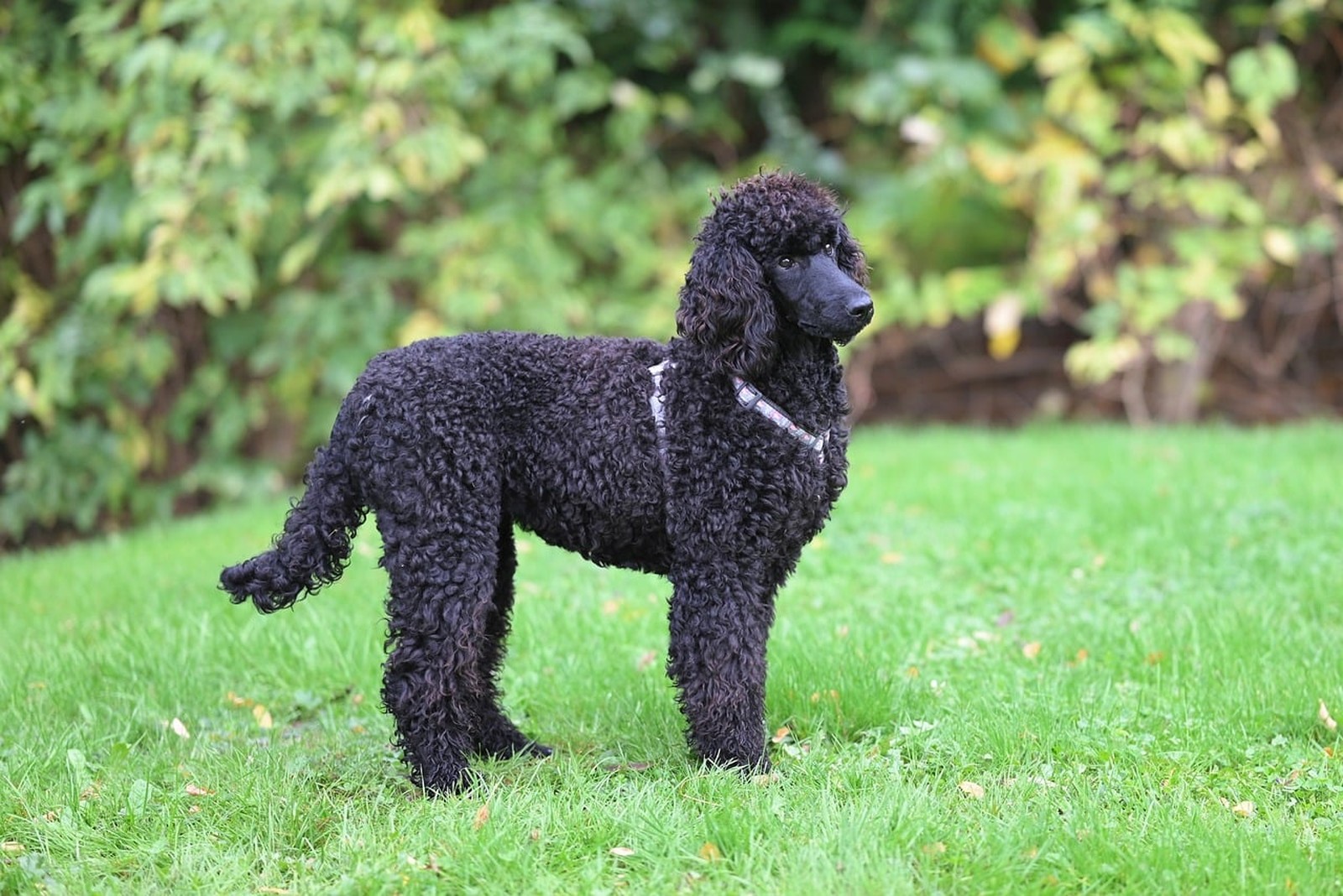
Standards are discerning — until they are not
Standard Poodles carry a reputation as fussy eaters, and there is truth in it: many are light eaters with sensitive digestion who would rather skip a meal than eat something that does not appeal. A bright Standard who sniffs breakfast, declines it, and then happily joins a walk may be doing nothing unusual. But this is also a large, deep-chested breed, and the same symptom — no appetite — can be the first quiet sign of a serious belly problem. Today is about reading which of those two stories your dog is telling.
Everyday reasons a Standard Poodle skips a meal
A mild digestive upset is common in the breed, triggered by a rich treat, a scavenged mouthful, a sudden food change, or even an exciting, disrupted day. Dental discomfort can also be behind a refusal — look for slower eating, dropped kibble, or a preference for softer food. Some Standards eat less in hot weather, after travel, or when the household routine shifts, and intelligent dogs quickly learn that waiting produces tastier offerings if owners keep upgrading the bowl. A single light day with normal drinking, energy, and stool usually belongs in this everyday category.
The checks that separate fussy from unwell
Watch how she settles. A comfortable Poodle curls up and sleeps; a dog in belly trouble paces, stretches repeatedly, drools, licks her lips, or tries to vomit and produces little or nothing. Look at her abdomen — tight, rounded, or painful to touch is a very different finding from a soft, relaxed belly. Confirm she is drinking, check her gums are moist, and note stool, vomiting, and whether she still wants her walk. Approaching the bowl with interest then turning away suggests mouth or nausea; ignoring food and company alike suggests she feels genuinely unwell.
Calm handling while you watch her today
Keep to her normal food and mealtimes rather than cooking a succession of special dishes — with a clever Standard, that negotiation can outlast the original problem and upset a sensitive stomach further. Offer a smaller meal a little later, keep water available, exercise gently, and avoid vigorous play or excitement around meals, which suits this breed's digestion in any case. If she eats the evening meal comfortably and is herself again, record what you suspect triggered the off day so the pattern is visible if it repeats next month.
Signs a Standard Poodle needs a vet now
Unproductive retching, a swollen or painful abdomen, restlessness with drooling, collapse, or pale gums in a deep-chested breed should be treated as urgent — contact a vet immediately rather than waiting for the next meal. Also call today for repeated vomiting, diarrhoea with blood, refusal of water, marked lethargy, or a puppy or older dog going off food. In a normally picky adult, total refusal beyond a day, or repeated appetite dips over a few weeks, still earns an appointment even without dramatic signs.
Sequence matters more than memory
Poodle owners often cannot say afterwards whether the restlessness came before the retching or after — yet that order is exactly what helps a vet judge urgency and cause. Short notes made as events happen, covering appetite, drinking, stool, belly comfort, and behaviour, preserve the sequence without any effort later. Filing those notes in KinsLe's Pet Passport means your Standard Poodle's vet receives a clear chronology for this episode, filed with the rest of her health history.