
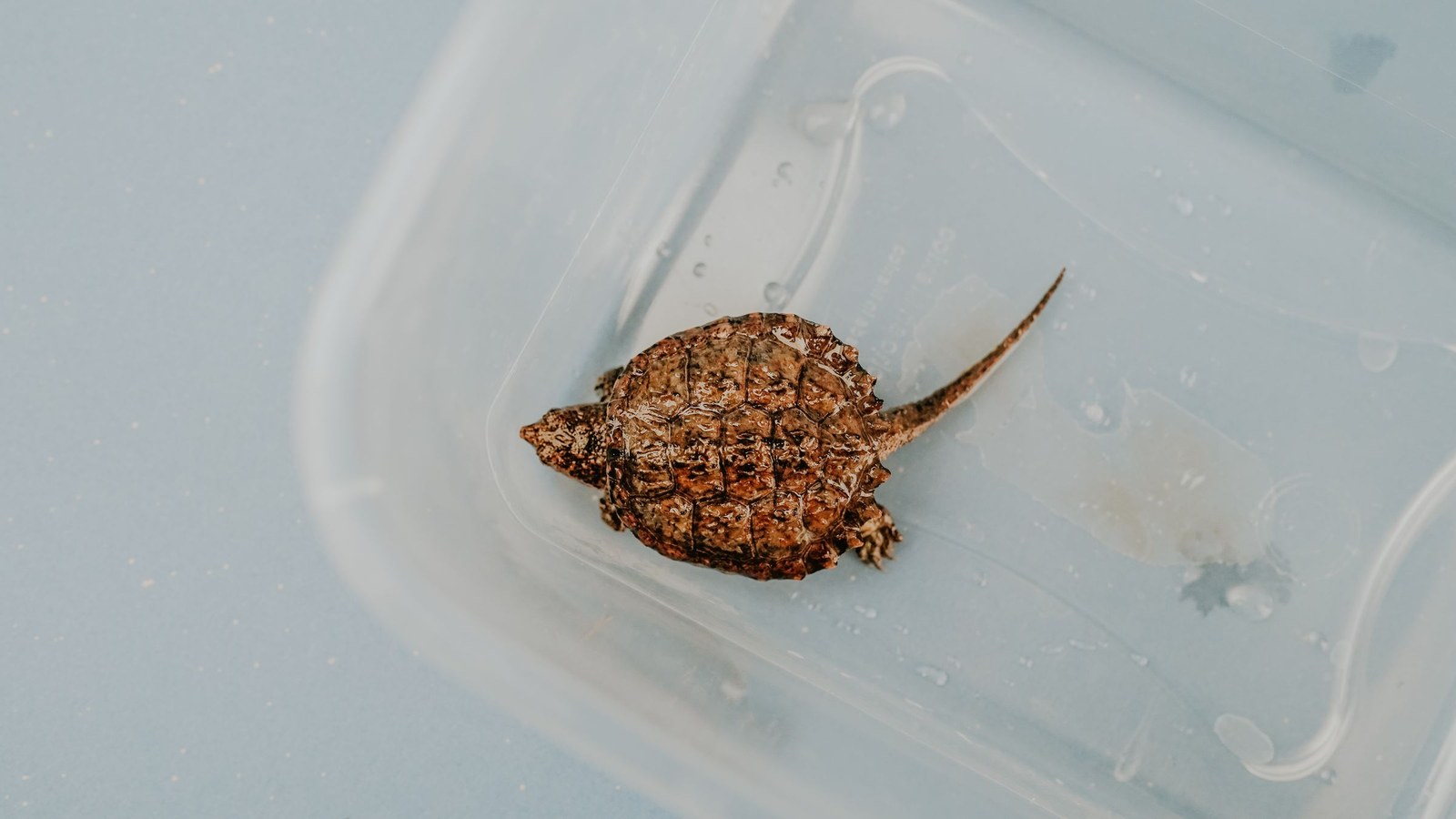
A turtle's shell that feels soft or flexible most often traces back to too little calcium, vitamin D, or UVB light — especially in fast-growing juveniles — though infection and other illness can also play a role. It is a symptom, not something to shrug off: the shell is living bone, and softening means the body is not building or maintaining it properly. A soft shell needs prompt veterinary attention, alongside an honest audit of lighting and diet at home.
The Calcium–Vitamin D–UVB Chain
These three factors work as a chain, and a break anywhere produces the same result. Your turtle eats calcium in food and supplements; vitamin D3 — made in the skin under UVB light, or supplied in the diet — lets the gut absorb that calcium; the absorbed calcium mineralizes shell and bone. Feed plenty of calcium under a dead UVB bulb and the chain still fails. That is why the fix is rarely one single change.
Audit Your UVB Setup First
Bulbs are the most common weak link, because UVB output fades invisibly while the light still shines. Work through this checklist:
- Is the bulb a true UVB bulb made for reptiles, and the right type for your species?
- How old is it? Many need replacing around six months, even if they still light up.
- Is it at the recommended distance from the basking spot, with no glass, plastic, or fine mesh blocking it?
- Does your turtle actually bask under it daily, fully out of the water, for hours?
- Is it on for a full day cycle, roughly ten to twelve hours?
Write down the bulb's purchase date this time, so the next replacement is planned rather than guessed.
Review the Diet Honestly
Juveniles of many aquatic species need more protein and calcium than adults, while adults often need more plant matter — feeding an adult diet to a growing turtle, or the reverse, skews mineral balance. Check that calcium is actually being offered: dusted food or a cuttlebone in the tank for species that will nibble one. A varied diet built on a quality staple, matched to species and age, supports the lighting fix.
What Not to Do
Do not simply pile on extra vitamin supplements at home — fat-soluble vitamins can overshoot into toxicity, and if the real cause is infection or organ trouble, supplements delay the actual treatment. Do not press or flex the shell to test it repeatedly; handle your turtle gently and minimally while it is vulnerable.
Get a Reptile Vet Involved Promptly
A soft shell in a growing turtle can progress, and only an examination can sort a husbandry gap from disease. KinsLe's Pet Services Directory helps you find a veterinarian in your area who treats reptiles — alongside local groomers, sitters, and trainers — so you spend your time getting seen, not searching. For that prompt examination, look in the Pet Services Directory on KinsLe for a veterinarian who treats reptiles, someone able to examine the shell in person and sort a lighting or calcium problem from infection or other illness.