
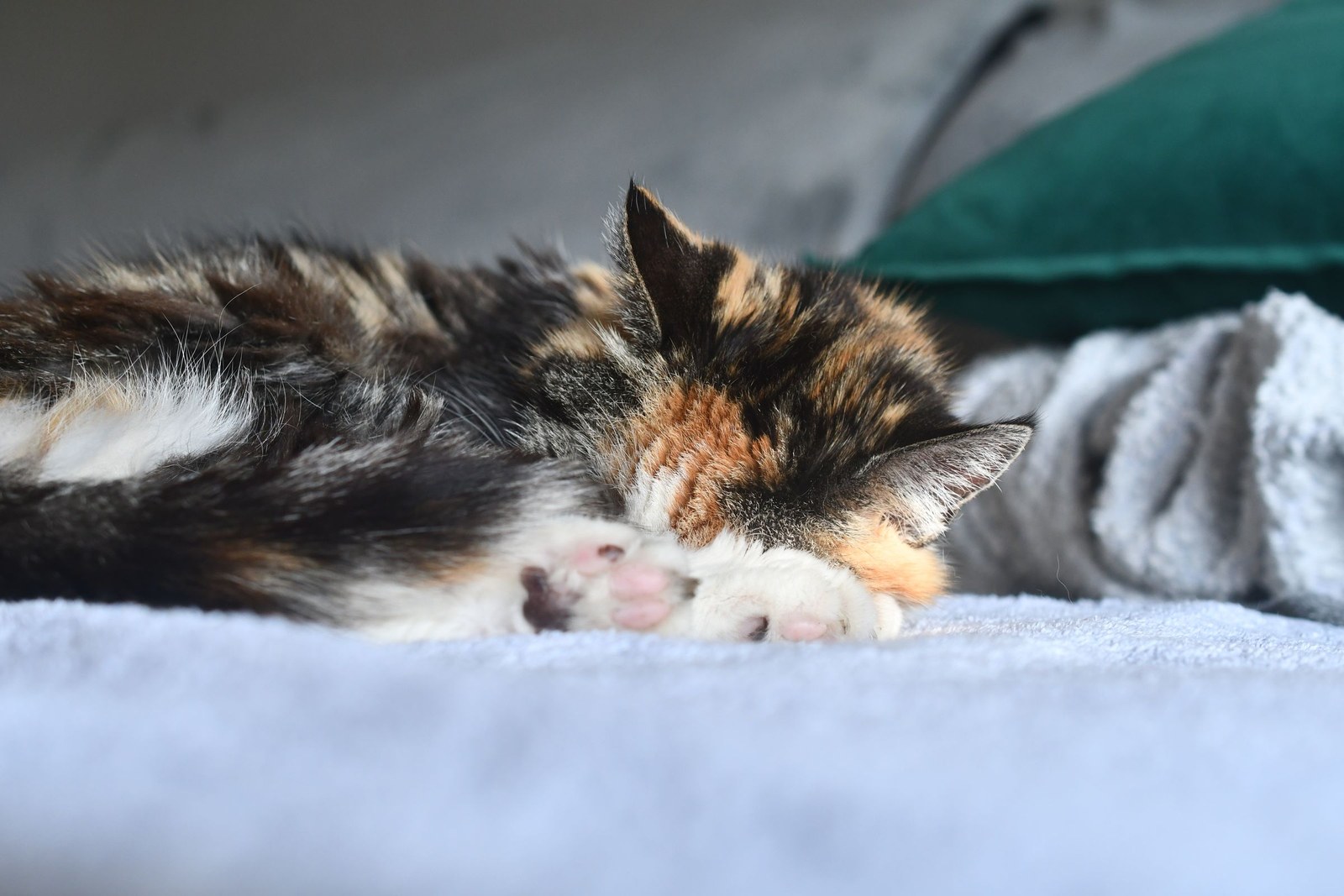
Yes — most healthy adult cats will be perfectly okay home alone overnight with a reliable daily or twice-daily sitter visit, as long as food, water, litter, warmth, and safety are all covered and someone can respond if something seems wrong. Cats sleep much of the day anyway; what matters is the quality and reliability of the visits, not a human presence at 3 a.m.
Why most cats cope well
An adult cat's natural rhythm is long sleeps punctuated by active bursts at dawn and dusk. A good morning and evening visit pattern actually matches that rhythm: play and food at the active times, and a peaceful house the rest of the day. Many cats are visibly less stressed by this arrangement than by boarding, because everything around them stays familiar.
The cats who cope best share a few traits: they eat reliably, use the litter box normally, have no medical conditions needing monitoring, and are confident enough to come out and greet the sitter rather than hiding unfed in a wardrobe for a week.
When overnight-alone is not enough
Be honest about the exceptions. Very young kittens need frequent feeding and company, and should not be left with only daily visits. Elderly cats, cats on timed medication, and cats recovering from illness or surgery need more frequent checks — a problem noticed after 24 hours can be a problem that has become serious.
Anxious cats are the judgement call. Some relax beautifully in an empty, quiet house; others deteriorate without company. If your cat has never experienced your absence overnight, trial one night away nearby before committing to a week of it. Her eating, litter habits, and greeting on your return will tell you the truth.
Covering the basics properly
For overnight-alone care to work, the set-up must be generous:
- Food and water in more than one spot, so one spilled bowl is not a crisis
- A second litter box for longer trips, so cleanliness never forces a floor accident
- Lights or curtains arranged so the house is not in total darkness for days
- Breakables and hazards — dangling cables, open toilet lids, tempting plastic — tidied away
- A spare key held by a neighbour or backup person in case the sitter is ever locked out or ill
Agree in advance what the sitter should do if your cat seems unwell, and make sure they have your veterinarian's details and a way to reach you or a local decision-maker.
Proof that each visit happened
The honest worry behind this question is not really "will she be okay?" — it is "how do I know the visits are actually happening?" KinsLe's Care Teams answer that directly: you can assign feeding, litter, and check-in duties to your sitter, and each duty is marked complete with a timestamp, so you can see each visit actually happened rather than taking it on trust. Duties left undone are visible too, while there is still time to call your backup person. That visibility turns a leap of faith into a managed plan. Care Teams in KinsLe keeps that plan written and checkable while you travel — your sitter assigned to the morning feed, the litter scoop, and the evening look-in, your backup neighbor listed for lockouts — with each completed visit timestamped as proof it happened.