
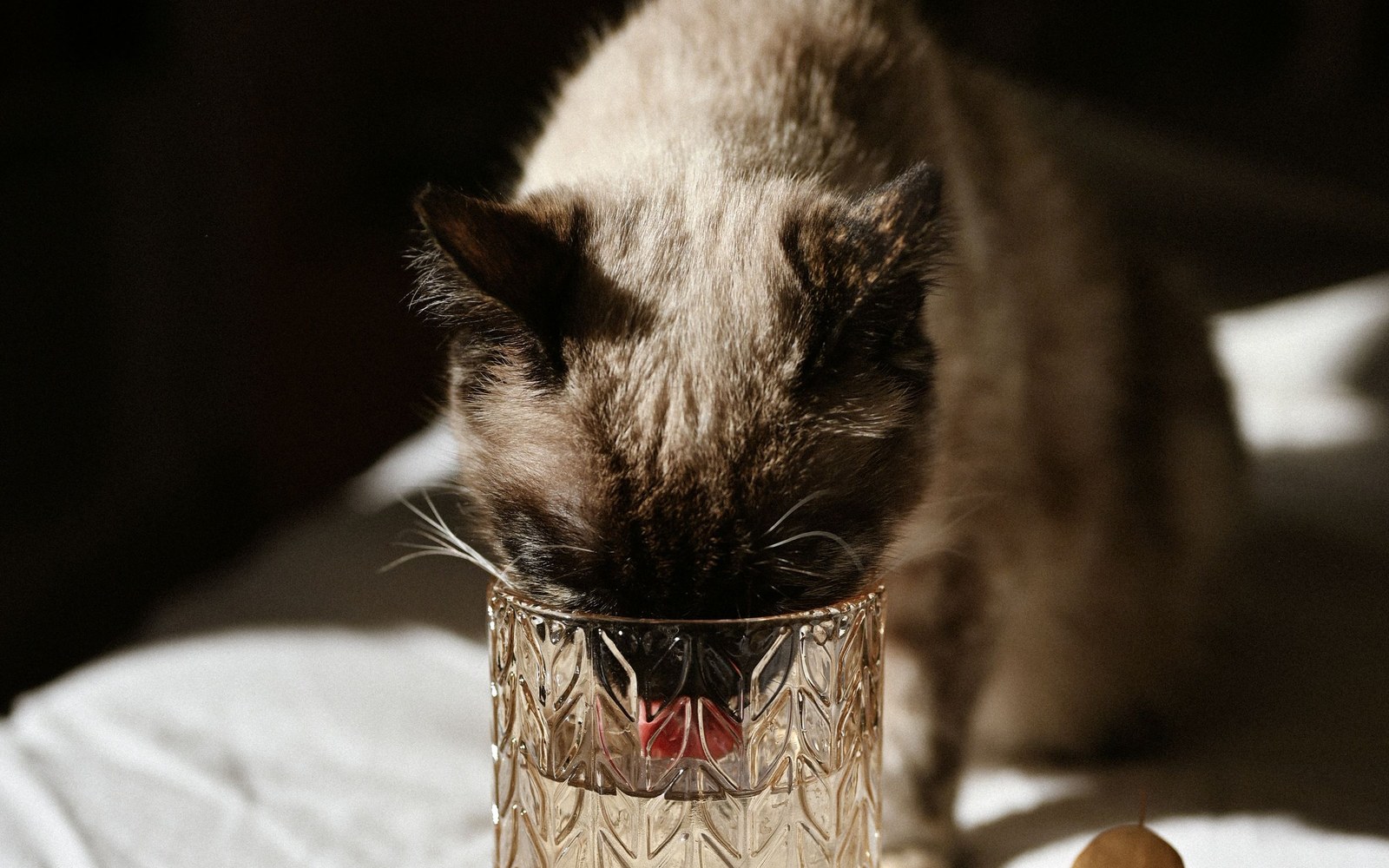
Despite the classic image of a cat lapping a saucer of milk, most adult cats cannot digest dairy well — many are lactose intolerant, and milk or cheese commonly causes an upset stomach, gas, and diarrhea. A stolen lick rarely harms a healthy cat, but dairy should never be a regular treat, and water is always the better offer.
Why milk stops suiting cats
Kittens produce plenty of lactase, the enzyme that breaks down lactose, the sugar in milk — they need it to digest their mother's milk. After weaning, most cats produce far less of it. Undigested lactose then sits in the gut drawing in water and fermenting, which produces the familiar results: a gurgly belly, loose stools, and a cat who feels fairly miserable for a day or so.
The reaction varies. Some cats tolerate a tiny amount of hard cheese, which is naturally lower in lactose than milk, without obvious trouble. Others react to a tablespoon of milk. Yogurt and fermented dairy sit in between. But "my cat seems fine" is a gamble, not a green light — and dairy also brings calories and fat a small cat does not need.
The risks beyond a rumbly tummy
Milk often displaces the things a cat actually needs. A saucer of milk is filling, so a cat who drinks it may eat less of their balanced food. Cream, flavoured yogurts, and sweetened dairy drinks add sugar and sometimes sweeteners that have no place in a cat's bowl at all. Kittens are a special case in the other direction: cow's milk is not a substitute for their mother's milk or proper kitten formula, and orphaned kittens fed cow's milk can fail to thrive — that situation needs veterinary or rescue guidance quickly.
If your cat does sneak a serving and develops diarrhea that lasts more than a day, vomits repeatedly, or seems lethargic, call your veterinarian rather than waiting it out.
What to offer instead
Cats are rarely asking for milk specifically — they are asking for a ritual, a rich taste, or your attention. You can honour all three safely:
- Fresh water, refreshed daily, in a clean bowl away from the litter area.
- A teaspoon of plain cooked chicken or a purpose-made cat treat as the "special" moment.
- Commercial cat milks, which are lactose-reduced — occasional novelties, not nutrition, and still counted in the day's calories.
- A lick mat with a smear of wet food for the slow, satisfying lapping experience without the lactose.
If your cat is genuinely fascinated by your cereal bowl, the kindest move is simply keeping dairy out of reach rather than negotiating shares.
Knowing your cat's sensitivities
Every cat has a personal list of foods that agree with them and foods that do not, and dairy intolerance is one of the most common entries. That list is worth writing down, especially the sensitivities — the sitter topping up bowls this weekend and the vet reviewing a stomach upset next year both benefit from knowing them.
Recording sensitivities where they will be seen
KinsLe's Pet Passport holds your cat's records — vaccines, medications, allergies, and documents — in one packet you can share with vets and sitters, making it the right place to record a dairy sensitivity and any other foods that upset your cat. Mark dairy off-limits in your Pet Passport on KinsLe, and a weekend feeder will offer water and proper treats instead of a saucer they cannot handle.