
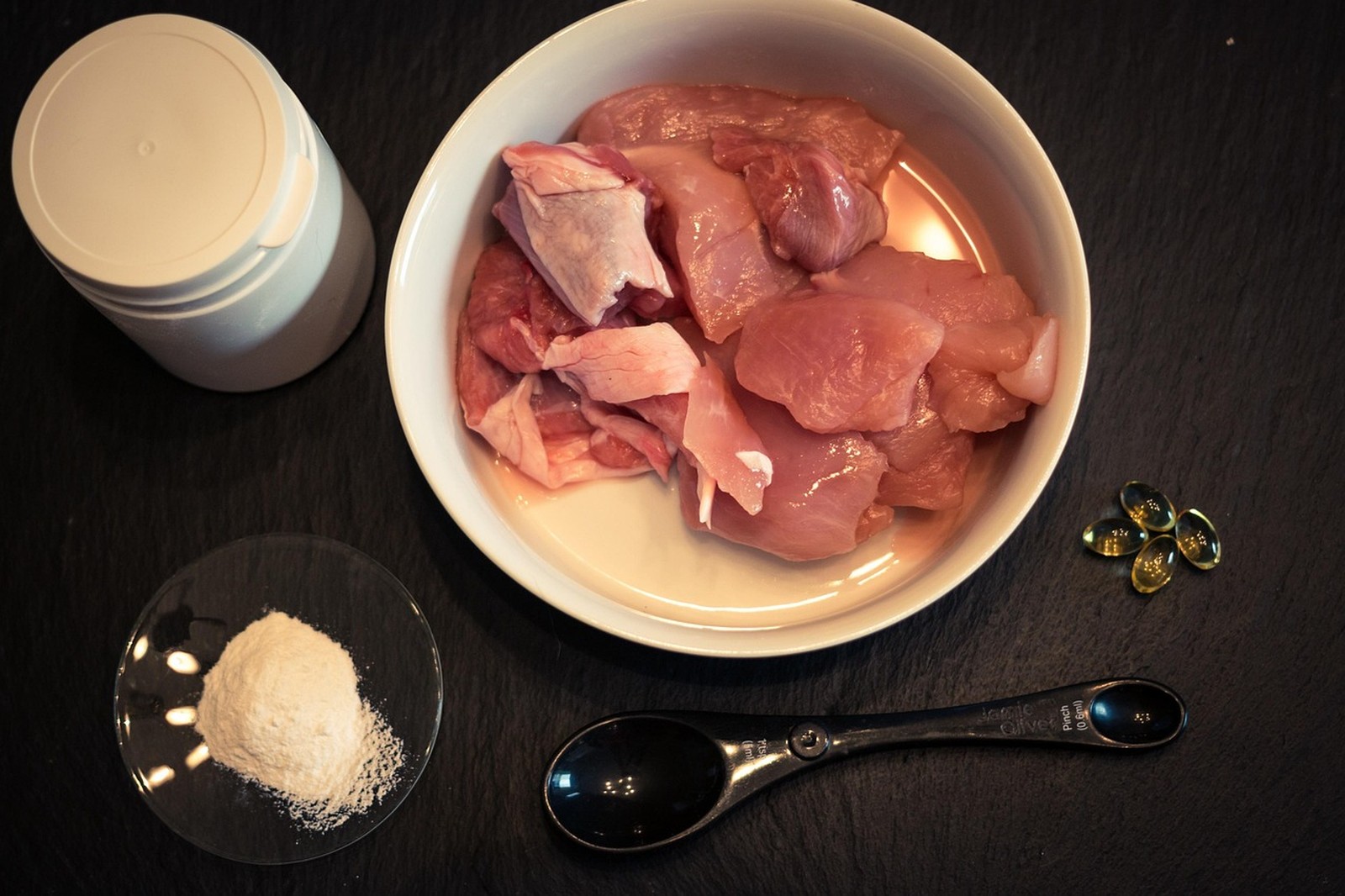
Raw diets are not a safe default for cats. They carry real risks — bacterial contamination that can affect both your cat and the people handling the food, and nutritional imbalances in homemade versions — so if you're considering one, talk it through with your veterinarian first rather than switching on the strength of online enthusiasm.
The Contamination Risk Is Real
Raw meat can carry bacteria such as Salmonella and Listeria, and parasites depending on the source and handling. Cats can become ill, and they can also shed bacteria in their faeces and saliva while appearing well themselves — meaning the litter tray, the food bowl area, and affectionate face-licking become routes of exposure for the household.
That second part matters most in homes with young children, elderly relatives, pregnant people, or anyone with a weakened immune system. Veterinary and public-health bodies consistently urge extra caution for those households, and many advise against raw feeding altogether there. If raw food is handled, it needs the same discipline as raw meat for people: separate preparation surfaces, thorough handwashing, prompt refrigeration, careful thawing, and bowls washed after every meal rather than rinsed occasionally.
The Nutritional Balance Problem
Hunting cats eat whole prey — muscle, bone, organs, and gut contents in proportions that deliver calcium, taurine, vitamins, and trace minerals together. A bowl of raw muscle meat is not that. Homemade raw recipes are frequently incomplete: too little calcium without properly prepared bone, missing iodine or vitamin E, or ratios that drift depending on what was on offer at the shop.
Commercial raw products vary too. Some are formulated to be complete and balanced; others are explicitly sold as supplementary or 'for intermittent feeding.' The label distinction matters enormously and is easy to miss in attractive packaging. Even a complete product does not remove the contamination considerations above.
What About Freeze-Dried, Fresh, and Gently Cooked Options?
The interest behind raw feeding is understandable: less processing, recognisable ingredients, high meat content. Many owners can get most of what they want from gently cooked fresh foods or high-quality complete wet foods without the raw risk profile. Freeze-dried raw products are still raw in terms of contamination risk unless the manufacturer uses a validated kill step such as high-pressure processing — worth asking about specifically rather than assuming.
Questions to Bring to Your Veterinarian
- Is there a medical reason a diet change might help my specific cat?
- If we try a commercial product, is it labelled complete for her life stage?
- What hygiene steps do you want in place for our household?
- What signs should prompt me to stop and call you?
If your cat becomes unwell — vomiting, diarrhoea, lethargy, appetite loss — after eating raw food, seek veterinary care and mention the diet plainly. And if anyone in the home becomes ill with a stomach bug, mentioning the pet's raw diet to your own doctor is wise.
Keeping the Agreed Plan in Your Pet Passport
Whatever you and your vet settle on, write it down where other caregivers can find it. KinsLe's Pet Passport is the records packet for your cat — vaccines, medications, allergies, and documents in one place, shareable with vets and sitters — and it's a sensible home for the diet plan too, so a sitter isn't improvising or being handed raw food without the handling instructions. A clear, shared record keeps the plan consistent and safe. Once you and the veterinarian agree on a safer feeding approach, file the handling and hygiene notes into her Pet Passport on KinsLe for anyone who prepares her meals while you travel.