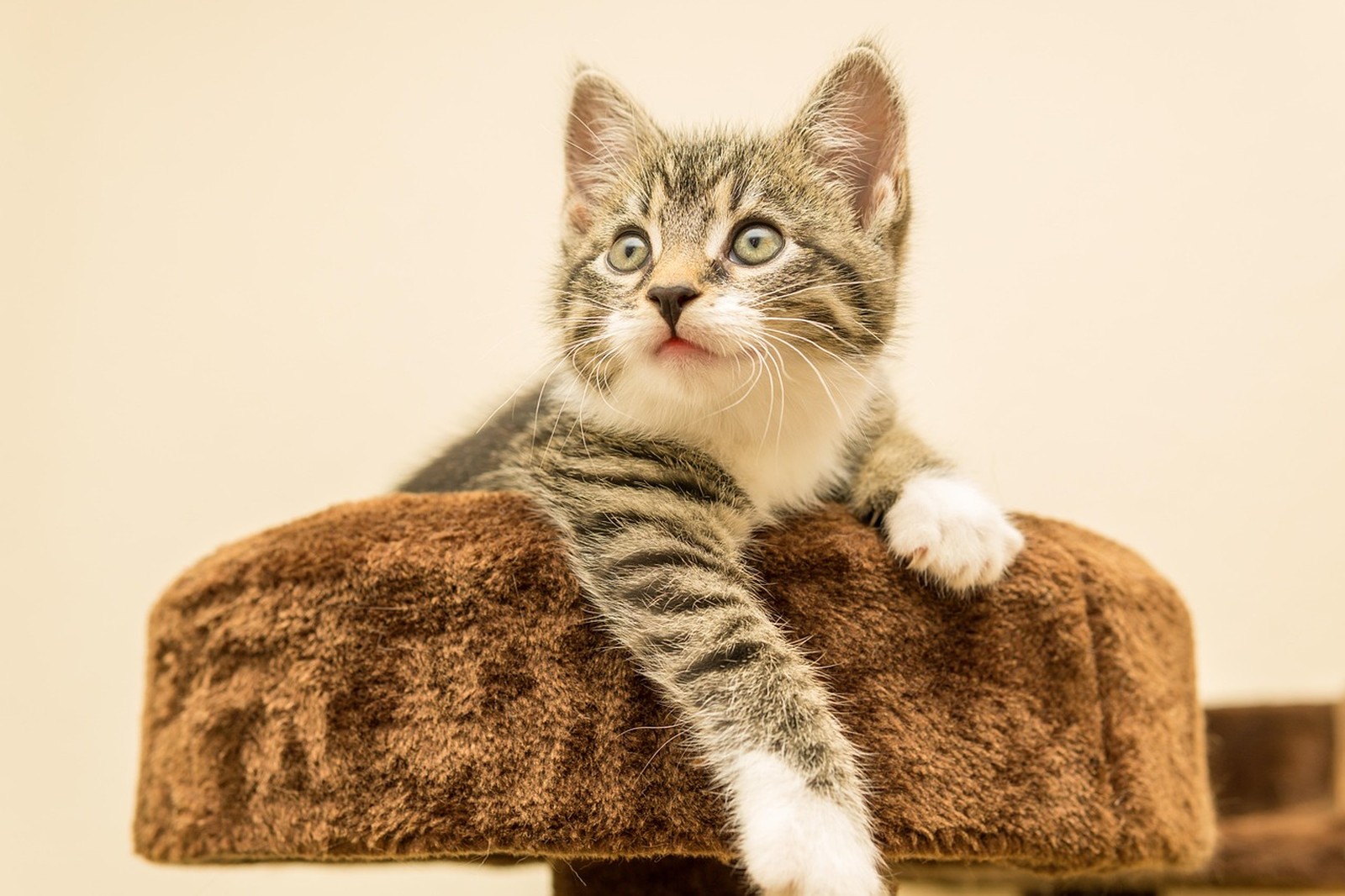
For a cat, coconut is a curiosity to investigate once, not a food with a place in the bowl. The flesh itself is not the main worry in a pea-sized amount; the richer forms around it are, because coconut milk and oil carry far more fat than a meat-based feline stomach handles comfortably.
Why coconut sits badly with a meat-based diet
Cats are built to draw their nutrition from animal protein and fat in measured amounts, and coconut pushes against that in two ways. Its milk and oil concentrate fat into a small serving, which is why loose stool and an unsettled stomach are the usual result when a cat laps up more than a taste. The flesh is milder, yet it still offers nothing a complete cat food does not already supply, so even a cat who enjoys the flavour gains no nutritional ground from it.
Coconut also reaches cats in forms owners do not always register as coconut. Desserts, curries and creamy drinks can all carry the milk or oil in amounts far beyond a taste, and a cat allowed to lick a plate clean may take in more fat in a minute than the pea-sized piece of flesh you intended to offer. Treat shared human food as the main route to overdoing coconut, and keep plates, pans and leftovers out of feline reach once the meal is over.
Serving a taste without turning it into a habit
If your cat is determined to investigate your coconut, keep the encounter small and controlled:
- Offer plain flesh only, cut to about pea size, with no sweetened coating or flavouring
- Keep coconut milk and oil out of the bowl entirely rather than pouring a little over food
- Never hand over pieces still attached to shell, which is hard enough to damage teeth and risky if chewed
- Watch the litter tray over the following day, since loose stool is the clearest sign the taste was too much
- Stop at one taste; a cat who begs for more can be redirected to a small piece of its normal meaty treat
The shell, the bowl and knowing when to stop
Store a whole coconut where a curious cat cannot roll it down or gnaw at the shell, and clear husks and fragments after preparing it in the kitchen. A cat who has eaten a generous amount of coconut flesh, milk or oil and then vomits repeatedly, refuses food or has diarrhoea that does not settle should be discussed with a veterinarian rather than given more time and more tastes. Back at home, the household rule is simplest when it is written down once: through Care Teams in KinsLe, whoever feeds that day can log each finished duty with its time recorded, so nobody offers a second novelty treat on top of the first.