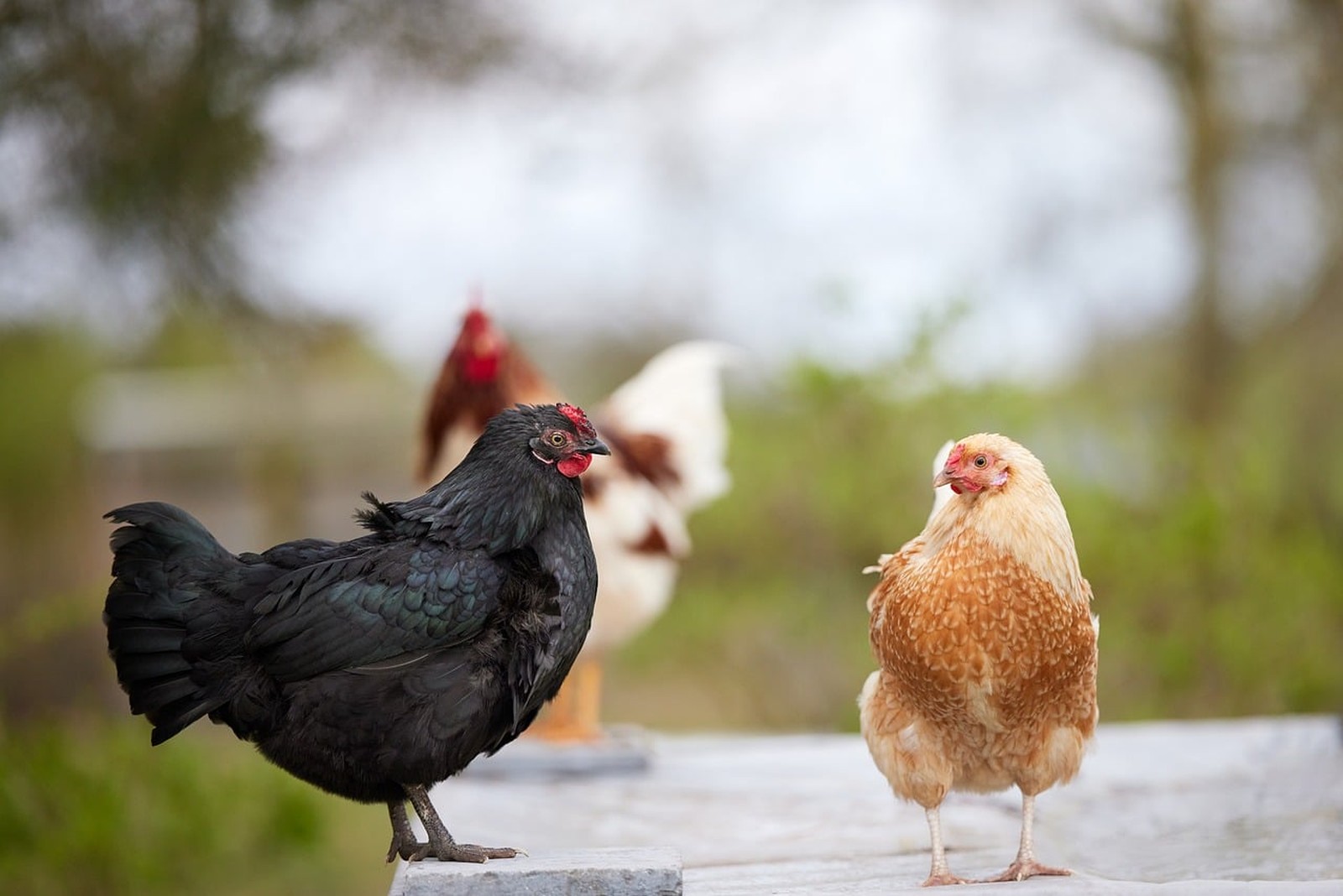
No, and the reason is arithmetic rather than opinion. A laying hen needs a steady supply of protein for eggs and feathers, a large amount of calcium for shells, enough energy to stay warm and active, and a balance of vitamins and minerals in roughly the same proportions every day. Kitchen scraps change completely from one day to the next. A pan of pasta, vegetable peelings, and stale bread might fill a crop, but it cannot reliably deliver what a formulated layer feed, typically around 16 percent protein with added calcium, is designed to provide.
What Scraps Are Missing
Protein is the first gap. Hens short on protein lay less, eat feathers, and may start pecking flockmates. Calcium is the second: without enough of it, shells become thin, soft, or missing altogether, and a hen's own bones weaken as her body pulls calcium into eggs. Scraps also provide no grit. Chickens have no teeth; small stones held in the gizzard grind their food, so birds without free-range access to suitable ground need insoluble grit offered separately, plus oyster shell on the side so each hen can take extra calcium when she needs it. Salt is the opposite problem, since heavily salted leftovers, spoiled food, and mouldy items can actively harm birds.
What to Feed as the Foundation
Keep complete layer feed available all day for laying hens, with growers and chicks on age-appropriate feeds instead, because their protein and calcium needs differ. Fresh clean water matters as much as feed; a hen drinks roughly twice what she eats by weight, and even a day of frozen or empty drinkers can stop laying. Store feed dry and sealed so it does not mould or attract rodents, and check expiry and condition rather than feeding stale bags because they were cheap. Free-ranging adds insects, seeds, and greens that genuinely enrich the diet, but range quality varies by season and garden size, so range is a supplement to the feeder, never a replacement for it.
Using Scraps Well, and What to Avoid
Treat scraps as a treat: leafy greens, cooked vegetables, mealworms in small amounts, plain cooked rice or pasta, and most fruit go down well and give hens something interesting to scratch through. Offer only what the flock clears within about half an hour, and remove the rest so it does not rot or draw rats. Never feed raw dried beans, green potato skins, avocado, chocolate, onions in quantity, or anything mouldy, salty, or spoiled from the back of the fridge. Scatter scraps in the afternoon rather than the morning, so hens fill up on proper feed first and treats stay the small share they should be.
Signs the Diet Is Falling Short
Falling egg numbers, soft shells, feather eating, weight loss, pale combs, and birds crowding the feeder desperately in the morning all suggest the base diet is not doing its job. Review feed access before blaming age or breed, and speak to a poultry vet if condition does not recover once feed, water, grit, and shell are all freely available. Splitting the morning feed check, afternoon scrap scatter, water top-up, and egg collection among helpers with KinsLe's Care Teams, where each completed job is timestamped, ensures the flock's real diet never quietly depends on whoever remembered that day.