
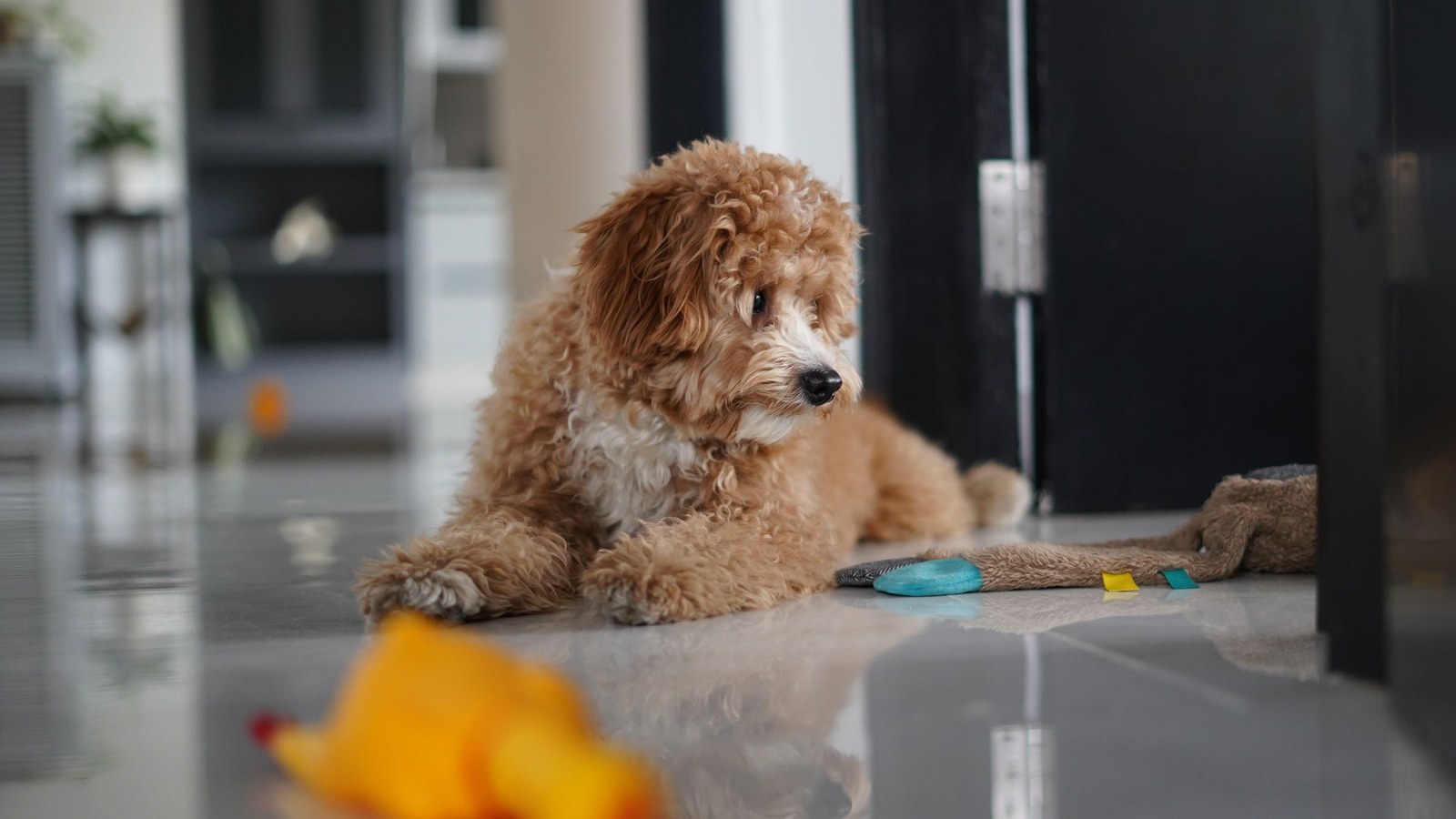
Most boarding facilities will happily accept one or two of your dog's own toys and a bedding item — but ask first, because policies vary for good reasons. Some kennels limit belongings for hygiene, laundry logistics, or safety, and even the most welcoming facility can't guarantee that a beloved toy won't get lost, buried in a play yard, or chewed by an enthusiastic roommate. Choose comfort items you could part with, label everything, and your dog gets the smell of home without you risking the irreplaceable.
Why familiar things genuinely help
Dogs navigate the world by scent, and a blanket that smells like your sofa and your hands is a powerful settling tool in a strange place full of unfamiliar dog smells. A worn t-shirt of yours, their usual blanket, or the bed they nap on daily can lower stress at lights-out, when kennels are quietest and homesickness peaks. Familiar chew toys give anxious dogs something constructive to do in their run instead of barking or pacing.
Boarding staff know this, which is why most encourage a comfort item — it makes their job of settling your dog easier too.
What to send, and what to keep home
Good candidates:
- One washable blanket or bedding item, ideally slept on for a few nights beforehand so it carries home scent
- One or two durable, washable toys — a solid rubber chew or a sturdy tug toy
- Items clearly labelled with your dog's name in permanent marker or on a sewn tag
Keep at home: heirloom or sentimental toys, anything with squeakers that could be chewed out and swallowed, rawhide or toys your dog shreds, beds too large for commercial laundry, and the one toy your child would be devastated to lose. If your dog resource-guards toys fiercely, tell staff — they may keep belongings in the run only, away from group play, and that honesty prevents incidents.
Questions to ask the facility
Ask how belongings are stored and washed, whether items stay with your dog or rotate through laundry, and what happens if something is soiled or destroyed. Some facilities offer their own bedding only, freshly laundered daily, and decline personal bedding entirely — that's a legitimate hygiene policy, not a red flag, as long as a comfort item like your t-shirt is still allowed.
Also check whether toys are permitted in group play areas; many kennels restrict them there because high-value items spark competition between dogs.
Seeing your dog settled in, through KinsLe Messenger
The nicest proof that the blanket did its job is a photo of your dog curled up on it, fast asleep. KinsLe Messenger is the per-pet communications hub for your dog, and it gives boarding updates a tidy home — the facility can send photo updates of your dog settled in with those familiar things, kept alongside the rest of your dog's care messages rather than scattered across text threads. Agree the update rhythm with the kennel in advance so you're not refreshing your phone hourly.
Pack the familiar, label it well, and leave the precious things safe at home. KinsLe Messenger keeps boarding photo updates together on KinsLe, so you can check how your dog is settling on that familiar blanket during the stay.