
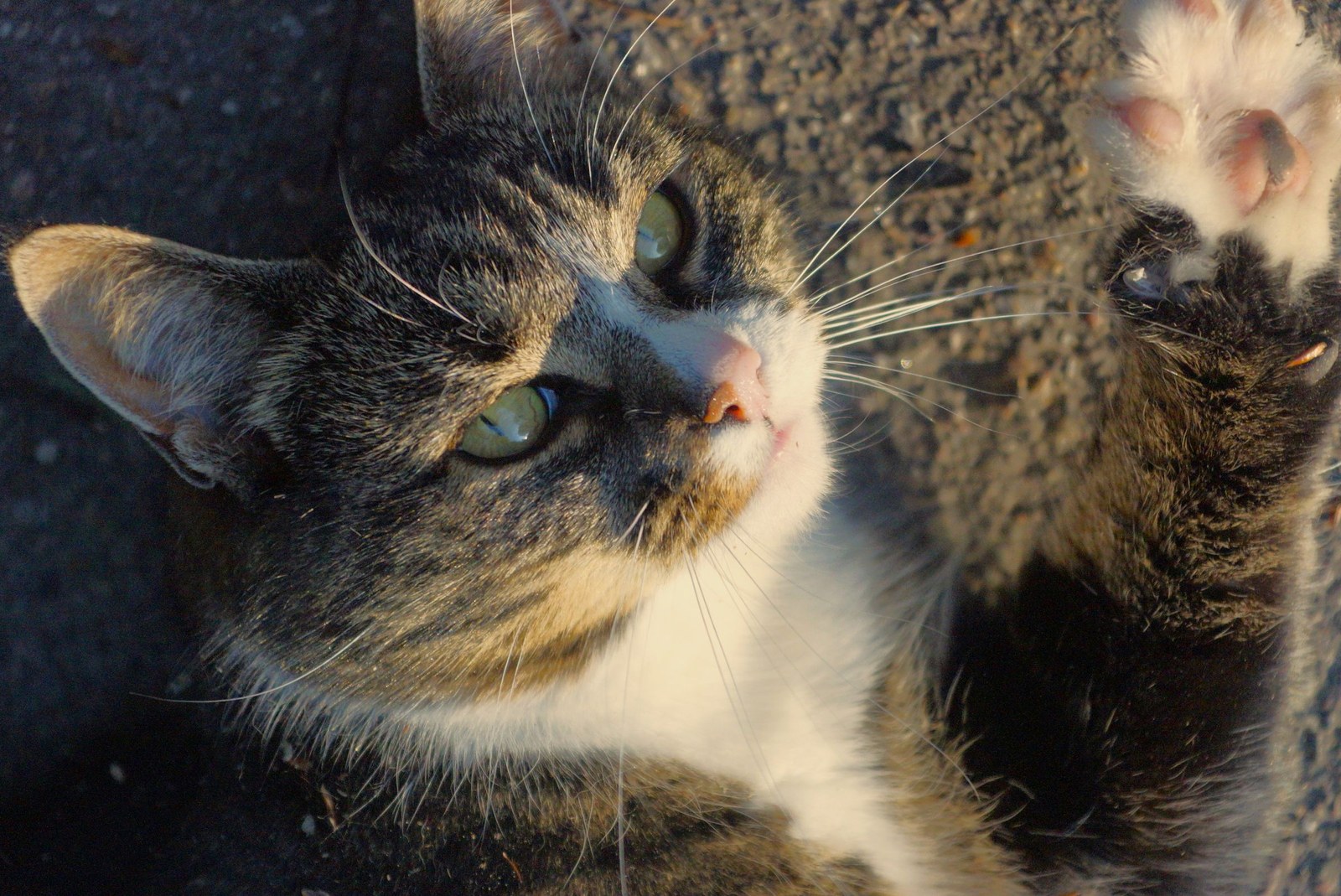
Yes, you really can teach your cat a high five with a clicker — cats learn tricks well, and the high five is one of the easiest because it is built from something cats already do: lifting a paw to investigate a raised hand. The whole trick is taught in tiny paid steps over sessions of just a few minutes, and most motivated cats are touching your palm on purpose within a week of short daily practice.
What you need before you start
Gather a clicker your cat already understands — if the sound does not yet predict a treat, spend a day charging it first with click-treat repetitions and no trick attached. Choose treats that are small, soft, and high value, because you may deliver twenty in a session; a lickable treat tube works beautifully for paw work since it keeps her attention up at hand height. Pick a quiet moment before a meal, and a perch or mat where she likes to sit — a cat already sitting is halfway to a paw lift.
Shaping the high five, step by step
Trainers call this shaping: rewarding closer and closer approximations of the final trick.
- Hold a treat in your closed fist at her shoulder height. Cats paw at a fist that smells like food; the instant any paw leaves the ground, click and open your hand.
- Repeat until the paw lift is deliberate. Then raise your empty hand, palm out, and click only when the paw rises toward it.
- Narrow the payment: click only for actual contact with your palm. Brief brushes count at first.
- Once she is reliably pressing your palm, add the words "high five" just before you raise your hand. The cue always comes last — she cannot learn a label for a behavior she does not have yet.
- Fade the treats to every second or third success, keeping praise and the occasional jackpot so the trick stays fun.
Reading your cat's session limits
Cats train in bursts. Two to five minutes is a full session; three good repetitions beat fifteen drilled ones. End while she is still interested, ideally right after her best rep, and put the treats away without ceremony. If she starts grooming mid-session, looking away pointedly, or swatting with claws, she is telling you the pay no longer matches the effort or she is simply full — both are honest answers, not defiance. Some cats learn faster on a stool or cat tree, where sitting tall frees both front paws; floor-sitters sometimes brace a paw down for balance and progress more slowly.
Capitalize on natural style, too. A cat who already "boxes" at dangling toys will fly through this trick, while a cautious paw-tapper may prefer first learning a nose target or a spin. Either way, the clicker grammar she learns on trick one makes every later trick cheaper to teach.
Keeping the rhythm
Tricks fade without reps, and owners forget without reminders. Kimmy, the built-in AI assistant in KinsLe, can send reminders and nudges that keep those mini training sessions on a regular rhythm — a two-minute high-five practice before dinner quickly becomes part of the household routine. Cat owners wondering whether a session should end after the best repetition or continue for another round can send further questions to the Kimmy assistant inside KinsLe and read replies sourced from KinsLe Answers entries.