
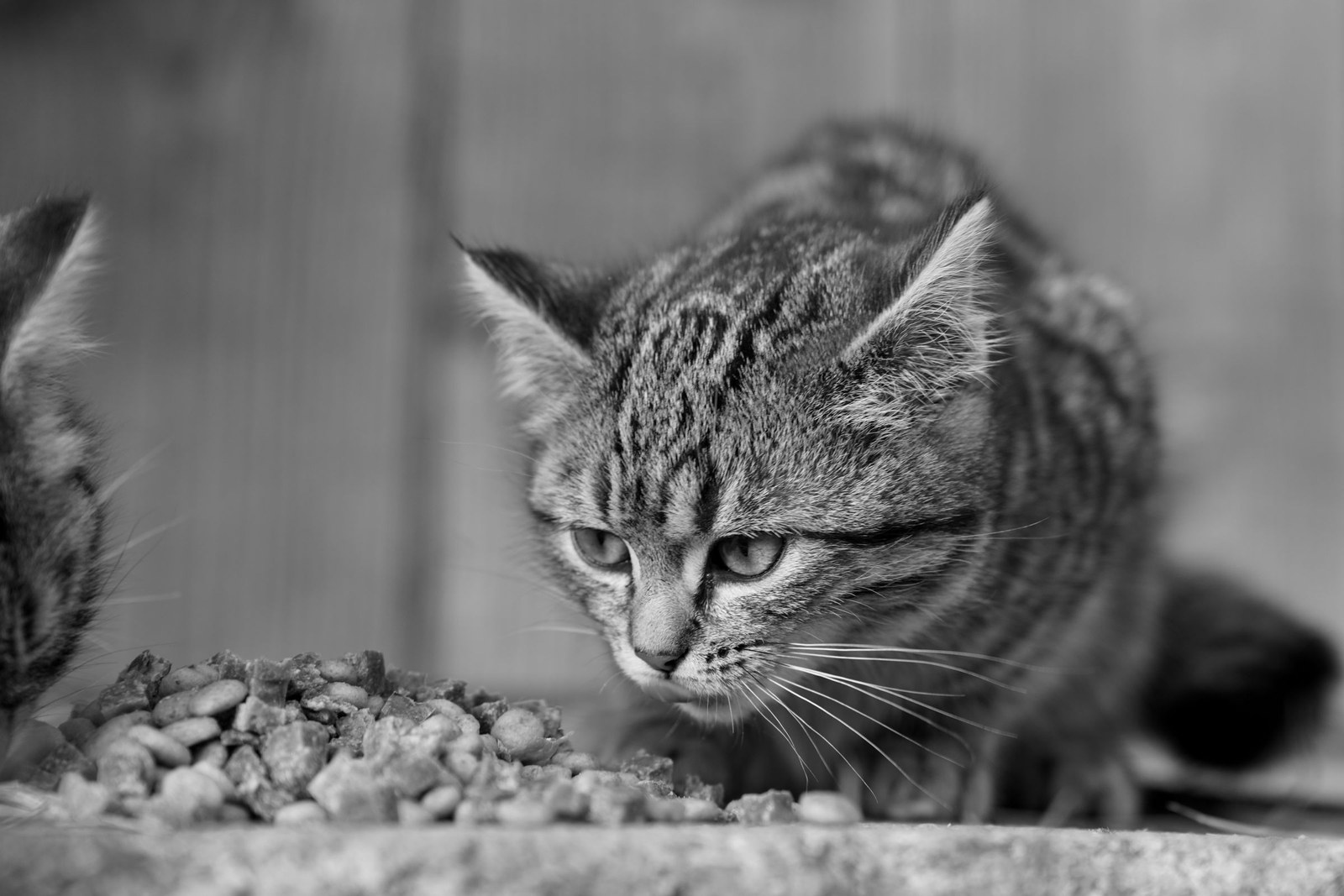
Your cat steals food off the counter the second you turn around because, in her mind, there is nothing to steal — there is just unattended food on a surface she is allowed to stand on, and cats are opportunistic hunters wired to take exactly that chance. She is not being defiant or spiteful. The roast chicken cooling within paw's reach is, to a small carnivore, an unguarded carcass, and the fact that she waits until your back is turned simply means she has learned your reach is the only real obstacle.
A scavenger's logic
Wild and feral cats eat when opportunity appears, because the next one is never guaranteed. That instinct survives perfectly well in a pampered indoor cat, and it is sharpened by how interesting counter food is compared with kibble: warm, fatty, salty, and novel. Certain cats are bolder because of history — former strays and cats adopted from multi-pet homes where meals were competitive often scan surfaces constantly. Breed plays a smaller role than habit, but big, athletic, food-driven cats like Bengals and many ordinary shorthairs in their prime years can clear a counter in one silent jump you will not hear from the next room.
Note what she targets. A cat who licks butter, steals cheese, or drags off chicken skin is chasing fat. One who bats bread or pasta may be playing with texture as much as eating. Either way, your reaction matters less than your storage: a cat who succeeds one time in ten will keep checking forever.
Make the food genuinely unreachable
Management beats training here, because you cannot out-watch a cat for the fifteen years she lives with you:
- Cool meat and baked goods inside the oven, microwave, or a closed pantry — never on the counter "for a minute."
- Store butter, oils, and leftovers in sealed containers or behind cabinet doors; wipe boards and counters so the smells stop advertising.
- Bag trash and compost in a latched bin; chicken bones in an open can are both tempting and dangerous.
- Feed her on a schedule in her own spot, and park a puzzle feeder or lick mat there while you cook, so her scavenging instinct has a legal job during the exact window she used to raid.
Foods that turn theft into an emergency
Some counter prizes are actively hazardous for cats. Cooked bones splinter; onions, garlic, and anything cooked with them damage red blood cells; chocolate, grapes, and xylitol-sweetened foods are toxic; and rich fatty scraps can trigger painful gastrointestinal upset or pancreatitis. If she makes off with something on that list, or eats an unknown quantity of a risky food, call your veterinarian or an animal poison line promptly rather than waiting for symptoms — that is a real-owner judgment call, not a wait-and-see. Keeping a written list of her off-limits foods where anyone cooking can see it prevents most incidents.
Getting everyone — including the sitter — on the same rules
Counter rules collapse when a guest feeds her scraps or a sitter leaves dinner cooling out. With KinsLe Care Pass, you can share a temporary, scoped link to her care details — the recipient needs no account and no app — so a sitter sees her feeding rules and off-limits foods before they ever step into your kitchen. During a three-night trip, hand the sitter booked for those nights your Care Pass through KinsLe, listing exactly what stays out of reach: onions and garlic, cooked bones for the latched bin, and no dish left cooling uncovered on the counter.