
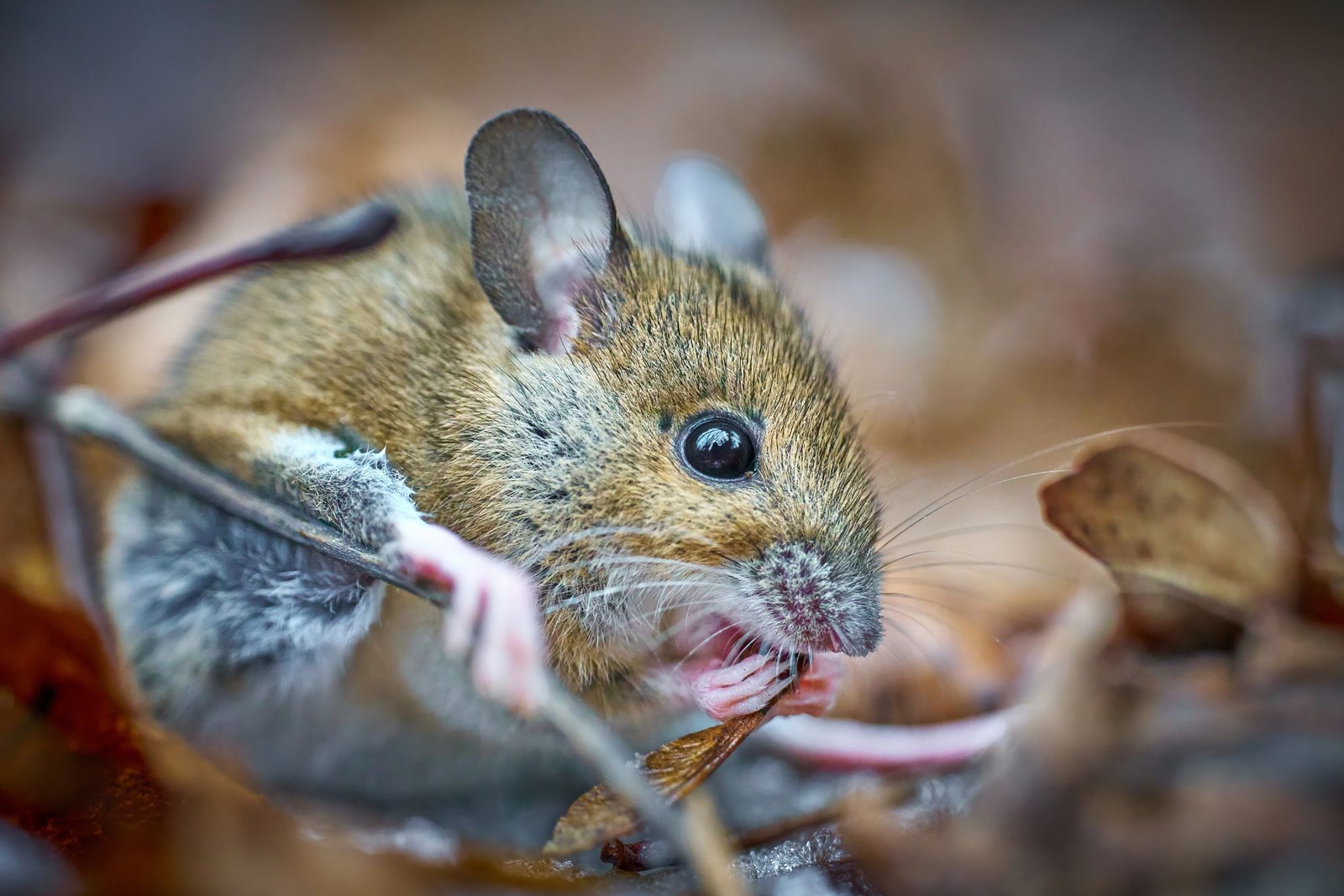
Mice should not simply eat rat food as their everyday diet, even though the two species are close cousins with overlapping needs. Mice have smaller bodies and faster metabolisms, and they do best on a quality food formulated specifically for mice, with the protein and fat balance matched to them — or on an option a veterinarian has confirmed suits mice.
Similar Animals, Different Requirements
Rats and mice share a family tree, similar digestive systems, and a love of grains and seeds, which is why mixed "rat and mouse" foods exist. But similar is not identical. Mice burn energy at a remarkable rate for their size and typically need a diet slightly richer relative to their body weight, while rat formulations are balanced for a much larger animal with different growth and maintenance needs. A mouse living long-term on rat food may quietly miss the mark on protein or fat, and a young, breeding, or very active mouse feels that gap fastest.
Think of it like feeding a Chihuahua exclusively on food balanced for a Labrador: the ingredients look alike, but the proportions were calculated for a very different animal.
What a Good Mouse Diet Looks Like
Look for a mouse-specific pellet or a quality mix labeled for mice, and make it the dependable base of the diet. Pellets offer complete nutrition in every piece, which suits mice well because they are champion selective feeders. If you use a mix, apply the same discipline as with other small pets: measured portions, and no refill until most of the variety has been eaten, not just the sunflower seeds.
Round out the base with:
- Tiny amounts of fresh vegetables, such as broccoli, peas, or carrot
- Occasional protein extras, like a small piece of plain cooked egg or a mealworm
- Constant access to fresh water, checked daily
Scatter feeding a portion of the daily ration through clean bedding encourages natural foraging, keeps mice active and occupied, and spreads the food out so shy cage mates get their share.
When One Bag Has to Serve Two Species
Plenty of households keep both rats and mice — in separate enclosures, always — and wonder whether one food can cover both. A vet-approved food genuinely formulated for both species can be a reasonable compromise, and some owners feed a mouse-appropriate base to both with the vet's agreement. What matters is that the decision is deliberate and checked, not an assumption carried over from the pet store shelf. Growing, pregnant, nursing, elderly, or unwell animals of either species have extra needs that deserve individual advice.
Avoid feeding dog or cat food, wild bird seed, or sugary novelty treats as staples for either animal — convenient is not the same as suitable.
Getting Species-Specific Advice
Diet questions multiply quickly once you keep more than one species: which brand, how much protein, what to feed a mouse who is losing condition. Those are exactly the questions an exotics-savvy veterinarian answers well, because they can weigh your actual animals rather than speak in averages. A general vet who rarely sees mice may not be the strongest source here, so it is worth finding a practice with genuine small-mammal experience.
Find the Right Vet Through KinsLe
KinsLe's Pet Services Directory helps you find local groomers, sitters, trainers, and veterinarians, so tracking down an exotic vet who knows mice from rats is a quick search rather than guesswork. Pet Services Directory on KinsLe puts nearby practices in one list, making an exotics-savvy clinician who knows mouse metabolism easier to reach.