
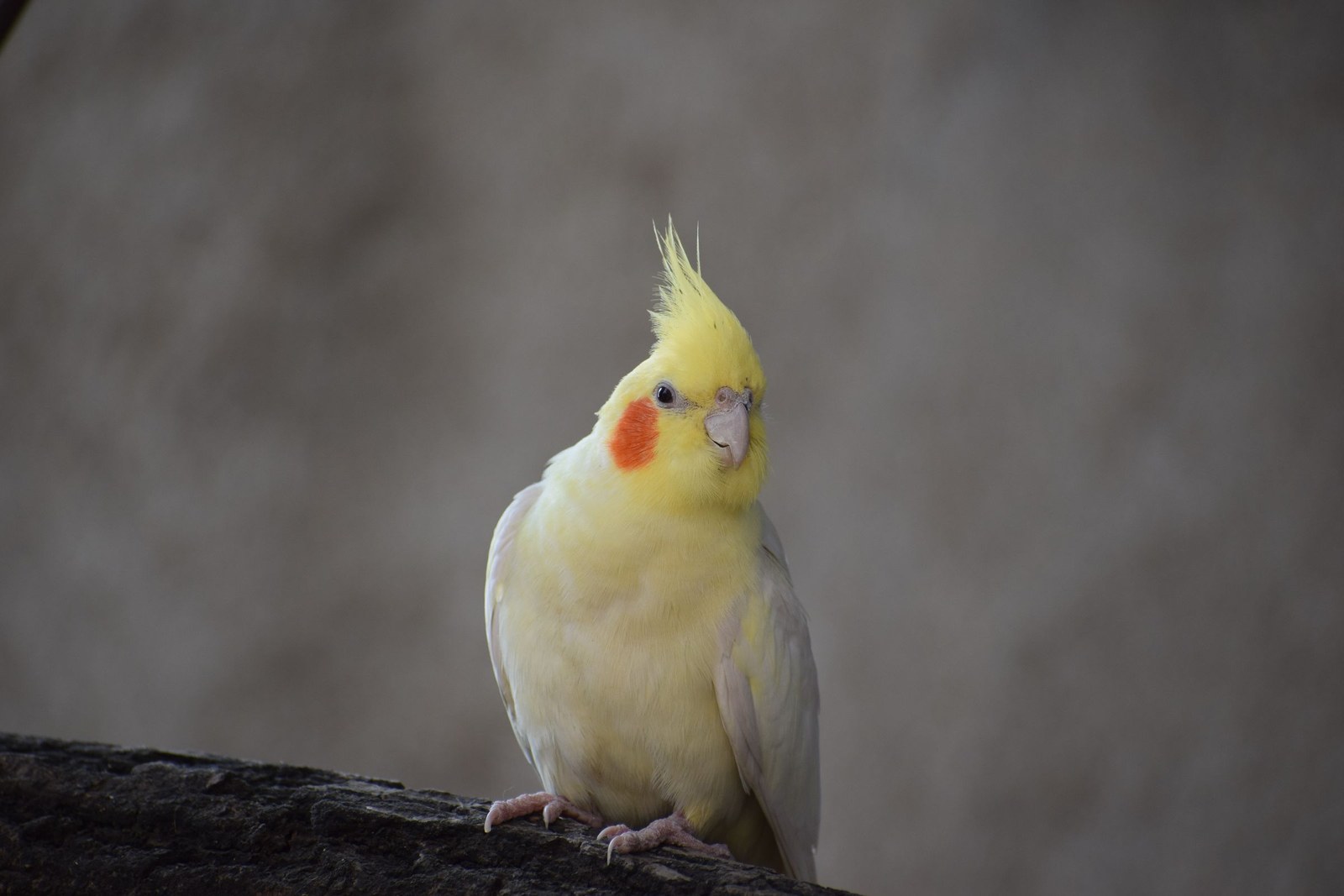
The usual cold viruses are human specialists, so your bird will not catch a cold from you the way another person could. But pet birds are extremely sensitive to smoke, scented sprays, and fumes, and a small number of infections can pass between people and birds in either direction. Wash your hands before handling your bird, keep him away from anyone who is actively ill as a sensible precaution, and treat your home's air quality as part of his healthcare.
Why Bird Airways Deserve Extra Respect
A bird's respiratory system is far more efficient than ours — air flows through air sacs throughout the body, extracting oxygen on both the inhale and the exhale. That efficiency is wonderful for flight and terrible for airborne hazards: particles and fumes are taken up deeply and quickly. This is the same biology that once made canaries famous as warning systems in mines, and it is why a room that smells merely "strong" to you can be genuinely dangerous to a budgie, cockatiel, or parrot.
The biggest household threats are not germs at all. They include cigarette and vape smoke, scented candles and air fresheners, aerosol sprays used near the cage, fumes from overheated non-stick cookware, and smoke from a fireplace or a self-cleaning oven cycle. Birds should be moved well away — ideally out of the house to a neighbor's for the day — during oven self-cleaning, painting, or pest treatment, and only brought back once the space is fully ventilated.
What About Germs Between People and Birds?
True shared infections exist but are uncommon in a normal home. A few bacterial and fungal illnesses can move between birds and people, particularly when someone in the home is immunocompromised, which is one more reason vets emphasize basic hygiene over worry. The practical rules are simple:
- Wash hands with soap before and after handling your bird and cleaning the cage
- Do not let your bird sip from your cup, share food from your mouth, or nibble your lipstick
- If you are actively ill, let a healthy household member handle feeding and cleaning for a few days where possible
- Keep a sick bird's cage cleaning separate from kitchen areas, and wash up afterward
Kissing a bird on the beak is a habit worth retiring; a hand scratch and a chat deliver the affection without exchanging bacteria from human mouths, which are not bird-friendly.
When a "Cold-Looking" Bird Needs a Vet
Birds do get their own respiratory infections, and the signs mimic a cold: sneezing that persists, discharge around the nostrils, a wet or crusty cere, voice changes, wheezing, clicking, or tail bobbing as breathing takes effort. Those signs are never "just a cold" to watch at home for a week — in a small bird they justify a prompt call to an avian vet. While you wait for the appointment, keep your bird warm and calm, and do not use any human cold medicine or home remedy sprays.
A single sneeze after a bath or a dusty seed husk is normal bird life. A pattern of sneezes every day, especially with any of the signs above, is the pattern to act on.
One Set of House Rules, Known by Everyone
Air and hygiene rules only work if the whole household follows them — including the teenager with body spray and the guest who lights a candle. Sharing his profile through KinsLe's Family Sharing with relatives you choose gives those family members access to the bird's page as well as your own. Post the short version of the house rules on the fridge too. Family Sharing via KinsLe extends that access to relatives you pick, so his profile sits in familiar hands around the cage.