
Yes, your dog's itching could be a food allergy instead of — or as well as — the environment, and the biggest hint is timing: food reactions tend to itch all year round, while environmental allergies usually flare and fade with the seasons.
That distinction sounds tidy, and sometimes it is. A dog who scratches just as hard in January as in July, whose ears keep flaring, or who pairs itching with soft stools, gassiness, or occasional vomiting deserves a food conversation with your vet. A dog who is perfect all winter and miserable every August points more toward pollen. Many itchy dogs, inconveniently, have both.
How Food and Environmental Itching Differ
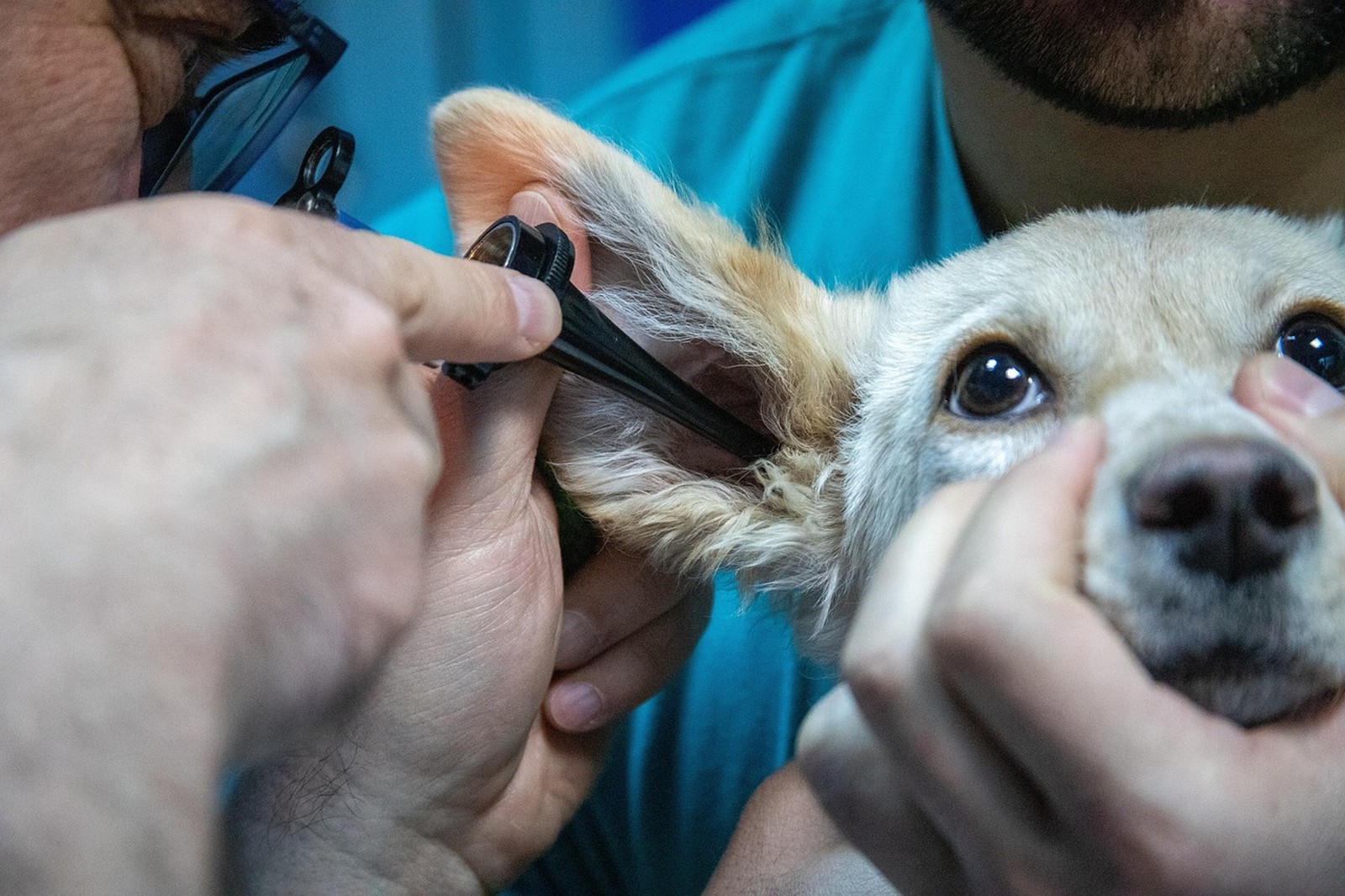
Food reactions in dogs are most often responses to a protein the dog has eaten regularly — common everyday ingredients rather than exotic new ones — and they do not respect the calendar. The itch frequently shows up around the ears, paws, belly, and rear end, and recurring ear inflammation is a particularly common partner.
Environmental allergies lean seasonal, target paws and skin folds, and often worsen after time outdoors. Neither list is a diagnosis, though. Skin infections, fleas, and mites mimic both, which is why vets work through look-alikes before committing you to a months-long food trial.
Be skeptical of quick answers. Hair, saliva, and blood-based food sensitivity panels sold to owners are widely regarded as unreliable, and random grain-free or boutique food swapping mostly produces confusion — a dog may improve because the season ended, not because the new bag worked.
What a Proper Elimination Trial Actually Involves
The reliable method is a structured elimination diet guided by your vet. In outline, it means:
- Feeding one prescribed novel or specially formulated diet — and nothing else — for a set period your vet defines, often around eight weeks or more
- Cutting out all other foods: treats, chews, table scraps, flavored medications where avoidable, and scavenged snacks on walks
- Watching whether the itching clearly improves, then, if your vet advises, reintroducing the old food to see whether signs return
That last step is what actually confirms the link, and it is the step most home attempts skip. The trial also fails quietly in busy households — one family member slipping the usual treats can undo weeks. Everyone feeding the dog has to know the rules.
Keeping a Trial Organized in a Real Household
Write down the exact food, the start date, every treat substitute approved for the trial, and a simple weekly itch score. Note ear flare-ups, stool changes, and anything your dog managed to steal — a snatched chicken wing at a barbecue is data, not a disaster you should hide from your vet.
Small dogs and determined scavengers like Labradors make strict trials genuinely hard, so be honest about lapses. Your vet would far rather interpret a truthful record than a perfect-looking one that is not real.
One Place for the Whole Food History
KinsLe's Pet Passport keeps your dog's food history and known sensitivities documented alongside vaccines, medications, allergies, and other records, so trials stay organized and the next vet, sitter, or family member sees the same information. Sharing that packet beats reconstructing two years of food changes from memory. Pet Passport on KinsLe also stores the trial start date, the approved treat substitutes, and each week's itch score beside vaccination and medication entries, giving every feeder one shared record to follow.