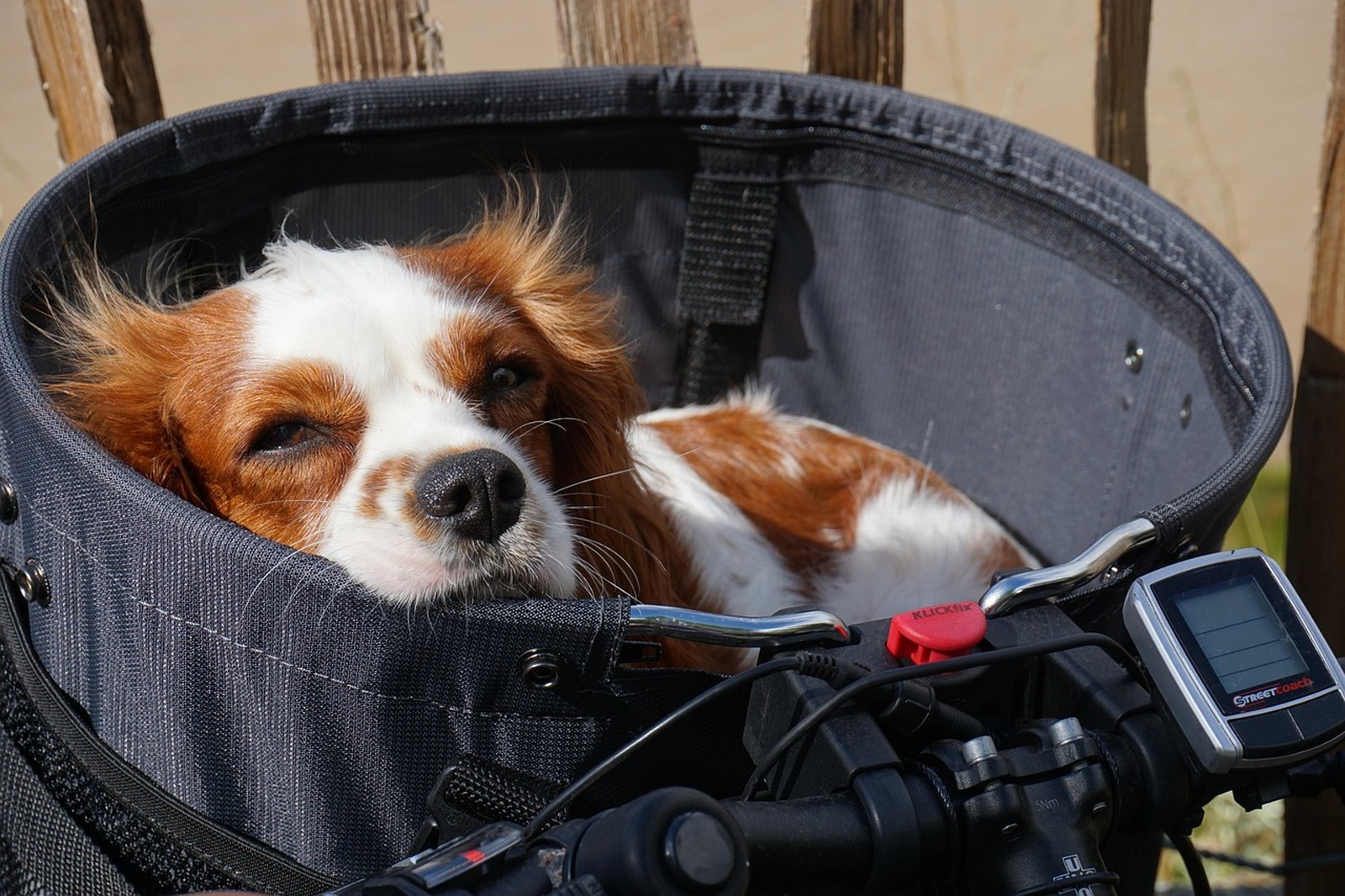
A Cavalier King Charles Spaniel is, for most households, a reassuringly quiet dog. Bred for centuries purely as a close companion, the Cavalier tends to bark the way a friendly neighbour comments: briefly, socially, and then it is over. A knock brings a short announcement and a wagging escort to the door, a strange noise earns a look and perhaps a single bark, and then the dog checks its person's reaction and follows that lead. Sustained, territorial barking is not the breed's style, which is one reason Cavaliers suit flats and close-set homes better than many small breeds.
Greeting Barking Versus Guard Barking
It helps to separate the two things owners lump together. Greeting barking is what a Cavalier mostly does: excitement at arrivals, happiness that something is happening, tail going the whole time. It stops when the visitor is inside and the excitement drains. Guard barking, the repetitive alarm at every passer-by, delivery, and dog in the street, is uncommon in this breed because the Cavalier lacks the suspicious edge that fuels it. If your Cavalier does develop a habit of window watching and commenting on the street, it has usually been learned from opportunity rather than instinct: a favourite chair by the window, long empty hours, and the daily reward of watching the world react.
Judge your own dog against that picture. A few barks at the door and quiet the rest of the day is normal Cavalier behaviour and needs no fixing beyond politeness training. Barking that builds, lasts, and happens mainly when the dog is alone is telling you something else entirely.
The Loneliness Exception
The one situation where a Cavalier reliably becomes vocal is being left. This breed was shaped to be with people almost constantly, and many Cavaliers find long solo hours genuinely hard. A lonely Cavalier may bark, whine, and howl in cycles, pace, follow the departing routine with growing panic, and sometimes toilet indoors or chew door frames. That is anxiety, not naughtiness, and it will not be solved by bark training aimed at the noise. It is solved by changing the alone picture: building up absence gradually in the early months, arranging a sitter, a family visit, or doggy company for long workdays, and leaving calm occupation such as a snuffle activity or a safe chew for the time away.
If you work full days away from home with no cover available, be honest that a Cavalier may be the wrong breed for your current life, however appealing its quiet reputation sounds. The breed is quiet with its people, not necessarily quiet without them.
Polishing the Door Routine
Because a Cavalier wants to please and reads people closely, a calm door routine is quick to teach. Practise with household members knocking: let the dog give its short announcement, call it to you or to its bed, reward the settle, and open the door once the dog is quiet. Keep your own greeting low-key, with no squealing or wrestling at the door, because the dog takes its arousal level from yours. Reward quiet watching through the window too, calling the dog away for a treat before street activity escalates into commentary, so looking out stays a pastime rather than a job.
Sudden change matters here as everywhere: a Cavalier that becomes markedly barkier, clingier, or more restless may be in pain or unwell, and a vet check comes before behaviour work when the change has no obvious trigger.
Sharing companionship cover, walks, and the door practice across the family stops the lonely gaps and the mixed messages that create noise in this gentle breed, and KinsLe Care Teams keeps those Cavalier duties assigned and visibly completed each day.