
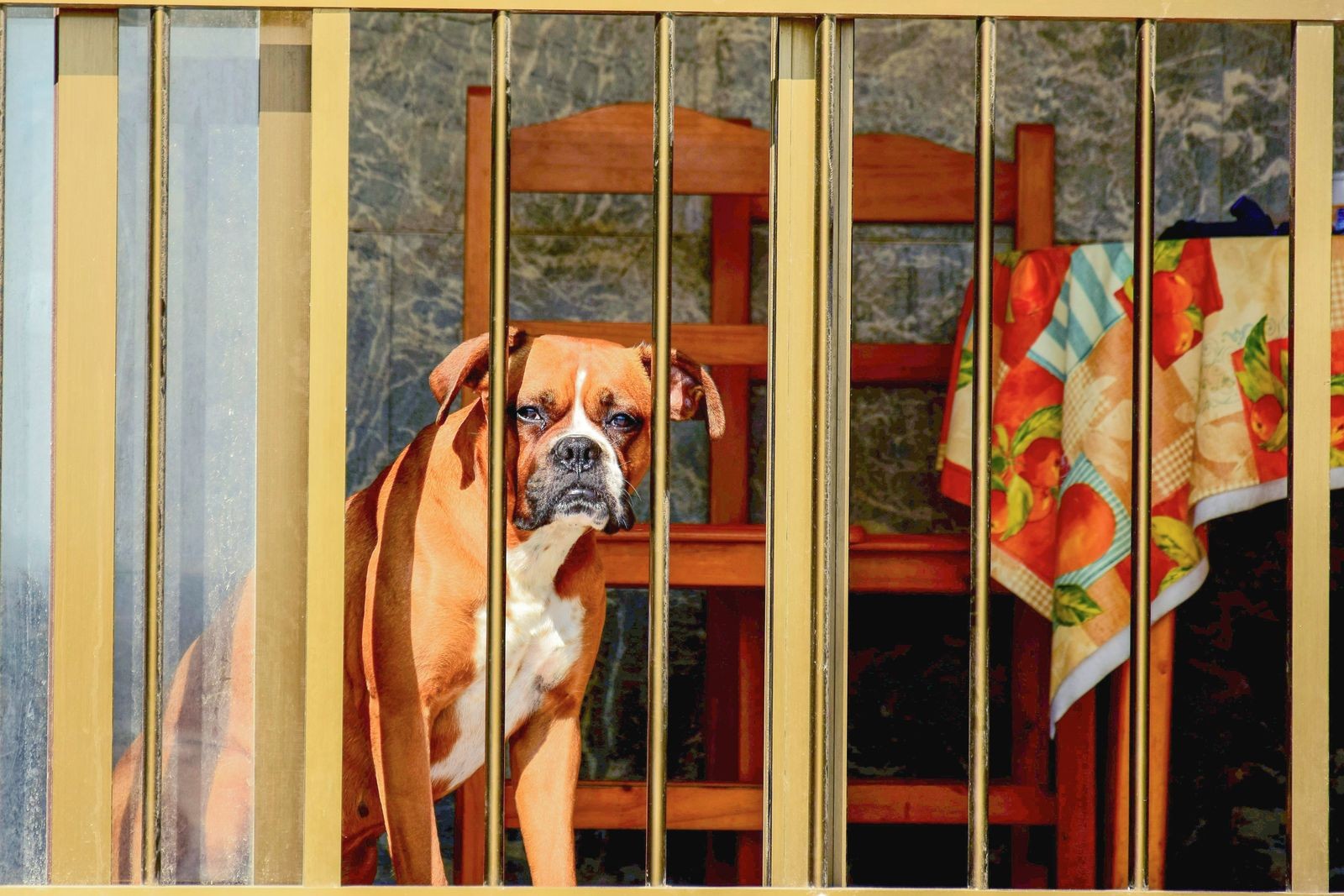
Yes — dogs in the same household genuinely need separate training time, because dogs learn dramatically faster one-on-one, and the confident dog in a pair will happily absorb all the practice, treats, and attention while the shyer one watches from the sidelines. Group sessions have their place for polishing known skills around distractions, but new learning, confidence-building, and your individual bond with each dog all happen solo.
What goes wrong in joint sessions
Watch a typical two-dog training attempt: you cue a sit, the bold dog sits instantly and gets the treat, the thoughtful dog sits a half-second later and gets... the experience of being late. Repeat that fifty times and you've trained one dog to be quicker and the other to disengage. The bold dog may also start body-blocking, stealing rewards mid-delivery, or offering behaviors frantically to outcompete their housemate. Meanwhile the distraction level doubles — each dog is the other's most exciting interruption — so behaviors that look solid solo fall apart, and owners conclude the dogs "know it but won't listen," when really they never learned it cleanly.
What solo sessions build instead
Ten focused minutes alone with you is where a dog can think. The shy dog discovers that offering behaviors pays, without a rival vacuuming up rewards. The bold dog learns patience and precision without an audience to perform against. Solo walks matter just as much: leash skills, confidence on new streets, and calm responses to other dogs all develop at each dog's own pace — and many owners notice their "clingy pair" dog is actually braver alone than they ever guessed, while the "independent" one turns out to love the dedicated attention. Training separately also strengthens each dog's bond with you, which is the foundation under every recall and every emergency.
A rotation that fits real life
You don't need formal hour-long sessions. Try this rhythm:
- Two or three five-to-ten-minute solo sessions per dog per week for new skills
- One solo walk per dog most days, even if it's just around the block, alongside your joint walks
- Rotate who goes first, so the same dog isn't always waiting
- Give the waiting dog a chew or puzzle in another room — waiting calmly is itself a trained skill
- Polish skills together only after each dog performs them solo, in several places
Brief and frequent beats long and rare, especially for puppies and seniors, whose focus windows are short for opposite reasons.
The exception that proves the rule
There is one legitimate joint exercise: training the pair as a unit for real-life moments — waiting together at the door, settling on separate mats while you eat, calm greetings when guests arrive. Teach each piece solo first, then rehearse the duet. If one dog consistently unravels the other, that's diagnostic information about arousal, not stubbornness, and a certified trainer can help you sequence the work.
Staying honest about the rotation
Solo time is the first thing a busy week eats. Kimmy, the built-in AI assistant on KinsLe, can nudge you to rotate which dog gets the solo session each day, with reminders that keep the plan from quietly sliding to "whoever's at the door." Small, steady nudges are how a fair rotation survives real schedules. Kimmy, available inside KinsLe, answers follow-up questions you ask about divvying solo practice fairly between housemate dogs, drawing each reply from the KinsLe Answers library.