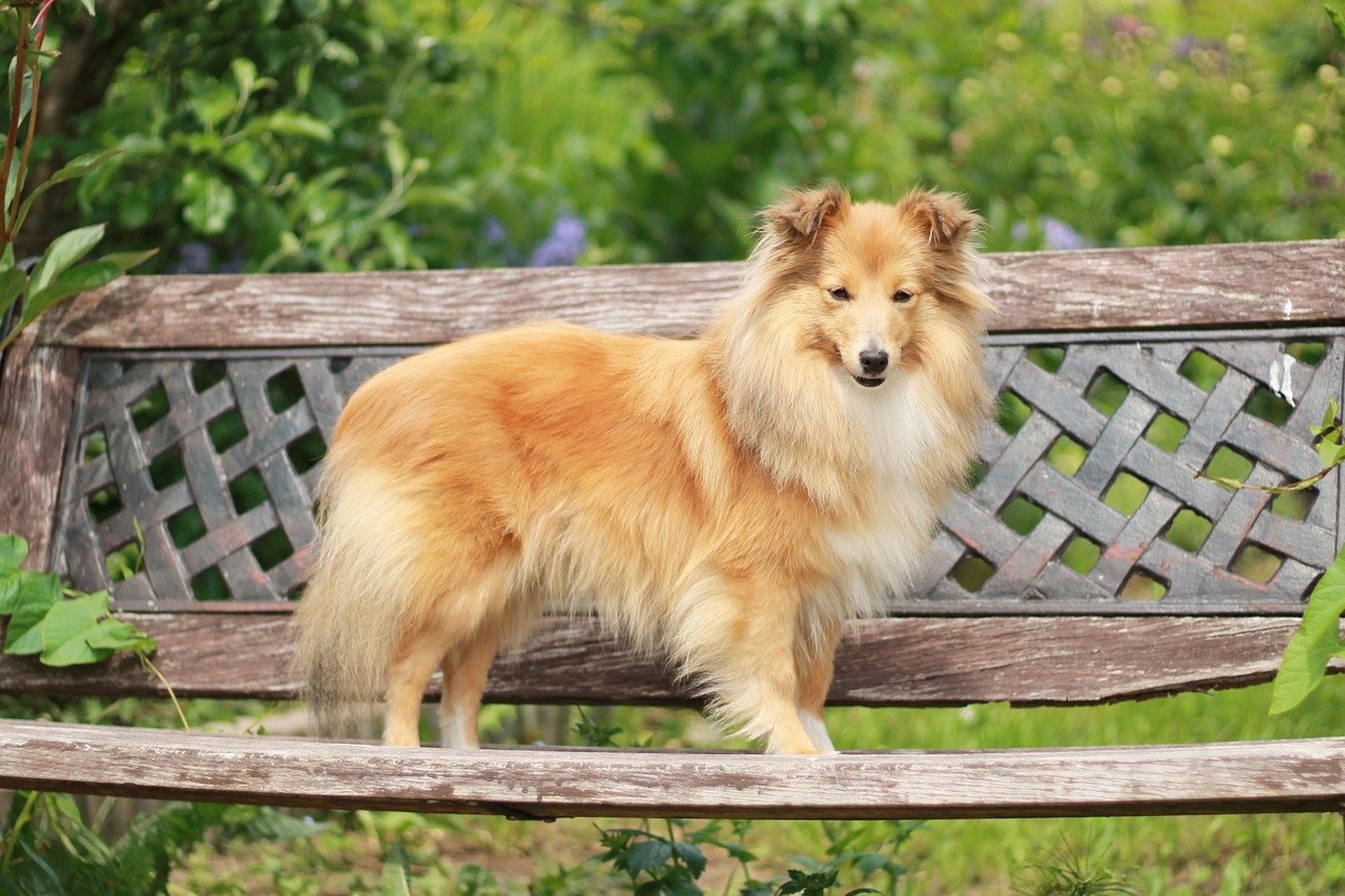
Yes, Shetland Sheepdogs bark a lot, and the volume is part of the breed's original job description. On small farms, a Shetland Sheepdog worked sheep with its voice, using sharp, carrying barks to move the flock and to alert the shepherd to anything out of place. That alert, vocal wiring came indoors with the breed, so a Shetland Sheepdog in a family home barks at movement, visitors, vehicles, and household noises with genuine working enthusiasm.
What sets a Sheltie off
Movement is the classic trigger: people passing the window, squirrels crossing the yard, a bicycle on the street. Sound runs a close second, because Shetland Sheepdogs hear keenly and react to doorbells, delivery trucks, and noises from neighboring homes that you barely register. Excitement is the third trigger, and it is the one owners create by accident, since a Sheltie who barks through greeting time, leash time, and play time learns that barking is how interesting things begin. Noting which trigger drives your dog matters, because each one has a different fix.
Exercise and brain work lower the baseline
A Shetland Sheepdog with a full day barks at real events and settles afterward; an under-exercised one patrols for entertainment. Aim for brisk walks plus work that uses the herding brain: training sessions with new cues, fetch with rules, scent games, and toy play that starts and ends on your signal. Mental work tires this breed as honestly as physical work does. A dog who has run, learned, and problem-solved by evening has far less interest in narrating every sound from the street, and the difference usually shows within a couple of weeks of a fuller routine.
Training the quiet you actually want
Reward quiet directly. When your Shetland Sheepdog notices a trigger and stays silent, or barks twice and stops when asked, pay that moment with praise and a treat so settling becomes the profitable choice. Teach a solid recall away from the window and a settle cue on a mat, practiced first in calm moments so the skills exist during exciting ones. Manage the environment while training builds: close blinds during delivery hours, move the dog's watching post away from the front window, and avoid leaving a vocal dog alone in a yard where every passerby becomes an event.
Puppies, adolescents, and older Shelties
Young Shetland Sheepdogs bark while they learn the household's sounds, and the lessons land best early: name the noise calmly, reward the look back at you, and keep practice sessions to a few minutes. Adolescents test the rules hardest, usually at the window and the door, and consistency matters more than intensity at that age. Senior Shelties sometimes bark more when hearing fades or vision dims, because the world arrives with less warning; a dog whose barking changes sharply in later life, especially alongside confusion or broken sleep, deserves a veterinary check rather than a training plan.
One household plan, written down
A vocal breed exposes every inconsistency in a home. One person laughs at barking, another scolds it, a third feeds the dog to quiet it, and the dog learns only that barking produces attention of some kind. Sit down together and write one plan: who provides the morning exercise, who runs the evening training session, who handles window management during deliveries, and what every person does, identically, when barking starts. Review the plan after two weeks and adjust the duties that are slipping. Through KinsLe, Care Teams holds that written plan as named, assigned duties for the whole household, so a Shetland Sheepdog hears one consistent message about when its voice is welcome.