
Enthusiasm is the escape risk here
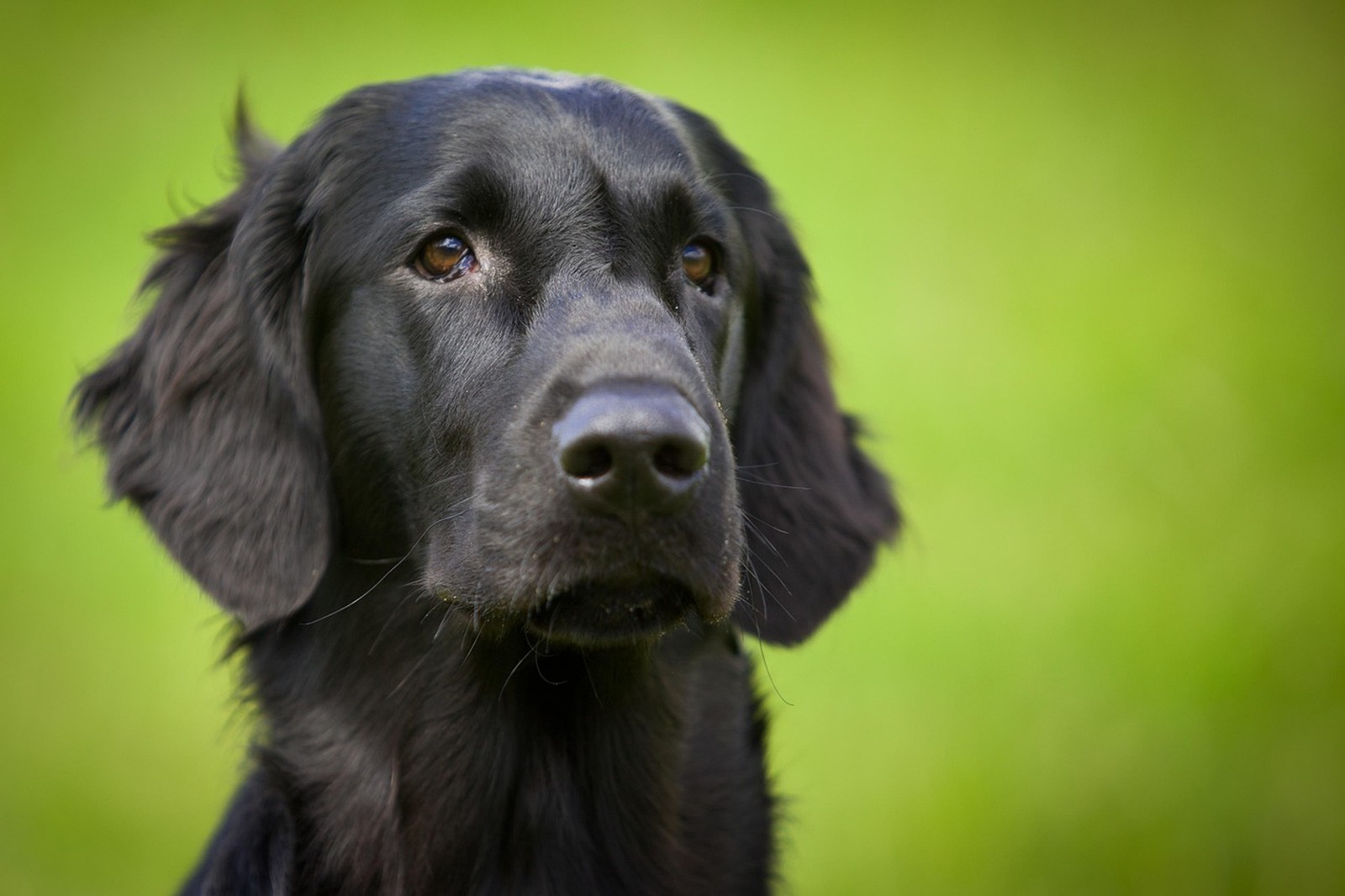
Flat-Coated Retrievers are famous for keeping a puppyish outlook well into adulthood, and that joyful temperament shapes the fencing answer. The risk is rarely a calculated escape. It is the sudden, delighted launch toward a friend across the street, a dog heard behind the next fence, or birds rising from a field beyond the garden. A Flat-Coat in that mood moves fast, covers distance in a few bounds, and is not weighing up road danger on the way.
Because the breed is also strongly drawn to water and to carrying things, an unfenced yard near a pond, stream, or busy lane gives that enthusiasm too many targets. A secure fence lets your retriever be exuberant in the garden, racing, retrieving, and splashing in a paddling pool, without every burst of joy becoming a safety decision you have to make in a split second.
Strength, jumping, and the gate problem
An adult Flat-Coat is a substantial, athletic dog, so judge your fence by force as well as height. Panels that flex, a gate that bows when a dog throws its weight against it in greeting, or a latch that lifts with upward pressure will all be found out by a retriever who greets visitors at the boundary. Reinforce the gate post, choose a latch that needs a deliberate hand action, and teach a calmer gate routine so your dog is not repeatedly practising that full-body slam.
Jumping varies by individual, but a fit Flat-Coat motivated by a squirrel on the fence top can surprise owners who sized the fence for a quieter breed. Keep the area beside the fence clear of raised beds and stored items that shorten the effective height. Under the fence matters too after wet weather, when a dog digging happily in soft earth for the sheer pleasure of it can open a gap without any escape plan at all.
Making the fenced yard work day to day
This breed wants to be with its people, so a fence works best as a shared space rather than a place to leave a dog alone for hours. A Flat-Coat shut out by itself may bark, dig, and work at the boundary out of loneliness, even though the same dog relaxes contentedly in the garden when the family is gardening, playing, or sitting outside too. Short, frequent outdoor time together builds the habit that the yard is home territory, not a waiting room.
Use the secure space to burn off the energy that makes escapes more likely. Retrieving games, scent searches in the grass, and training with a dummy give the breed's working instincts a job inside the boundary. A tired, satisfied Flat-Coat settles by the back door. A restless one inventories the fence for entertainment, and that difference shows up quickly in this breed.
If your Flat-Coat bounds away
Search with the breed's sociability in mind. A loose Flat-Coat often makes for people, other dogs, and water, so check parks, neighbours' gardens where dogs live, and any pond or stream nearby early in your search. Call in an upbeat voice and carry a favourite retrieving item if that is what normally brings your dog running back, because a worried shout can read as a game or as trouble to an excited retriever.
Make sure anyone who meets this friendly dog can contact you without delay, with readable collar identification and current details. Friendly dogs are often taken in quickly by kind strangers, which is good news if they can reach you. For that moment, KinsLe gives Flat-Coated Retriever families its Lost Pet Alert System to notify nearby members while you search.