
The short answer for a Welsh Springer coat
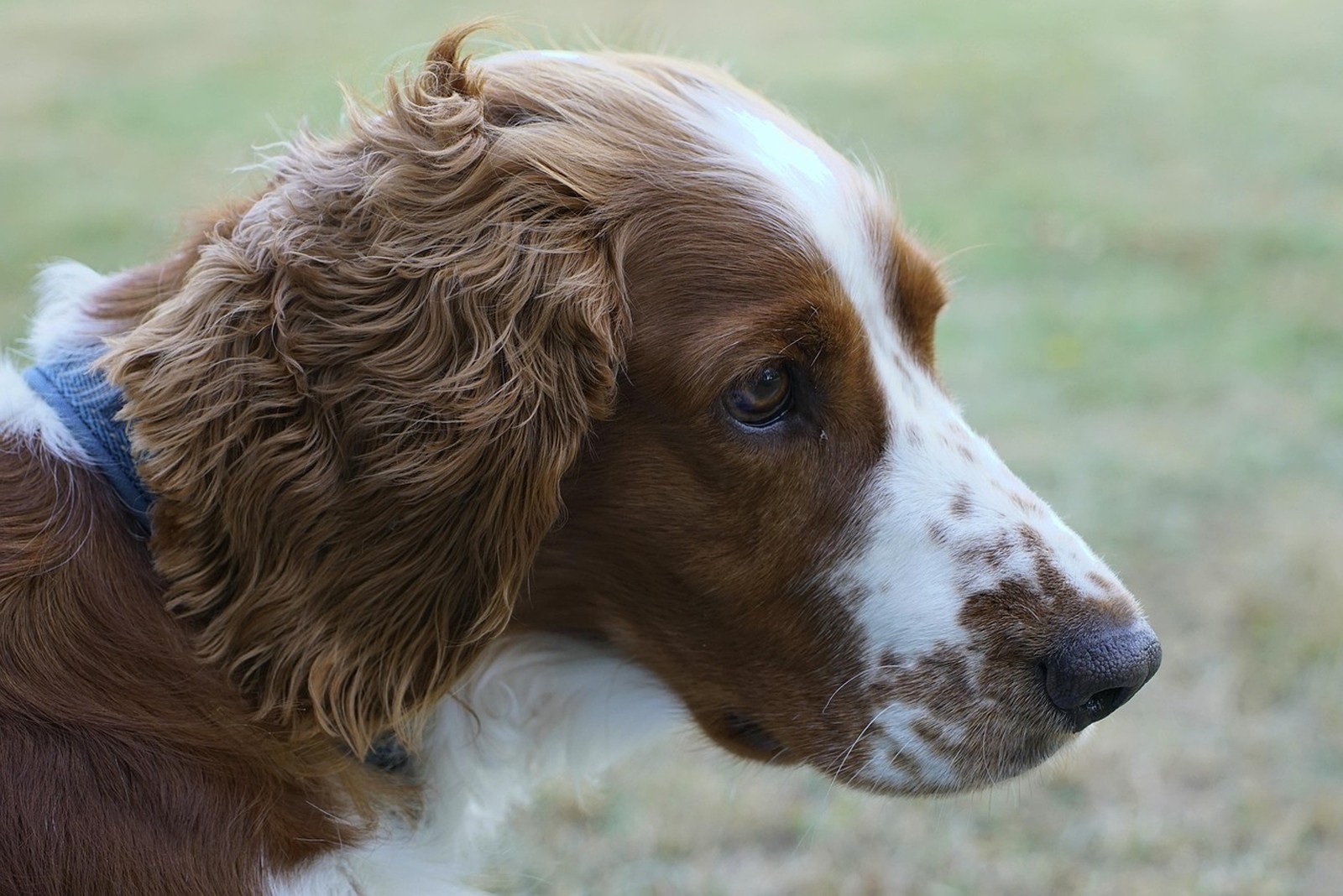
A Welsh Springer Spaniel needs brushing far more than haircuts. This is a medium-length, silky double coat in rich red and white, with softer feathering on the ears, chest, backs of the legs, belly and tail. The body hair protects a working gundog from cold water, brambles and damp weather, and it is not designed to be clipped short the way a poodle-type coat is. Left natural, it lies flat, sheds moderately and stays surprisingly manageable, provided the longer decorated areas are combed before small tangles tighten into mats.
Think of the grooming in two layers: the flat body coat needs loose hair removed, while the feathering is where mud dries, seeds lodge and collar friction works hair into knots.
How often to brush, and where to focus
Two or three thorough brushing sessions a week suit most Welsh Springers, with a quicker pass after a wet or muddy walk. Start with a slicker brush or comb over the body, following the direction the hair grows, then switch your full attention to the feathering. Comb the long ear hair right through to the ends, lift the front legs to reach the armpits, and work along the belly fringe and the backs of the thighs, where tangles form out of sight.
Work in small sections and hold the base of a stubborn tangle while you tease it apart from the tips inward, rather than dragging the comb through and hurting the dog. Puppies should get short, pleasant sessions long before their adult feathering grows in.
The trimming that does help
Tidying is not the same as a haircut, and a little of it makes the brushing easier. Straggly ends on the feathering can be levelled so they stop trailing in mud. Hair growing between the paw pads can be trimmed flush so the dog grips floors and stops collecting grit and ice. The hair inside the ear flap is often thinned or tidied so air moves better around the ear canal, and the fringe around the feet can be shaped into a neat, natural foot.
What to avoid is taking clippers over the whole body. A clipped spaniel coat often grows back softer, thicker and more prone to tangling, and it loses the sleek, weather-shedding quality that makes the natural coat easy.
Ears, bathing and the rest of the routine
Those long, pendulous, heavily feathered ears deserve a weekly look. Spaniel ears restrict airflow, and Welsh Springers that swim or plunge through wet cover can carry moisture home in the feathering. Lift each ear, check for redness, dark wax or a sour smell, and dry the inner flap after swimming or a bath. A dog that starts shaking its head repeatedly, scratching one ear or resenting it being touched should be seen by a veterinarian, since those signs in this breed are worth checking promptly rather than treating at home.
Bathing is an as-needed job rather than a fixed appointment — after mud, fox-mess rolling or a swim in stagnant water, and otherwise only every month or two so the coat oils are not stripped. Nails need trimming every few weeks, sooner if you hear clicking on hard floors, and teeth benefit from regular brushing like any breed.
Keeping a silky coat on schedule
The Welsh Springer routine fails most often not through difficulty but through drift: two missed weeks of feathering care can turn soft tangles behind the ears into solid mats that have to be clipped out. Short, frequent sessions beat occasional marathon comb-outs for both the coat and the dog's patience. Note which areas mat fastest on your individual dog, because one Welshie knots behind the ears while another knots in the armpits, and aim your weekday brush at that dog's map. For a household sharing the work, KinsLe's Care Teams can hold this Welsh Springer Spaniel's own brushing, ear-check and nail-trim duties in one list, so the feathering never waits on one person's memory.