
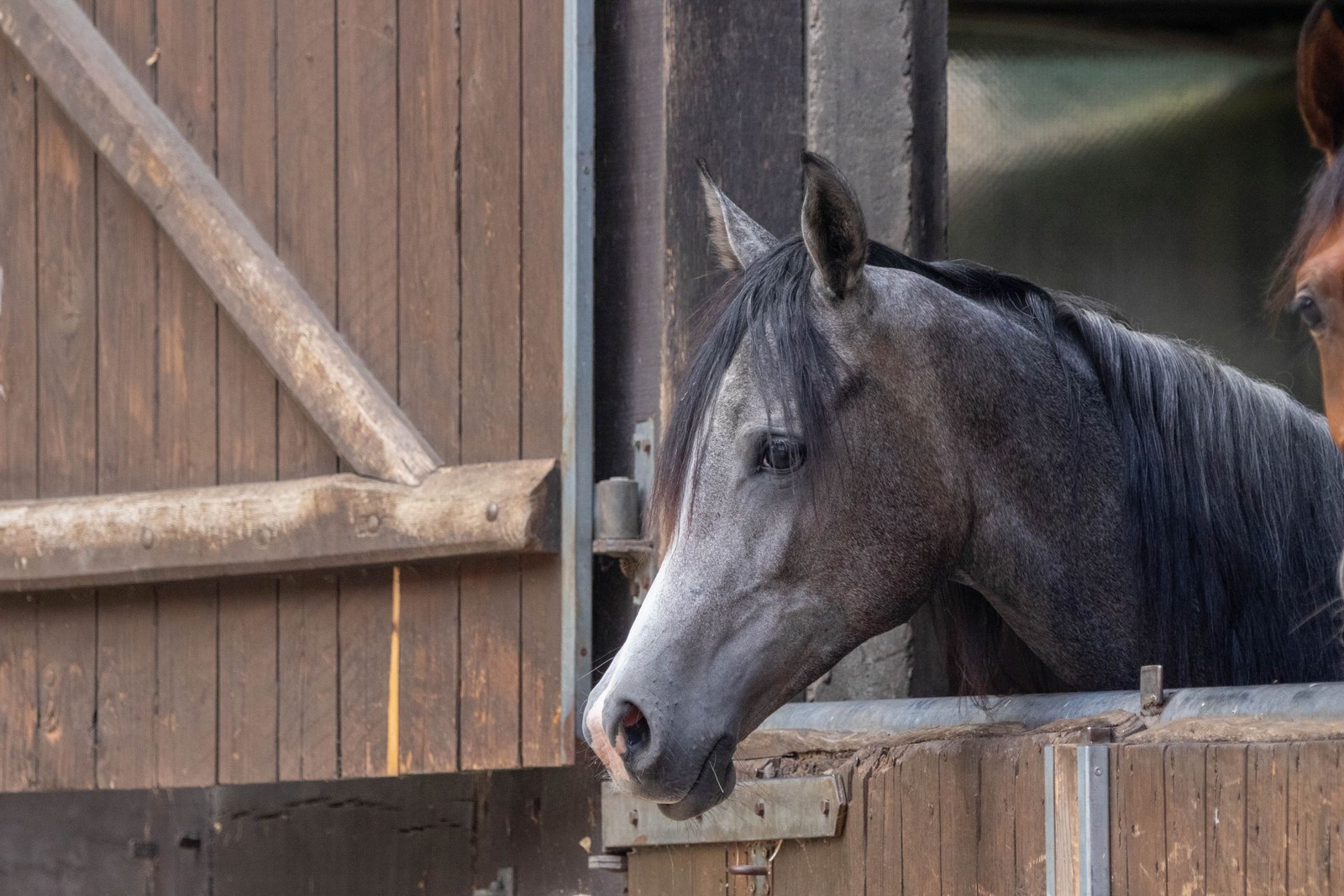
No — most horses do not need grain. Many easy keepers in light work thrive on good-quality forage, topped up with a concentrated ration balancer, and never see a scoop of grain in their lives. Grain is a calorie tool for horses whose energy needs outrun what forage alone can supply, not a default part of the diet.
When hay alone is plenty
If your horse holds his weight, has steady energy, and shines on forage, you are already doing it right. Air ferns — the classic easy-keeping Morgan, Quarter Horse, or draft cross — often gain weight on hay alone, and adding grain just makes them fat and fizzy. For these horses, the correct supplement is a ration balancer: a concentrated source of vitamins, minerals, and amino acids without the calories of a full grain ration. It fills the nutritional gaps in hay without the downsides of starch.
When grain earns its place
Some horses genuinely need more calories than forage can deliver. Horses in moderate to heavy work, broodmares in late pregnancy or lactation, growing youngsters, seniors with worn teeth, and hard keepers like many Thoroughbreds may all need concentrated energy. The test is the body: if forage plus a balancer is not holding condition after you have ruled out dental and parasite issues, grain is a reasonable next step — introduced slowly, measured by weight not volume.
The risks of grain for grain's sake
Starch is the thing to respect. Large grain meals overwhelm the small intestine, spill undigested starch into the hindgut, and can trigger colic, laminitis, or a horse that is unrideably hot. That is why the rule is small meals, fed consistently, and never more than about five pounds of concentrate per feeding for an average horse. And "grain" covers a spectrum — plain oats are gentler than sweet feed loaded with molasses, and modern low-starch feeds exist for horses that need calories without the sugar spike.
Safety notes
Never feed cattle feed to horses — some contain ionophores that are lethal to equines. Store all feed in sealed containers away from horses; a horse that breaks into the feed room can gorge himself into a life-threatening situation. Any significant feed change should be phased in over seven to ten days, and horses with metabolic conditions should have grain decisions made with their veterinarian.
Revisiting the grain question as seasons change
Workload, pasture and body condition all move with the seasons, so the grain decision deserves a fresh look each time they change. When you revisit it, put a follow-up question to KinsLe's Kimmy; she answers using the KinsLe Answers library.