
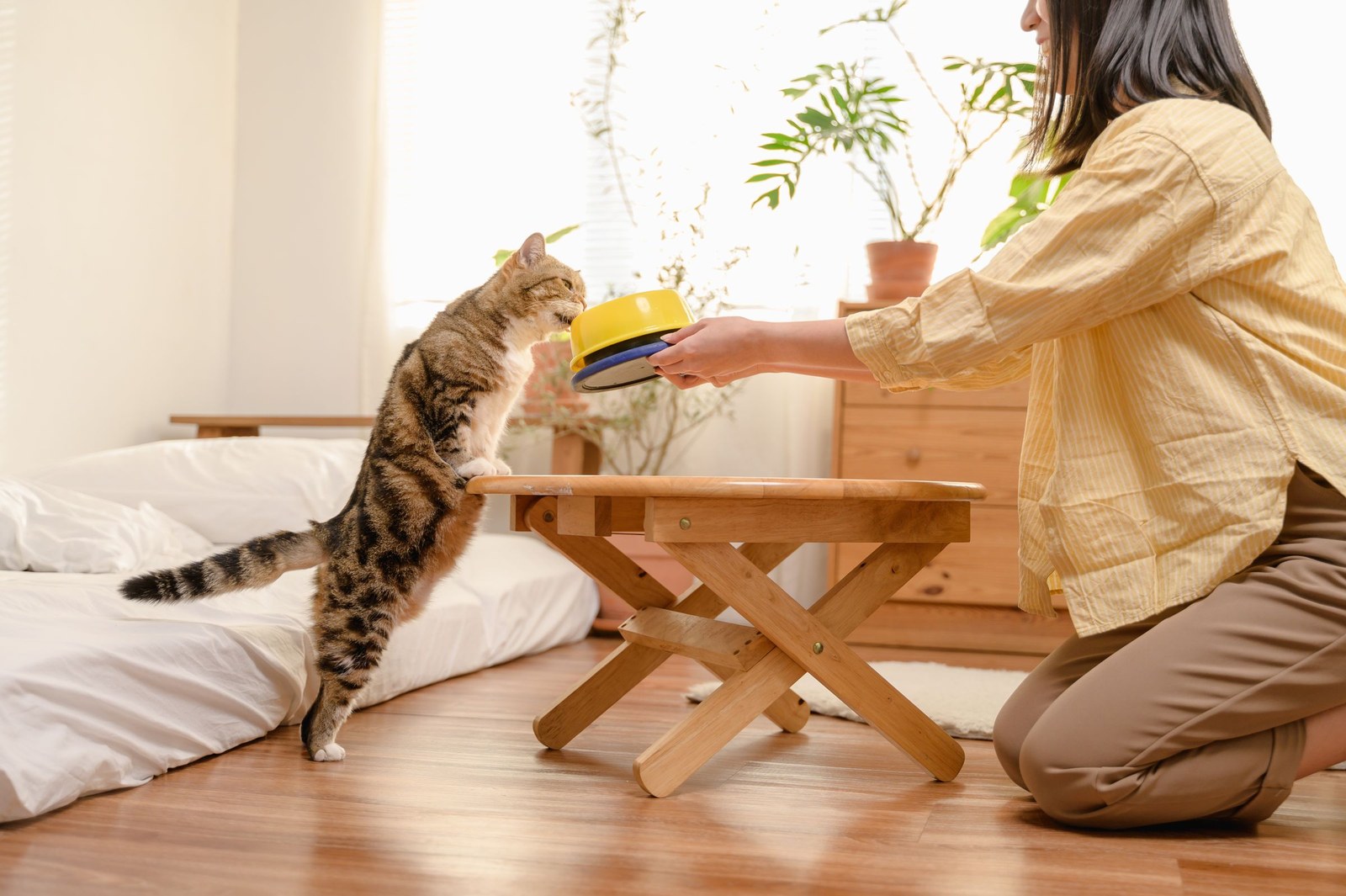
You can help your cat's dry, flaky skin at home by brushing gently and regularly to spread her natural oils, keeping fresh water always within reach, and adding humidity to dry, heated rooms — while deliberately not bathing her more, since extra baths strip oils and usually make flakes worse. Think of home care as supporting the skin's own system, steadily, for a few weeks, and treating anything that does not improve as a veterinarian conversation.
Brushing: the Oil-Distribution System
Your cat's skin produces natural oils that condition the coat, but they only travel along the fur when something moves them — normally her tongue, supplemented by your brush. Gentle brushing a few times a week lifts loose flakes and dead fur out, spreads those oils from skin to coat, and gives dull fur back some shine. Use a soft brush, work in the direction the fur grows, and keep it pleasant; a cat who enjoys brushing gets brushed often, and frequency is where the benefit lives. For long-haired cats, this same routine clears the undercoat where flakes love to hide.
Water In, Humidity Around
Hydration shows in skin. Keep fresh water available in a clean bowl, refresh it daily, and notice if your cat prefers a particular spot or a running-water fountain — many cats drink more from moving water, and accommodating the preference is easy. During months when heating or air conditioning runs constantly, a humidifier in the room where your cat sleeps can make a real difference to both her skin and your own. You are aiming for comfortable, not tropical.
What Not to Do
Good intentions cause most setbacks here:
- Do not bathe more often to 'wash the flakes away' — it dries the coat further and restarts the cycle
- Do not apply human moisturizers, oils, or dandruff shampoos — cats lick products off their coats, and what is safe on your skin is not automatically safe in her stomach
- Do not start supplements or food changes on a guess without mentioning them to your veterinarian, especially if she has other health conditions or medications
Adequate, ordinary nutrition from her regular diet supports skin health; dramatic dietary experiments are a vet-guided topic, not a home experiment.
Know When Home Care Has Done Its Part
Give sensible home care a fair trial — a few weeks of consistent brushing, water, and humidity. Book a veterinarian visit if flakes are heavy or spreading, or if you see itching, hair loss, redness, sores, odor, or changes in appetite, weight, or energy alongside them. Persistent flaking can be the visible tip of a skin or general health issue, and your veterinarian is the person who can look properly. You are not failing at home care by going; you are completing it.
Keeping the Routine Alive
The plan fails the usual way — good for ten days, forgotten by week three. KinsLe's built-in AI assistant, Kinny, sends nudges that help you keep up the brushing routine supporting a healthier coat, so the habit survives busy weeks and you can honestly tell your veterinarian how consistent you have been. Small care, repeated, is what dry skin actually responds to. Kinny in KinsLe can take follow-up questions about brushing frequency, humidity, or when flakes warrant a vet visit, with replies drawn from the KinsLe Answers library.