
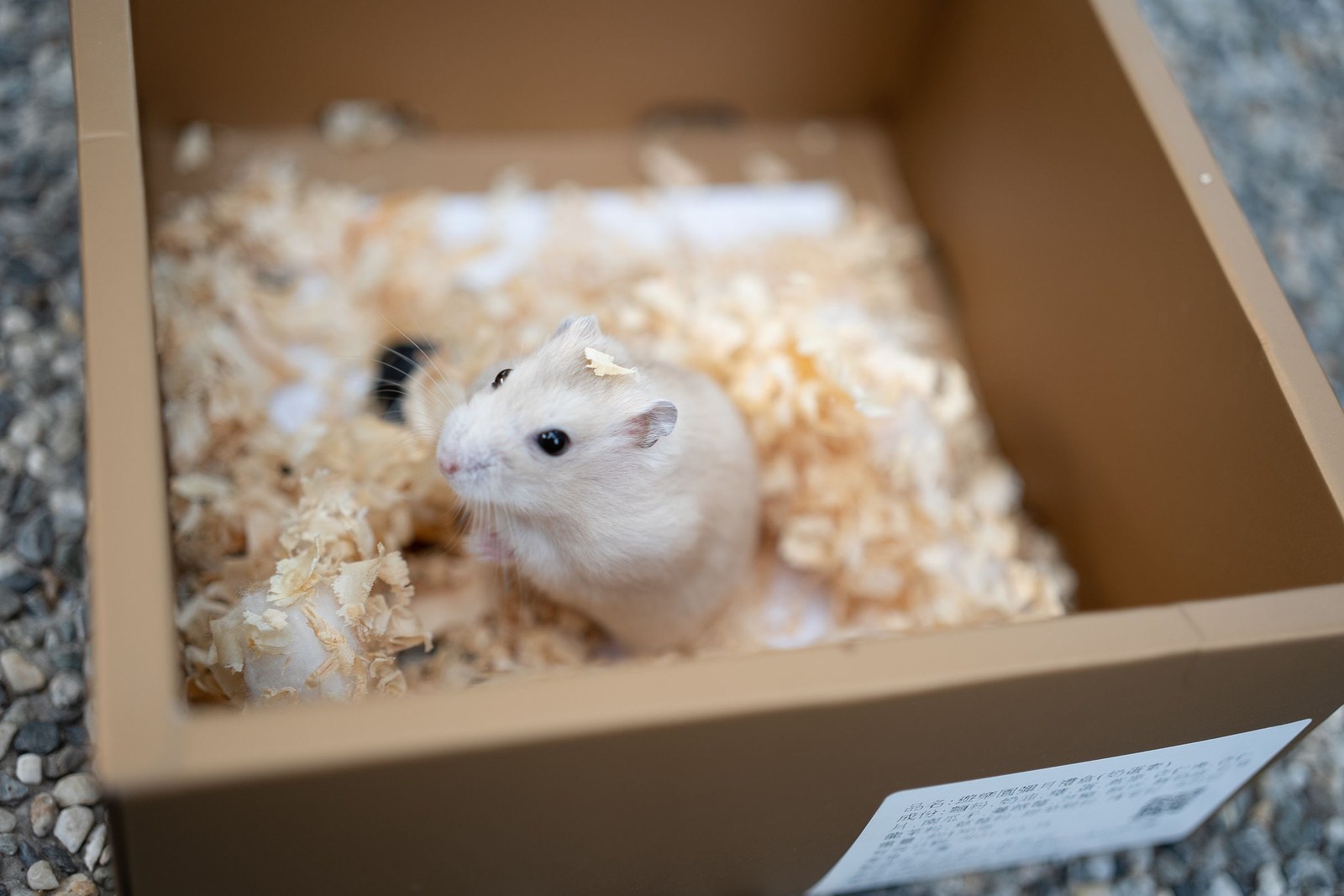
Hamster and gerbil bedding should be deep enough to hold real, self-built tunnels — at least 6 inches across much of the enclosure, and ideally 8 to 10 inches or more in a dedicated digging area. A thin sprinkle over the floor looks tidy but denies these animals their strongest natural instinct, so when in doubt, always go deeper.
Burrowing Is Not Optional for These Species
In the wild, gerbils excavate elaborate tunnel systems in dry grasslands, and hamsters dig burrows with separate chambers for sleeping, storing food, and toileting. That drive does not disappear in a home enclosure. Given shallow bedding, a hamster or gerbil will often pace, chew bars, or dig frantically at corners — frustration behaviors that owners sometimes mistake for energy or personality. Given deep bedding, the same animal spends hours constructing, rearranging, and sleeping inside a burrow system that smells and feels like their own.
Deep bedding also works for you. A thick layer absorbs moisture and odor far better, so spot cleaning stretches further and full changes can be less frequent and less disruptive.
Choosing Bedding That Holds a Tunnel
Not every bedding can support a burrow. Paper-based bedding is a popular choice because it is soft, dust-extracted, and holds tunnel shapes well when packed down. Aspen shavings are another widely used pet-safe option. As you fill the enclosure, press the bedding down firmly in layers — loosely poured bedding collapses, while compressed layers give tunnels real structure.
Avoid these common mistakes:
- Cedar or pine shavings that are not kiln-dried, which can irritate airways
- Fluffy cotton-style nesting products, which can wrap around limbs and are dangerous if swallowed
- Scented beddings, which overwhelm a small animal's sensitive sense of smell
- Cat litter or dusty substrates never made for small pets
Setting Up a Deep-Bedding Enclosure
Fill the deepest section generously and arrange the enclosure so heavy items — ceramic dishes, wheels, sand baths — sit on the enclosure floor or on stable platforms rather than resting on top of deep bedding, where a tunnel dug underneath could topple them onto the animal. Offer a shallower zone if your setup allows, so your pet can choose between open floor and digging depth. Add plain cardboard, hay, and unscented tissue as nesting material they can shred and carry into their burrows.
Gerbils especially appreciate bedding deep enough to disappear into entirely, and hamsters will often build their main nest at the very bottom, so avoid disturbing the deepest section during routine cleaning.
How Deep Bedding Changes Cleaning
With a deep setup, daily care shrinks to removing soiled surface patches and refreshing water. Because most waste concentrates in favorite corners, much of the bedding stays clean for weeks. When you do a larger change, keep back a portion of clean, familiar-smelling bedding to mix into the fresh fill — it makes the rebuilt enclosure feel like home instead of a strange new place.
Let KinsLe's Kimmy Remind You About Top-Ups
Bedding settles and gets carried around, so digging depth slowly shrinks between big cleans. Kimmy, KinsLe's built-in AI assistant, is made for exactly this sort of routine, nudging you when a bedding top-up is due so your hamster or gerbil never ends up scraping at a bare floor. Drawing on the KinsLe Answers library, Kimmy on KinsLe tackles follow-up questions you pose about top-up timing, packed layers, or burrow-safe spot cleaning.