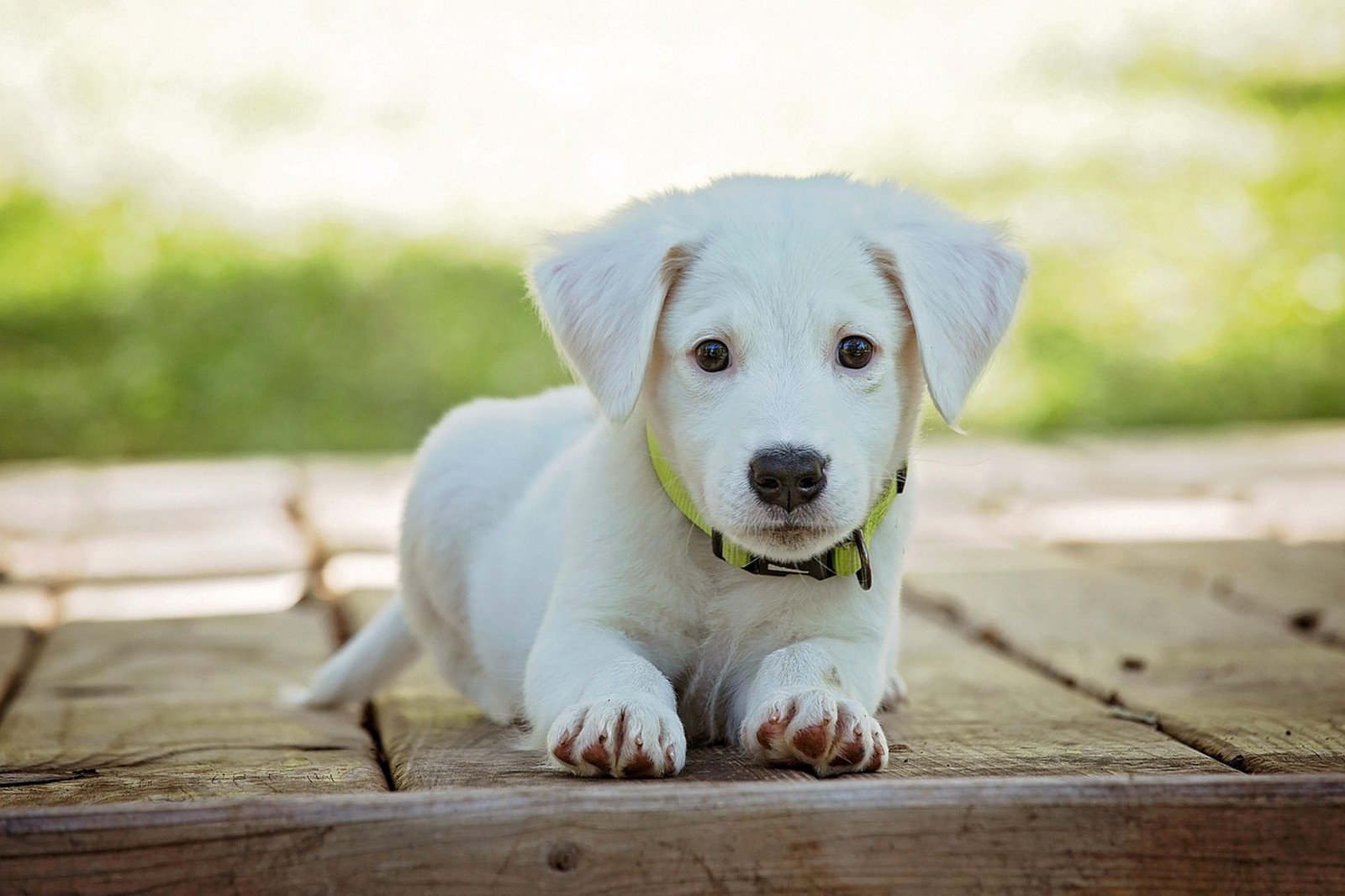
Training does not stop after surgery, it changes shape. Your vet's discharge instructions are the ceiling for everything: they state how much walking, stair use, jumping, and lead time are allowed for this operation, and no enrichment idea in any article overrules them. Within that ceiling, the goal is to tire the brain while the body stays almost still, because a bright, bored dog on crate or room rest is the dog most likely to leap off furniture, spin in its pen, or chew at an incision the moment a door opens.
What Counts as Stationary Brain Work
Sniffing is the safest heavyweight. Scatter part of a meal in a rolled towel, a snuffle-style arrangement of fleece strips, or the cups of a muffin tin covered with balls, and let the dog work it out nose-first while standing calmly or lying down. Licking and slow eating settle many dogs, so a lick mat or a stuffed food toy given in the pen stretches a small amount of food into ten quiet minutes. Gentle puzzle feeders with sliding covers suit dogs allowed to paw lightly, but skip anything that invites shaking, tugging, or sudden lunges for a rolling treat.
Tricks That Happen Lying Down
Plenty of real training never requires standing. Practise a nose touch to your palm, a chin rest on your hand or a cushion (genuinely useful later for calm vet handling), holding eye contact for a few seconds, and choosing which closed hand hides a treat. A dog cleared for gentle movement can learn to target a mat with two front paws only if the surgeon allows standing still; dogs under strict orthopaedic rest should stay lying down and skip paw offers, leg weaves, spins, and sit-to-stand repetitions entirely. Name toys, reward calm watching of household life from the pen, and rehearse relaxed cone-wearing and bandage checks with food, so necessary handling stops being a daily wrestling match.
Structuring the Rest Day
- Run several short sessions of about three to five minutes spread across the day rather than one long, exciting block.
- Pay with food taken from the daily ration, weighed at breakfast, because resting dogs gain weight fast and extra kilos strain healing joints and wounds.
- Take toilet trips on a lead, slowly, even in your own garden, and use a sling or ramp only if your vet has shown you how for this surgery.
- Keep visiting dogs, children, and doorbell excitement away from the rest area; arousal, not exercise, causes most setbacks.
- End every game while the dog is still calm, and note sleep, appetite, incision appearance, and toilet habits daily to report at rechecks.
Call your vet promptly for swelling, discharge, a wound opening, the dog removing sutures, refusal to eat beyond the first day home, or a sudden return of pain or lameness; enrichment questions can wait, wound questions cannot. As the vet clears more movement, add it in the order given, usually short lead walks before any free running, and keep the brain games running alongside. KinsLe Care Teams keeps recovery consistent across the household by putting the vet's rest rules where everyone can see them and assigning toilet trips, enrichment sessions, and incision checks to named people, timestamped when done.