
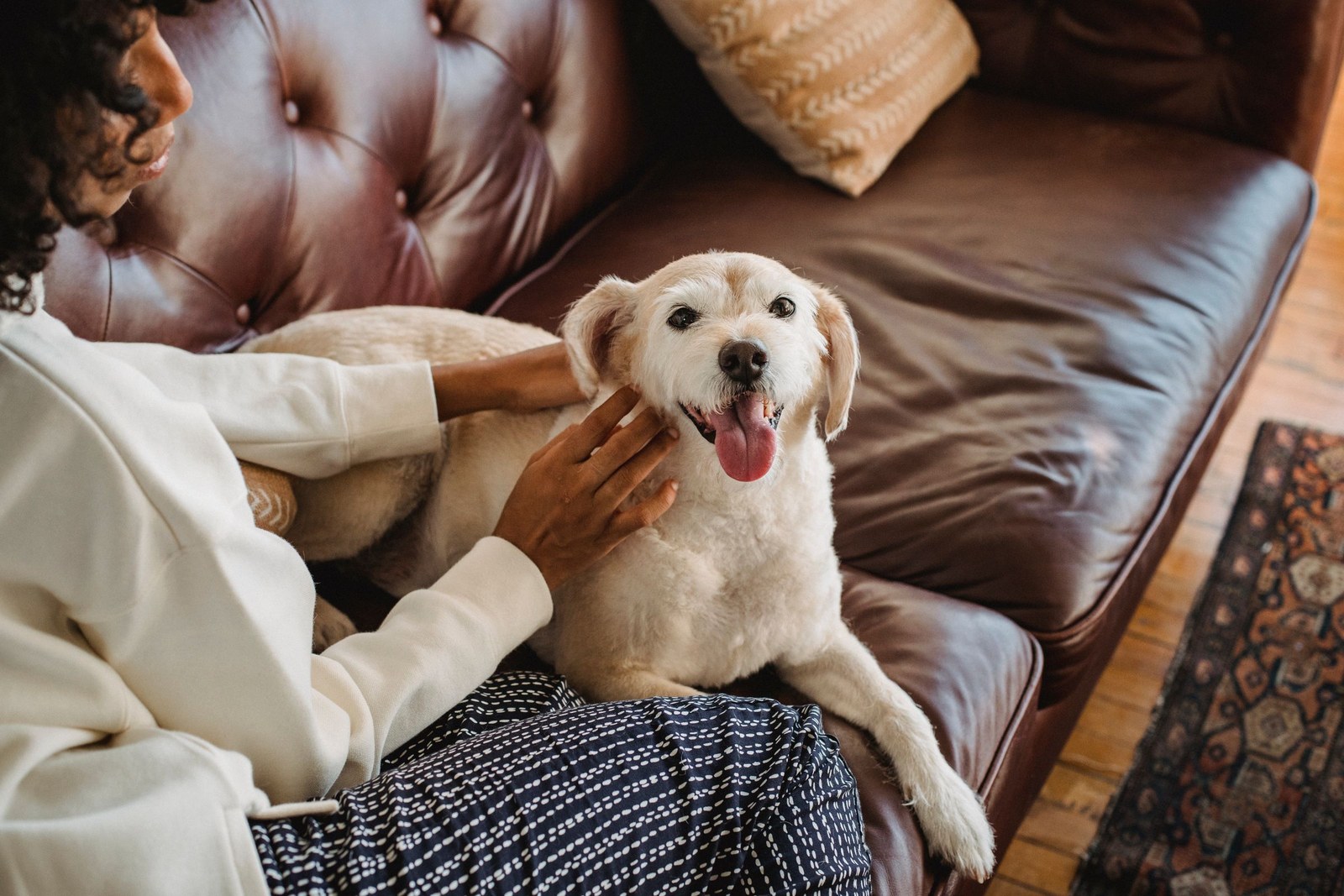
Yes, letting go of a foster dog you have fallen for is genuinely hard — and the fact that it hurts usually means you did the job well. A dog who leaves your home trusting people, sleeping soundly, and walking nicely on a leash leaves that way because you loved them properly. Experienced fosters often say the goal was never to keep every dog, but to be the bridge between the life that dog had and the life they were meant to have.
Reframe what "goodbye" means
From the very first day, remind yourself of the role: you are the bridge, not the destination. It sounds like a small mental trick, but it changes how the whole placement feels. When an adopter is approved, try to picture the scene from the dog's side — a family who chose them specifically, a couch with their name on it, a routine built entirely around them. Your sadness and their good fortune exist at the same time, and one does not cancel the other.
Many fosters also find it helps to put a number on it. The kennel space, couch space, and walking hours your foster frees up become available to the next dog — often one sitting in a shelter with an urgent deadline. Letting go of one dog you love is literally what makes room to save another.
Make the handover easier on yourself
A few small rituals make adoption day kinder:
- Write the adopters a short note about the dog's quirks — favorite treats, the exact spot behind the ear, how they like to be settled at night.
- Pack a familiar blanket or toy so something that smells like your home travels with them.
- Ask if you can follow the adopter on social media or receive occasional photo updates; most adopters are delighted to share.
- Plan something for yourself that evening. An empty, quiet house is the hardest part, and a walk with a friend beats sitting in it alone.
Crying in the car afterward is normal, by the way. So is feeling fine at the handover and wobbly three days later when you find a stray toy under the sofa.
Give yourself a break before the next one
Some fosters take another dog the same week — momentum helps them. Others need a few weeks to reset, deep-clean the crate, and just be a household again. Neither approach is more committed than the other. Pay attention to the signs of compassion fatigue: dreading the rescue's messages, snapping at family, or feeling numb instead of sad. Those are signals to pause, not to push through, and good rescues would rather have you back rested in two months than burned out forever.
And yes — sometimes the dog stays
Every foster knows the phrase "foster fail," said with total affection. Sometimes the dog who arrives as a temporary guest turns out to be the dog your household was missing all along, and adopting them is a wonderful outcome — not a failure of discipline. The only honest test is whether adopting this dog still leaves you able to help the next one, whether by fostering again later, volunteering, or transporting.
When the profile moves to the new home
One practical kindness on handover day: the dog's history should travel with them. Vet records, vaccine dates, quirks, feeding notes — adopters start far ahead when none of that is lost. That is exactly what KinsLe's Transferrable Profiles are built for: when a dog is adopted, their profile and records move cleanly to the new owner, so the training notes, medical history, and little details you gathered during fostering arrive intact instead of starting from a blank page. Transferrable Profiles on KinsLe carry that handover forward, giving adopters the complete record you built, including vaccine dates, feeding notes, and favorite settling tricks.